Toggle Categories
Get Instant Support
Choose your preferred way to connect with our team
Response Time
Within 8 hours on working days, 24 hours on holidays
Sample Preparation
KinTek sample preparation equipment includes sample crushing,milling, as while as while sieving equipment, hydraulic press equipment includes manual press, electric press, isostatic press, hot press and press filtering machine.

Isostatic Press
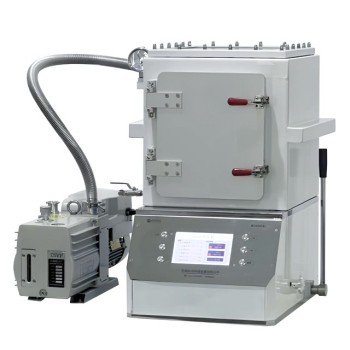
Vacuum Heated Lab Press

Automatic Heated Lab Press

Electric Lab Press

Customer-made Press

Manual Heated Lab Press

Manual Lab Press
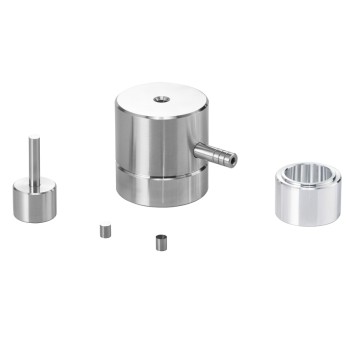
Molds & Accessories
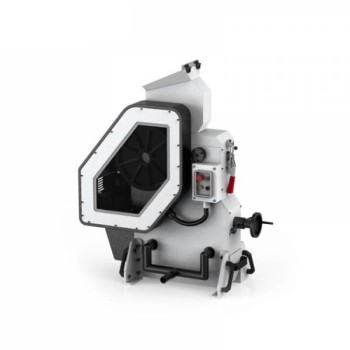
Crushing & Grinding Machine
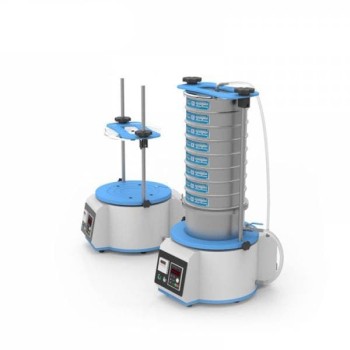
Sieving Machine

Milling Equipment
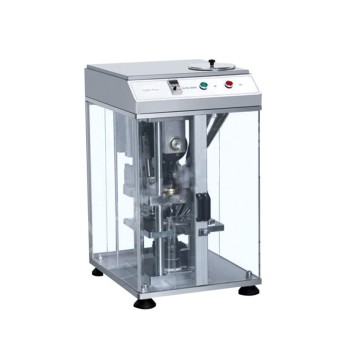
Tablet punching machine
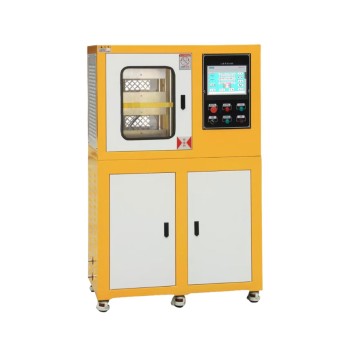
Rubber processing machine
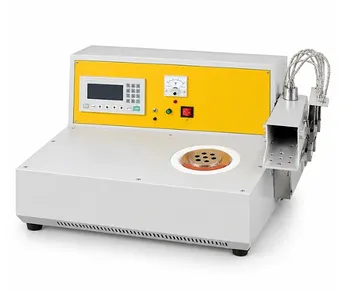
Coal Quality Analyzers

Assay Equipment Accessories & Consumables

Mounting Machine
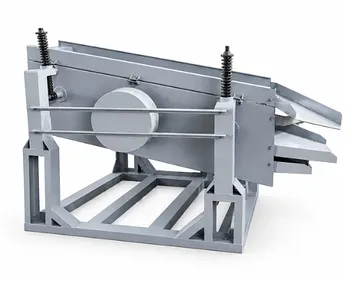
Coal, Coke & Ore Physical Testing

Rod Mill
Thermal Equipment
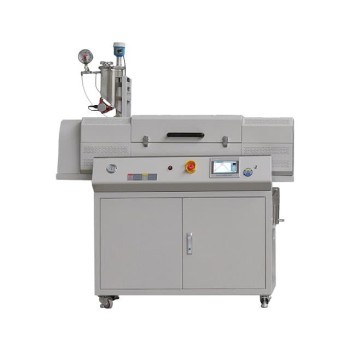
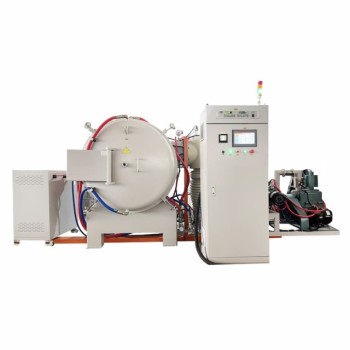
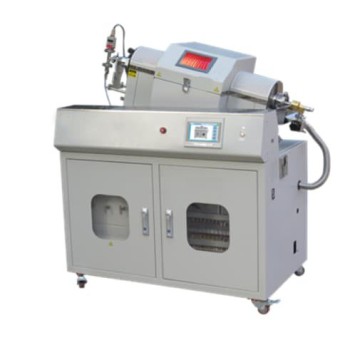
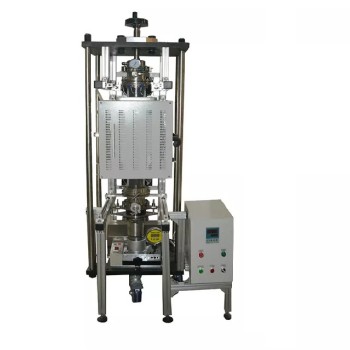
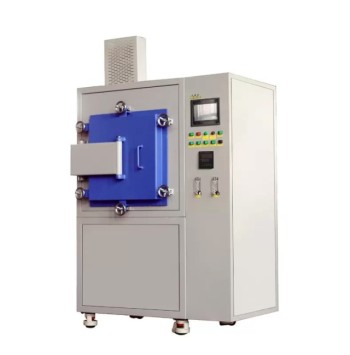
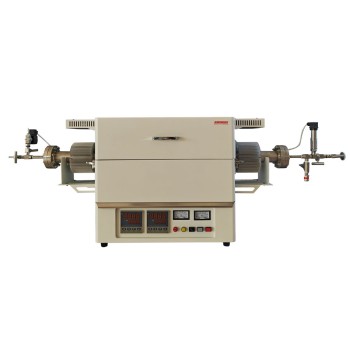
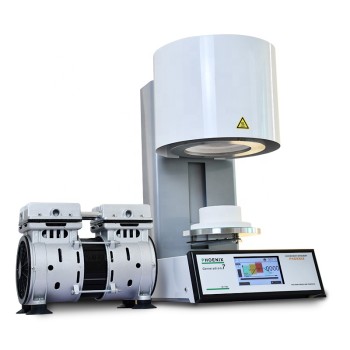
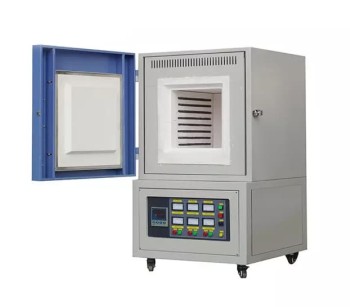
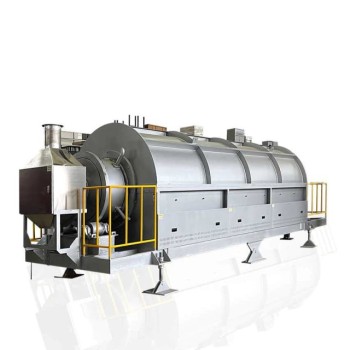
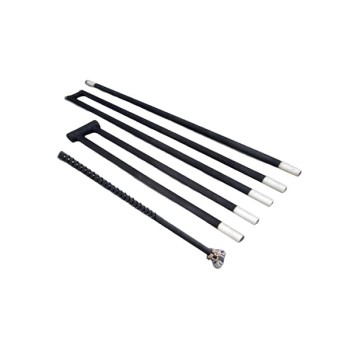
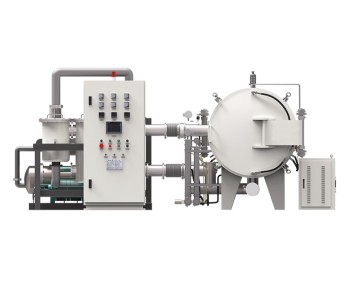
KinTek supplies a broad range of high-temperature furnaces, including lab, pilot production, and industrial production furnaces, with a temperature range of up to 3000 ℃. One of KinTek's advantages is the ability to create custom-made furnaces tailored to specific functions, such as different heating methods and speeds, extra high and dynamic vacuums, controlled atmospheres and gas circuits, automated mechanical structures, and software and hardware development.

Lab Consumables & Materials
KinTek offers a range of lab consumables and materials, including evaporation materials, targets, metals, electrochemistry parts, as well as powders, pellets, wires, strips, foils, plates, and more.



Bio-Chem Equipment
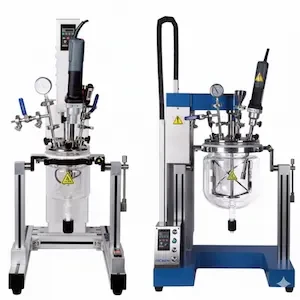
KinTek bio-chem equipment comprises rotary evaporators, glass and stainless steel reactors, distillation systems, circulating heaters and chillers, as well as vacuum equipment.






Products

Vacuum Cold Mounting Machine for Sample Preparation
Item Number: KT-CXQ

Laboratory Jar Ball Mill with Alumina Zirconia Grinding Jar and Balls
Item Number: AG-2









Laboratory Rotary Vane Vacuum Pump for Lab Use
Item Number: VRD


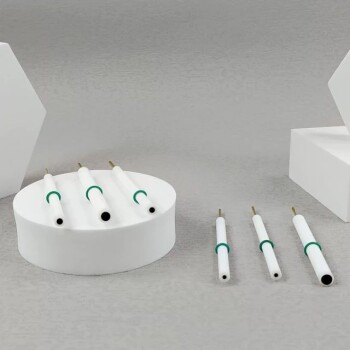

Aluminized Ceramic Evaporation Boat for Thin Film Deposition
Item Number: KME-DL
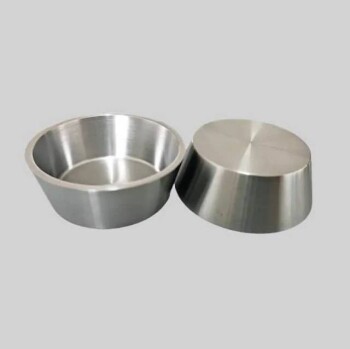
E Beam Crucibles Electron Gun Beam Crucible for Evaporation
Item Number: KES01

Hexagonal Boron Nitride HBN Ceramic Ring
Item Number: KM-D6

Portable High Pressure Laboratory Autoclave Steam Sterilizer for Lab Use
Item Number: KT-P02

Laboratory Sterilizer Lab Autoclave Pulse Vacuum Lifting Sterilizer
Item Number: KT-Q02

Laboratory Horizontal Autoclave Steam Sterilizer Lab Microcomputer Sterilizer
Item Number: KT-C06
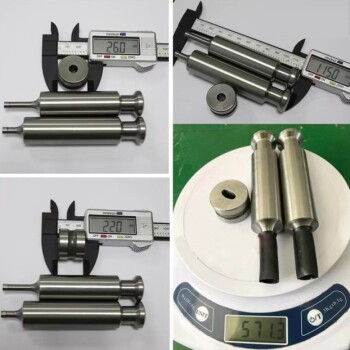
Multi-Punch Rotary Tablet Press Mold Ring for Rotating Oval and Square Molds
Item Number: TPM-06

Lab Electrochemical Workstation Potentiostat for Laboratory Use
Item Number: KT-CHIP

Round Bidirectional Press Mold for Lab
Item Number: PMSY


Laboratory Ball Mill Jar Mill with Metal Alloy Grinding Jar and Balls
Item Number: GJ-1
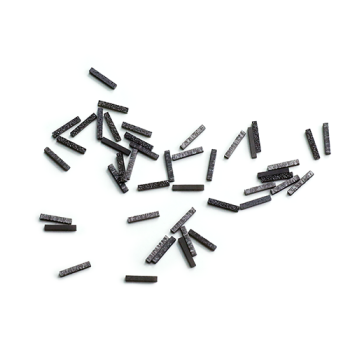
CVD Diamond Dressing Tools for Precision Applications
Item Number: cvdm-01
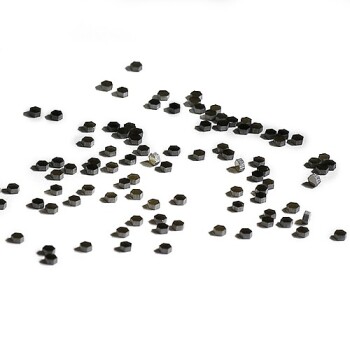
CVD Diamond Wire Drawing Die Blanks for Precision Applications
Item Number: cvdm-03

CVD Diamond Cutting Tool Blanks for Precision Machining
Item Number: cvdm-04
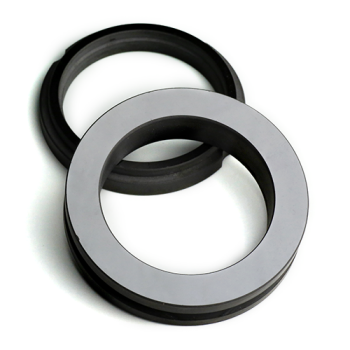
Custom CVD Diamond Coating for Lab Applications
Item Number: cvdm-05
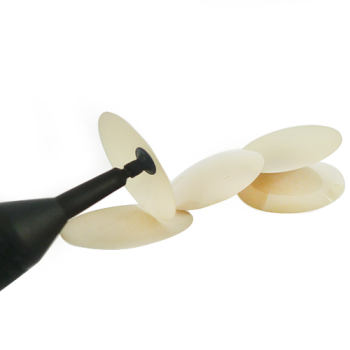
CVD Diamond Domes for Industrial and Scientific Applications
Item Number: cvdm-06
REQUEST A QUOTE
Our professional team will reply to you within one business day. Please feel free to contact us!
Related Articles
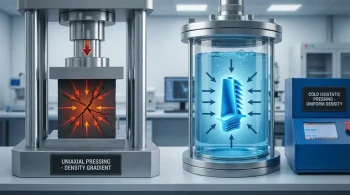
The Hidden Flaw in Every Pressed Part, and How to Eliminate It
Discover how cold isostatic pressing (CIP) eliminates hidden density gradients common in manufacturing, ensuring superior material integrity.
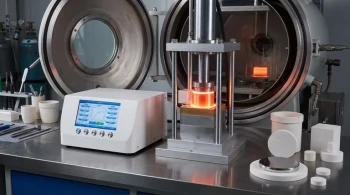
Forging Perfection: The Physics and Psychology of Hot Press Molding
Explore how hot press molding uses heat and unidirectional force to achieve near-perfect density in advanced materials, a deliberate trade-off of speed for strength.
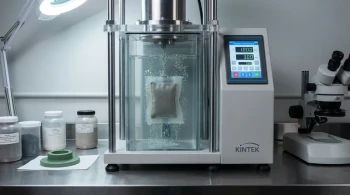
Beyond Brute Force: The Elegant Physics of Cold Isostatic Pressing Molds
Discover how flexible CIP molds, not rigid force, create perfectly uniform, high-density materials by mastering the principle of isostatic pressure.
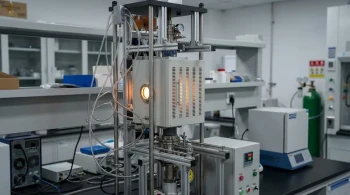
The Physics of Perfection: How Vacuum Hot Presses Overcome the Invisible Barriers in Material Science
A vacuum hot press isn't just a furnace. It creates a controlled environment to prevent oxidation, enabling material densification and bonding.
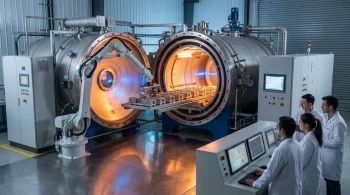
When a Perfect Environment Becomes a Trap: The Physics of Vacuum Brazing
Vacuum brazing creates ultra-pure joints but can destroy certain alloys. Understand the physics of vapor pressure to avoid catastrophic failures.
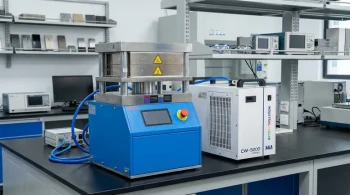
Why Your Compression Tests Are Failing (And It’s Not Your Sample’s Fault)
Discover the hidden reason your material compression tests fail and damage equipment. Learn why the press platen, not the sample, is often the culprit.
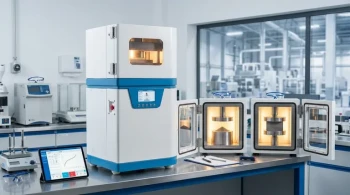
The Hydraulic Dilemma: Uniaxial vs. Biaxial Pressure in Advanced Materials Manufacturing
Choosing between uniaxial and biaxial pressure in a vacuum hot press is a critical trade-off between simplicity and ultimate material uniformity.
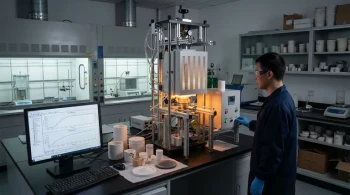
Taming the Void: The Art and Science of Hot Press Moulding
Explore how hot press moulding uses heat and pressure to eliminate microscopic voids, achieving superior density and strength in advanced materials.
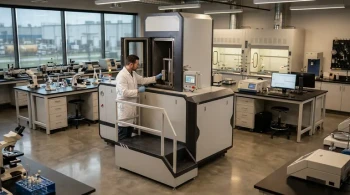
Beyond the Press: The Art and Science of Shaping Materials with Heat and Pressure
Hot press molding uses heat and pressure to shape materials. Understanding its key variations—molding, laminating, and HIP—is key to innovation.
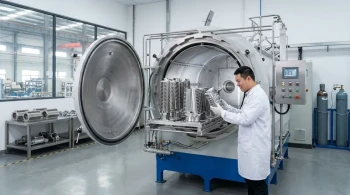
Why Your High-Strength Brazed Joints Are Failing—And How to Fix It Permanently
Tired of inconsistent, weak, or failed brazed joints? Discover the invisible root cause of failure and learn how vacuum brazing provides a permanent solution.
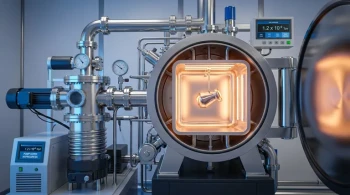
The Architecture of Emptiness: Why Vacuum Level is a Decision, Not Just a Number
Vacuum levels define material purity. We explore the engineering trade-offs between rough vacuum and ultra-high vacuum, and how to choose the right system.
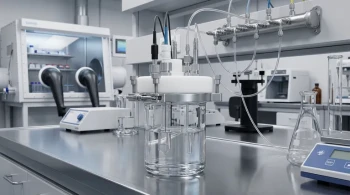
The Architecture of Isolation: Deconstructing the Super-Sealed Electrolytic Cell
Discover the engineering behind super-sealed electrolytic cells. We analyze the critical role of PTFE flanges and how total atmospheric isolation protects sensitive research.

The Silent Volatility: Mastering the Art and Safety of Electrolytic Cells
Electrolytic cell safety requires more than just PPE. It demands a systemic approach to managing invisible chemical, electrical, and physical hazards.
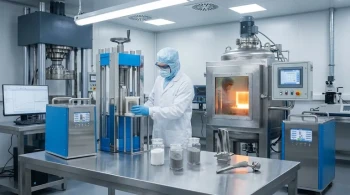
Forging Perfection: The Hidden Battle Against Material Flaws with CIP and HIP
Explore the difference between Cold (CIP) and Hot (HIP) Isostatic Pressing, two critical processes for forming and perfecting materials.

The Architecture of Certainty: Why Three Electrodes Are Better Than Two
Discover why the three-electrode system is the standard for electrochemical precision, separating current flow from voltage measurement for true analytical clarity.

The Silent Variable: Why Meticulous Cell Care Defines Electrochemical Truth
Discover why rigorous maintenance of super-sealed electrolytic cells is the secret to reproducible data. Expert tips on cleaning, storage, and electrode care.

The Geometry of Control: Why Millimeters Dictate Experimental Destiny
In electrochemistry, the difference between success and failure often lies in aperture size. Explore the engineering logic behind Φ 6.2mm and Φ 3.2mm standards.
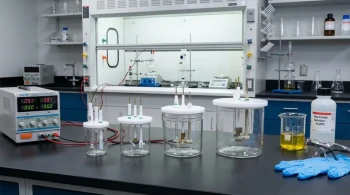
The Glass Heart of the Experiment: Mastering the Electrolytic Cell
Master the art of handling electrolytic cells. Learn the critical balance between physical fragility, chemical safety, and operational precision.

The Architecture of Silence: Purity in the Five-Port Cell
Preventing contamination is not just about cleaning; it is about system management. Master the protocols for glass and PTFE to ensure electrochemical precision.
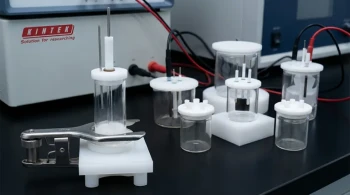
The Invisible Variable: Why Cell Geometry Defines Electrochemical Success
Discover how selecting the right quartz electrolytic cell volume and geometry impacts experimental accuracy. From standard 30ml units to custom designs.