KinTek Solution Solution For Lab Equipment
Full Package Solution For Lab Equipment - All For Your Researching. Sample processing, Biochemical testing, New material researching etc...
Full Package Solution For Lab Equipment - All For Your Researching. Sample processing, Biochemical testing, New material researching etc...
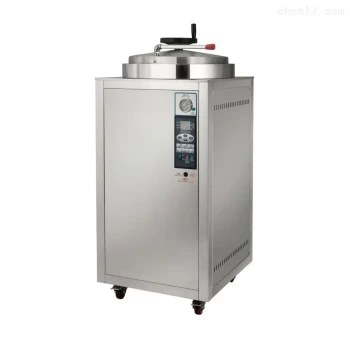
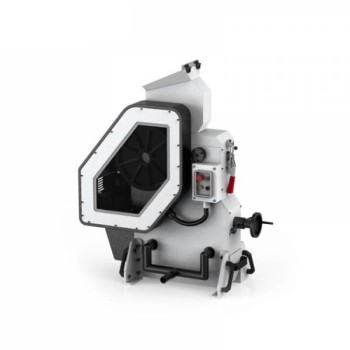
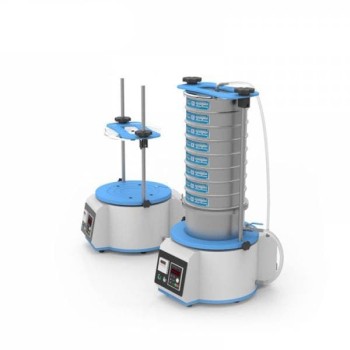
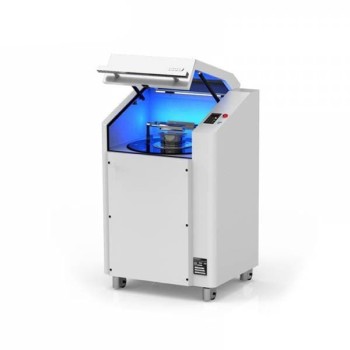
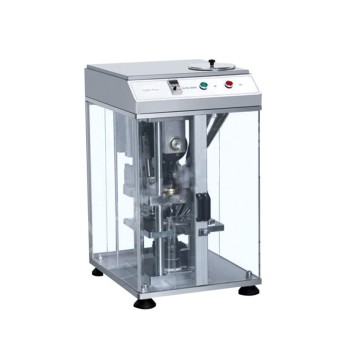
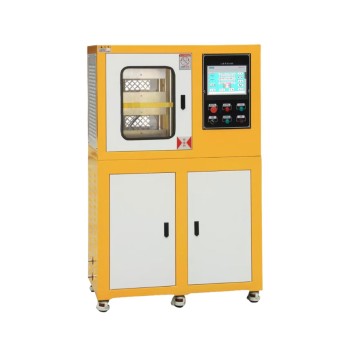
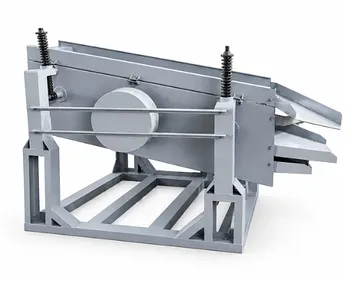
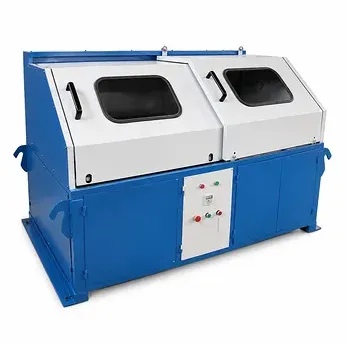
KinTek sample preparation equipment includes sample crushing,milling, as while as while sieving equipment, hydraulic press equipment includes manual press, electric press, isostatic press, hot press and press filtering machine.
View Details
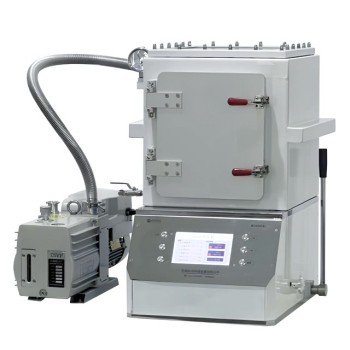


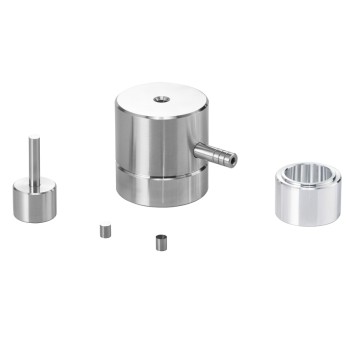

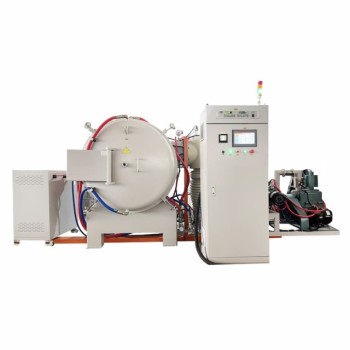
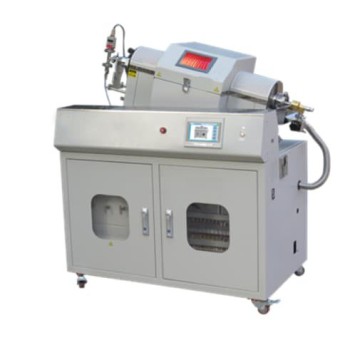
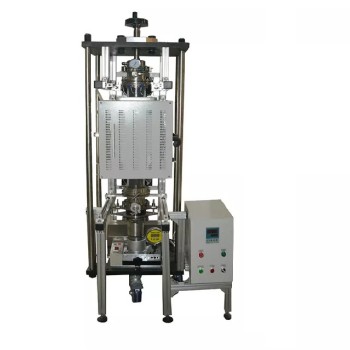
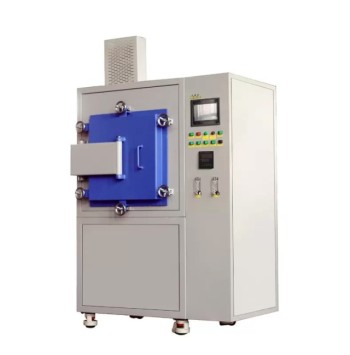
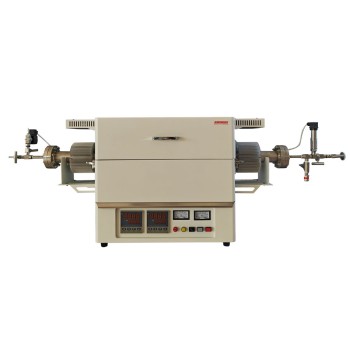
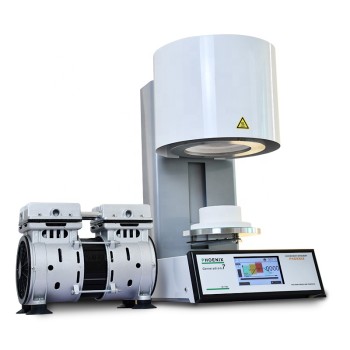
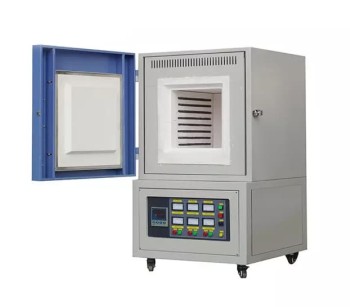
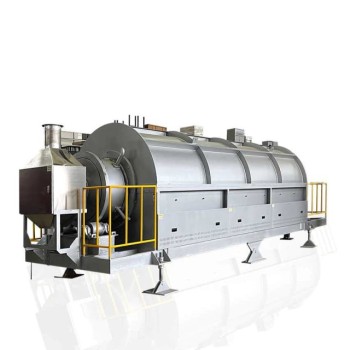
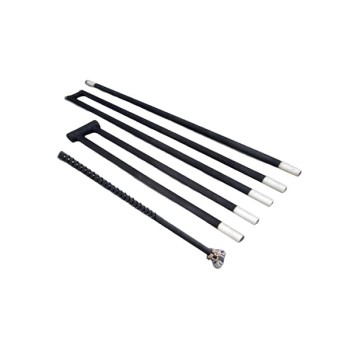
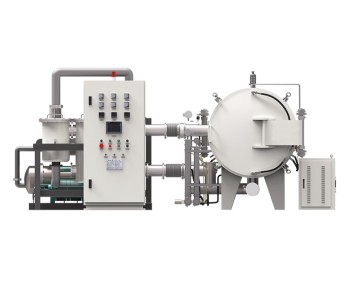
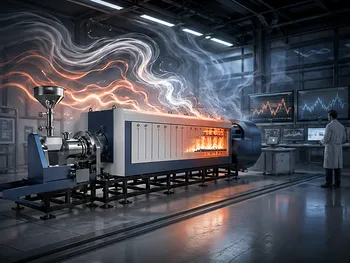
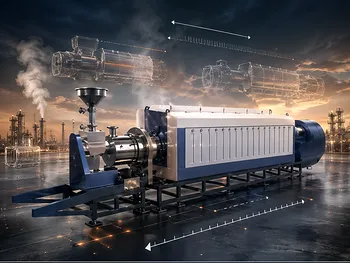
KinTek supplies a broad range of high-temperature furnaces, including lab, pilot production, and industrial production furnaces, with a temperature range of up to 3000 ℃. One of KinTek's advantages is the ability to create custom-made furnaces tailored to specific functions, such as different heating methods and speeds, extra high and dynamic vacuums, controlled atmospheres and gas circuits, automated mechanical structures, and software and hardware development.
View DetailsKinTek offers a range of lab consumables and materials, including evaporation materials, targets, metals, electrochemistry parts, as well as powders, pellets, wires, strips, foils, plates, and more.
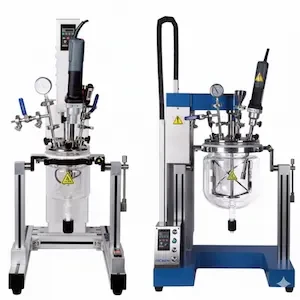
View DetailsKinTek bio-chem equipment comprises rotary evaporators, glass and stainless steel reactors, distillation systems, circulating heaters and chillers, as well as vacuum equipment.
View DetailsWe are proud to serve clients worldwide
Inconsistent thermal processing results? The problem isn't just temperature. Discover how the kiln's angle is the hidden key to repeatable success.
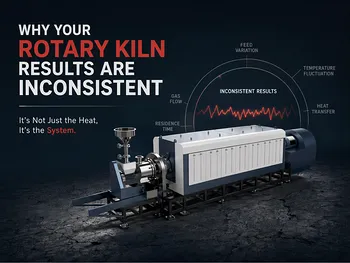
Frustrated by unpredictable rotary kiln results? Learn why focusing on single components fails and how a systems approach is the key to process consistency.
Discover why focusing on a rotary kiln's 'temperature range' leads to failure. Learn the real key to success: mastering the thermal profile for consistent results.
Struggling with inconsistent rotary kiln results? Learn why tweaking single settings fails and how precision-engineered lab equipment provides the true solution.
Stop costly downtime and inconsistent results. Discover why your rotary kiln's refractory lining is the hidden cause of failure and how to fix it.
Tired of constant rotary kiln failures? Discover the hidden root cause that isn't the parts you replace and learn how a new strategy can deliver lasting stability.
Struggling with incinerator inefficiency or compliance failures? Your selection process may be flawed. Learn the critical factor beyond kiln shape that dictates success.
Frustrated by inconsistent rotary kiln results? Discover why common fixes fail and how mastering the system, not just one setting, is the key to predictable outcomes.