Blog The Fidelity of Light: Preserving the Quartz Interface in Spectroelectrochemistry
The Fidelity of Light: Preserving the Quartz Interface in Spectroelectrochemistry

The Fidelity of Light: Preserving the Quartz Interface in Spectroelectrochemistry

1 week ago

The Invisible Component

In any spectroelectrochemical setup, the most critical component is the one you are trying to look through.

We often fixate on the chemistry of the electrolyte or the precision of the potentiostat. We worry about the complex variables. Yet, the reliability of the entire experiment frequently hangs on a single, passive piece of material: the quartz window.

It is the gateway for your data. It is the interface where physical reality translates into optical measurement.

If that interface is compromised, your data is not just noisy; it is fictional.

The Psychology of Glass

The problem with quartz windows is that they look deceptively like ordinary laboratory glass. This triggers a psychological blind spot. We treat beakers with a certain roughness because we know they are sturdy vessels. We unconsciously transfer that habit to optical quartz.

This is a category error.

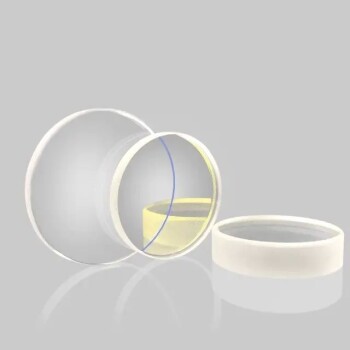
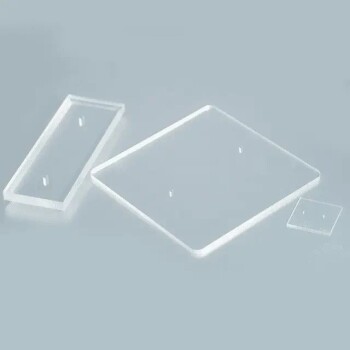
A quartz window is not a vessel; it is a precision optical instrument. It possesses excellent UV transparency and chemical resistance, but it is not indestructible. It is a sterile field for light.

When we treat it casually, we introduce two silent killers of data: artifacts and scatter.

The Cost of a Fingerprint

The first line of defense is a barrier between human biology and optical physics.

Human skin produces oils that are naturally absorbent in the UV spectrum. A single fingerprint on a quartz window acts as an unintentional filter. It doesn't just smudge the glass; it alters the baseline of your spectroscopy.

To make matters worse, high-intensity light sources can "bake" these oils onto the surface. What started as a smudge becomes a permanent carbon deposit.

The Protocol of Handling

  • The Rule: Never touch the optical face.
  • The Method: Always handle the cell by the edges.
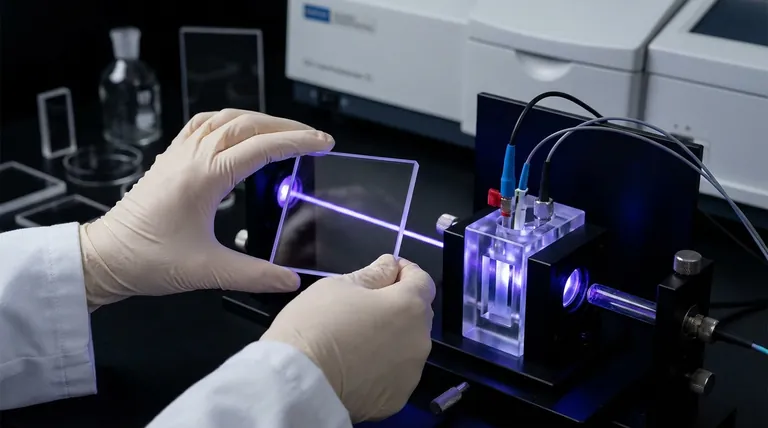
  • The Gear: Powder-free gloves are mandatory, not optional.

Entropy and Solarization

Even when perfectly clean, quartz is subject to the laws of thermodynamics. It degrades.

Prolonged exposure to high-intensity light, particularly in the deep UV range, causes a phenomenon known as "solarization." The molecular structure of the glass shifts, creating color centers that reduce transparency over time.

We cannot stop entropy, but we often accelerate it through negligence. Leaving a spectrophotometer's light source on when no experiment is running is the optical equivalent of leaving a car engine redlining in a parking lot.

The mitigation is simple: Use a shutter, a cover, or a power switch. Preserve the window's lifespan for when you are actually collecting data.

The Irreversibility of Abrasives

Cleaning is the moment of highest risk.

In our desire to be thorough, we often become aggressive. We assume that if a soft wipe is good, a stiff brush is better. This is the logic of the scullery, not the laboratory.

A quartz surface must remain optically flat. Any abrasive tool—a metal brush, a rough paper towel, or a scouring pad—cuts microscopic canyons into that flatness.

These scratches do not heal. They scatter light away from the detector, permanently reducing the signal-to-noise ratio. Once a window is scratched, the instrument is compromised.

The Chemistry of Cleaning

Safety in cleaning extends beyond the equipment to the operator. The reflex to mix chemicals to create a "stronger" cleaner is dangerous.

Mixing acids and bases (e.g., nitric acid and sodium hydroxide) creates violent exothermic reactions. This can shatter the cell due to thermal shock and spray hazardous chemicals across the bench.

Summary of Defensive Protocols

To maintain the fidelity of your data, you must adopt a mindset of preservation.

Threat Category The "Hidden" Danger The Corrective Protocol
Contamination Skin oils absorb UV light and bake onto the surface. Always wear gloves; never touch the face.
Physical Damage Micro-scratches permanently scatter light signals. Use only lint-free optical wipes; never use brushes.
Aging Solarization degrades transparency over time. Cover the cell or kill the light source when idle.
Chemicals Incompatible solvents destroy seals; mixing causes explosions. Verify compatibility; never mix acid/base cleaners.

The KINTEK Standard

Science is hard enough without your equipment fighting against you.

At KINTEK, we understand that a spectroelectrochemical cell is not just a container; it is a lens into the molecular world. Our equipment and consumables are engineered to support the rigorous demands of high-precision research, offering the durability you need with the optical clarity your data demands.

Do not let an invisible interface obscure your results.

Let us help you maintain peak experimental performance. Contact Our Experts to discuss proper maintenance or to upgrade your laboratory's optical capabilities today.

Visual Guide
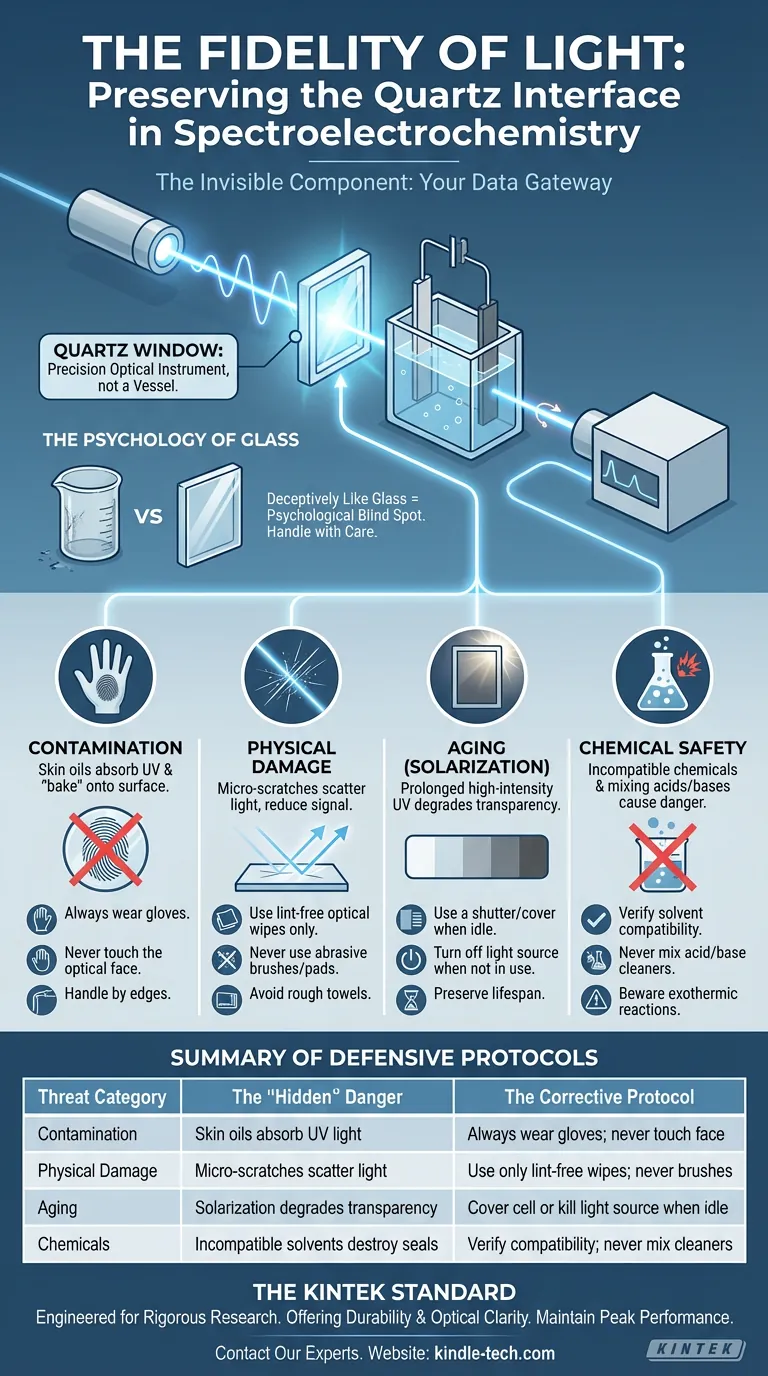
The Fidelity of Light: Preserving the Quartz Interface in Spectroelectrochemistry Visual Guide

Related Products

Related Articles

Related Products

High Temperature Resistant Optical Quartz Glass Sheet

High Temperature Resistant Optical Quartz Glass Sheet

Discover the power of optical glass sheets for precise light manipulation in telecommunications, astronomy, and beyond. Unlock advancements in optical technology with exceptional clarity and tailored refractive properties.

Float Soda-Lime Optical Glass for Laboratory Use

Float Soda-Lime Optical Glass for Laboratory Use

Soda-lime glass, widely favored as an insulating substrate for thin/thick film deposition, is created by floating molten glass on molten tin. This method ensures uniform thickness and exceptionally flat surfaces.

Optical Ultra-Clear Glass Sheet for Laboratory K9 B270 BK7

Optical Ultra-Clear Glass Sheet for Laboratory K9 B270 BK7

Optical glass, while sharing many characteristics with other types of glass, is manufactured using specific chemicals that enhance properties crucial for optics applications.

Zinc Selenide ZnSe Optical Window Glass Substrate Wafer and Lens

Zinc Selenide ZnSe Optical Window Glass Substrate Wafer and Lens

Zinc selenide is formed by synthesizing zinc vapor with H2Se gas, resulting in sheet-like deposits on graphite susceptors.

Glassy Carbon Sheet RVC for Electrochemical Experiments

Glassy Carbon Sheet RVC for Electrochemical Experiments

Discover our Glassy Carbon Sheet - RVC. Perfect for your experiments, this high-quality material will elevate your research to the next level.

Electrolytic Electrochemical Cell for Coating Evaluation

Electrolytic Electrochemical Cell for Coating Evaluation

Looking for corrosion-resistant coating evaluation electrolytic cells for electrochemical experiments? Our cells boast complete specifications, good sealing, high-quality materials, safety, and durability. Plus, they're easily customizable to meet your needs.

Metallographic Specimen Mounting Machine for Laboratory Materials and Analysis

Metallographic Specimen Mounting Machine for Laboratory Materials and Analysis

Precision metallographic mounting machines for labs—automated, versatile, and efficient. Ideal for sample prep in research and quality control. Contact KINTEK today!

Laboratory Test Sieves and Vibratory Sieve Shaker Machine

Laboratory Test Sieves and Vibratory Sieve Shaker Machine

Efficiently process powders, granules, and small blocks with a high-frequency vibration sieve. Control vibration frequency, screen continuously or intermittently, and achieve accurate particle size determination, separation, and classification.

Custom PTFE Teflon Parts Manufacturer for Acid and Alkali Resistant Chemical Powder Material Scoops

Custom PTFE Teflon Parts Manufacturer for Acid and Alkali Resistant Chemical Powder Material Scoops

Known for its excellent thermal stability, chemical resistance and electrical insulating properties, PTFE is a versatile thermoplastic material.

Multifunctional Electrolytic Electrochemical Cell Water Bath Single Layer Double Layer

Multifunctional Electrolytic Electrochemical Cell Water Bath Single Layer Double Layer

Discover our high-quality Multifunctional Electrolytic Cell Water Baths. Choose from single or double-layer options with superior corrosion resistance. Available in 30ml to 1000ml sizes.

Twin Screw Extruder Plastic Granulation Machine

Twin Screw Extruder Plastic Granulation Machine

Twin screw extruder plastic granulation machine is designed for the mixing and processing experiments of engineering plastics, modified plastics, waste plastics and masterbatches.

Lab Internal Rubber Mixer Rubber Kneader Machine for Mixing and Kneading

Lab Internal Rubber Mixer Rubber Kneader Machine for Mixing and Kneading

Lab internal rubber mixer is suitable for mixing, kneading and dispersing various chemical raw materials such as plastics, rubber, synthetic rubber, hot melt adhesive and various low-viscosity materials.

Electric Split Lab Cold Isostatic Press CIP Machine for Cold Isostatic Pressing

Electric Split Lab Cold Isostatic Press CIP Machine for Cold Isostatic Pressing

Split cold isostatic presses are capable of providing higher pressures, making them suitable for testing applications that require high pressure levels.

Lab Blown Film Extrusion Three Layer Co-Extrusion Film Blowing Machine

Lab Blown Film Extrusion Three Layer Co-Extrusion Film Blowing Machine

Lab blown film extrusion is mainly used to detect the feasibility of film blowing of polymer materials and the colloid condition in the materials, as well as the dispersion of colored dispersions, controlled mixtures, and extrudates;

Heated Hydraulic Press Machine with Integrated Manual Heated Plates for Lab Use

Heated Hydraulic Press Machine with Integrated Manual Heated Plates for Lab Use

Efficiently process heat-pressing samples with our Integrated Manual Heated Lab Press. With a heating range up to 500°C, it's perfect for various industries.

Laboratory Sterilizer Lab Autoclave Herbal Powder Sterilization Machine for Plant

Laboratory Sterilizer Lab Autoclave Herbal Powder Sterilization Machine for Plant

The herbal powder sterilization autoclave machine for Chinese medicine uses saturated steam for effective sterilization. It utilizes the heat and penetrative properties of steam, achieves sterilization after heat preservation, and maintains a good drying effect with a dedicated drying system.

Portable High Pressure Laboratory Autoclave Steam Sterilizer for Lab Use

Portable High Pressure Laboratory Autoclave Steam Sterilizer for Lab Use

Portable autoclave sterilization pressure is a device that uses pressure saturated steam to quickly and effectively sterilize items.

Rubber Vulcanizer Vulcanizing Machine Plate Vulcanizing Press for Lab

Rubber Vulcanizer Vulcanizing Machine Plate Vulcanizing Press for Lab

The Plate vulcanizing press is a kind of equipment used in the production of rubber products, mainly used for the vulcanization of rubber products. Vulcanization is a key step in rubber processing.

5L Chilling Circulator Cooling Water Bath Circulator for Low Temperature Constant Temperature Reaction Bath

5L Chilling Circulator Cooling Water Bath Circulator for Low Temperature Constant Temperature Reaction Bath

Maximize lab efficiency with the KinTek KCP 5L Chilling Circulator. Versatile and reliable, it provides constant chilling power up to -120℃.


Leave Your Message