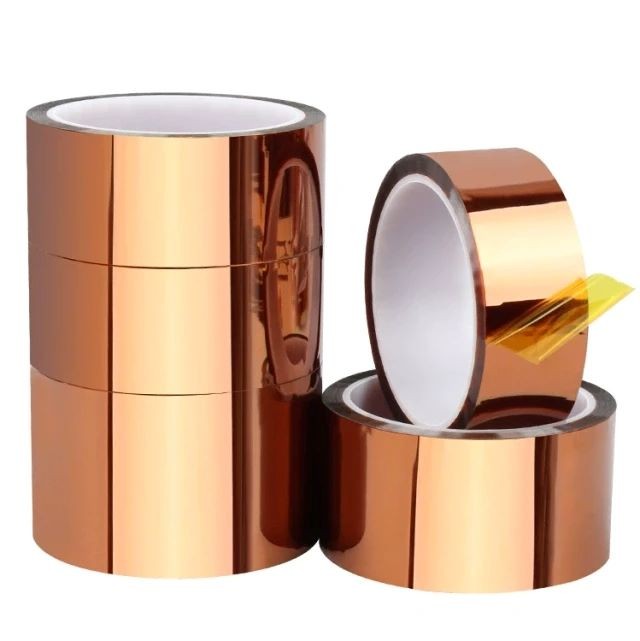
battery material
Lithium Battery Tab Tape for Battery Lab Applications
Item Number : BC-19
Price varies based on specs and customizations
- Material
- Polyimide Film
- Size
- Length 33M/roll

Shipping:
Contact us to get shipping details Enjoy On-time Dispatch Guarantee.
Why Choose Us
Easy ordering process, quality products, and dedicated support for your business success.
Application
PI polyimide tape, generally brown, also known as gold finger tape, high temperature resistance 280 ° C, to prevent the influence of heat sealing of the tabs of soft pack batteries, suitable for pasting the tabs of soft pack batteries. Use special special film insulation The material is the base material, and the special pressure-sensitive glue is coated on the base material, which is specially used for the insulation and protection of the positive electrode part of the Ni-MH battery.
- Solder is used to connect capacitors and other components. Goldfinger high temperature tape has a melting point of around 230°C and is used for auxiliary soldering.
- Insulation materials are often used in electronic products to protect and insulate them to ensure their normal operation in the manufacturing and communication maintenance markets.
- Large-scale factories use gold finger tape to make slices of high-temperature insulating gaskets for die-cutting and punching to improve production efficiency and reduce costs.
- It is used for motor heat insulation to protect the circuit board from the heat generated during the operation of the motor.
- Gold finger high temperature tape is also used to fix the battery and provide heat insulation between the protective plate and the battery cell.
- High temperature spray paint has the characteristics of high temperature resistance, tensile strength, chemical resistance, easy peeling, and no residue. It is ideal for protecting metal surfaces during high temperature painting and blasting coating processes.
Detail & Parts
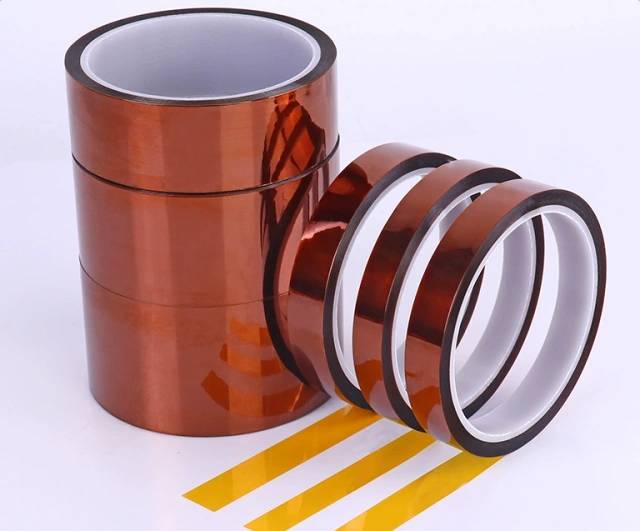
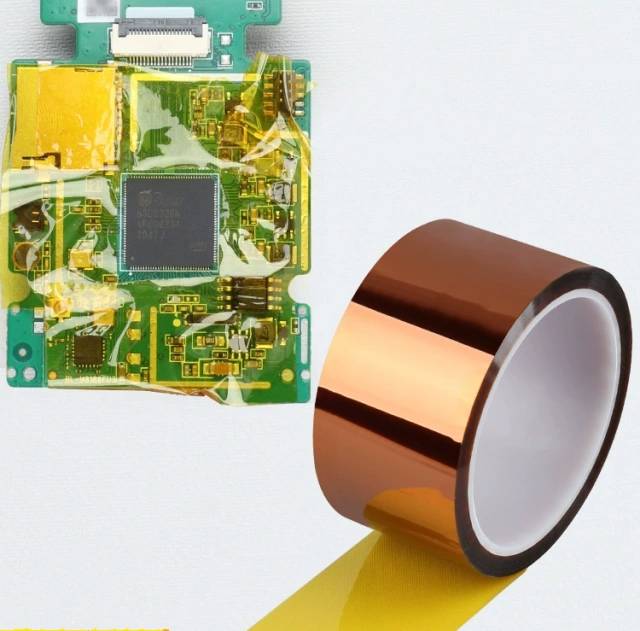
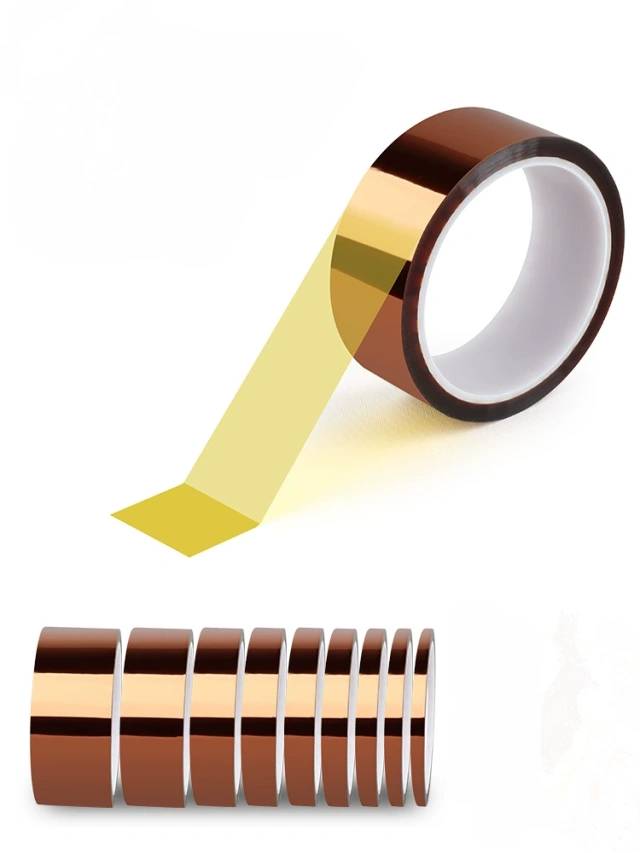

Technical specifications
| Substrate | Polyimide film |
| Total tape thickness | 0.060mm |
| tape length | 33m |
| width | 2 / 3 / 5 / 6 / 8 / 10 / 12 / 15 / 16 / 18 / 20 / 25 / 30 / 35 / 40 / 50mm(optional) |
| Tape Adhesion | 5.39 (550) N (gf)/w.25mm |
| Tape Tensile Strength | 122.6 (12.5) N (kgf)/w.25mm |
| Tape elongation | 50% |
| Temperature resistance | 220°C,10min, |
| chemical resistance | 20% HCI, NaOH/10Hrs good |
The products we show are available in different sizes and custom sizes are available on request.
Advantages
- Block electron migration, anti-corrosion, reduce leakage current.
- Increase mechanical properties, improve moisture resistance.
- It reduces circuit breakage in subsequent processing, and its characteristics are related to polyimide materials.
- Adjusting the fluorine content of the copolymer can control the refractive index of polyimide film, which is suitable for waveguide core and cladding.
Trusted by Industry Leaders

FAQ
What Considerations Should Be Made For Battery Case Gaskets?
The Difference Between PET Tape And PET Tape.
What Is The Role Of Battery Case Gaskets?
What Are Lithium-air Battery Cases?
How Should Button Battery Cases Be Chosen For Specific Applications?
REQUEST A QUOTE
Our professional team will reply to you within one business day. Please feel free to contact us!
Related Products
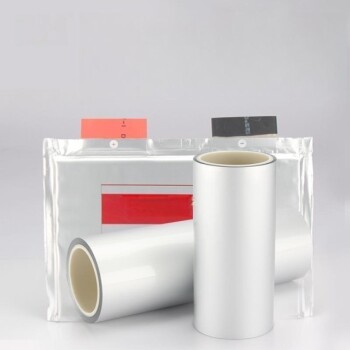
Aluminum-Plastic Flexible Packaging Film for Lithium Battery Packaging
Aluminum-plastic film has excellent electrolyte properties and is an important safe material for soft-pack lithium batteries. Unlike metal case batteries, pouch batteries wrapped in this film are safer.
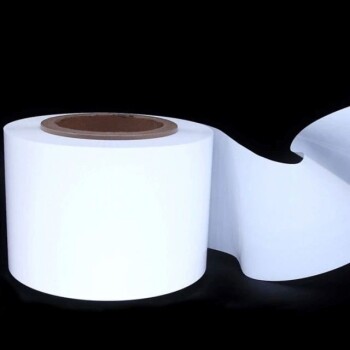
Polyethylene Separator for Lithium Battery
The polyethylene separator is a key component of lithium-ion batteries, located between the positive and negative electrodes. They allow the passage of lithium ions while inhibiting electron transport. The performance of the separator affects the capacity, cycle and safety of the battery.
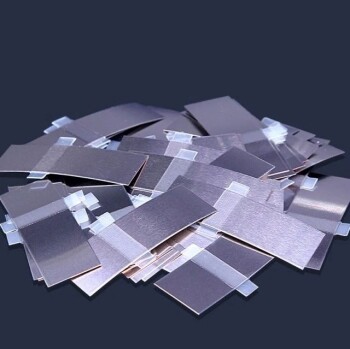
Nickel Aluminum Tabs for Soft Pack Lithium Batteries
Nickel tabs are used to manufacture cylindrical and pouch batteries, and positive aluminum and negative nickel are used to produce lithium-ion and nickel batteries.
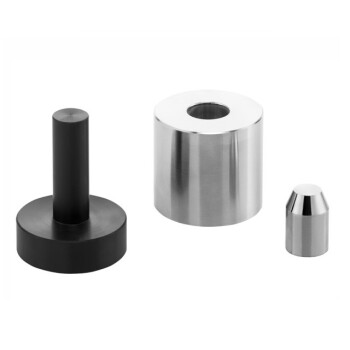
Button Battery Tablet Press Sealing Mold for Lab Use
The sealing die is essential for assembling button batteries, ensuring components like the anode, cathode, and electrolyte are securely enclosed.
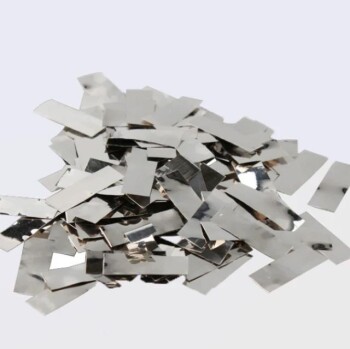
Platinum Sheet Electrode for Battery Lab Applications
Platinum sheet is composed of platinum, which is also one of the refractory metals. It is soft and can be forged, rolled and drawn into rod, wire, plate, tube and wire.
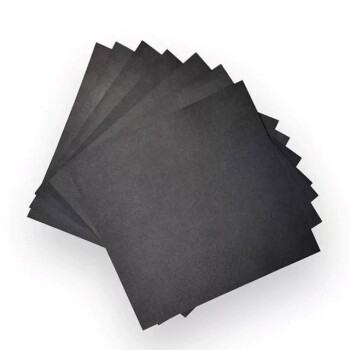
Hydrophilic Carbon Paper TGPH060 for Battery Lab Applications
Toray carbon paper is a porous C/C composite material product (composite material of carbon fiber and carbon) that has undergone high-temperature heat treatment.
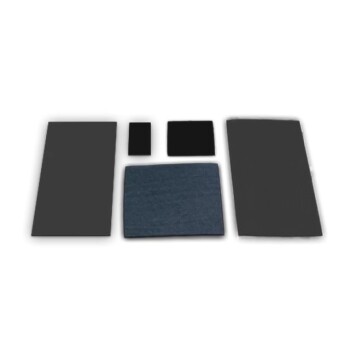
Conductive Carbon Cloth Carbon Paper Carbon Felt for Electrodes and Batteries
Conductive carbon cloth, paper, and felt for electrochemical experiments. High-quality materials for reliable and accurate results. Order now for customization options.
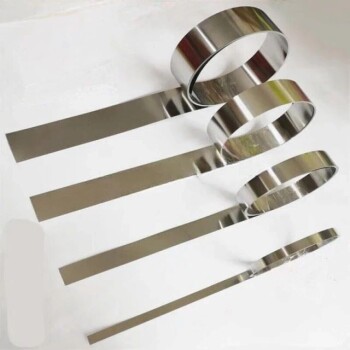
Battery Lab Equipment 304 Stainless Steel Strip Foil 20um Thick for Battery Test
304 is a versatile stainless steel, which is widely used in the production of equipment and parts that require good overall performance (corrosion resistance and formability).
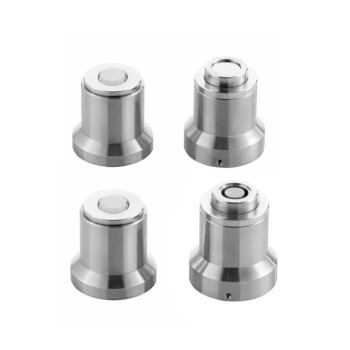
Button Battery Disassembly and Sealing Mold for Lab Use
The simple sealing and disassembly mold can be directly used on ordinary tablet presses, which can save costs, is convenient and fast, and can be used to encapsulate and disassemble button batteries. Other specifications can be customized.
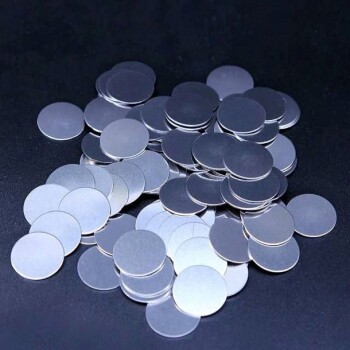
Button Battery Case Gasket for Battery Lab Applications
The gasket prevents the deformation of the internal material, and the spring sheet is conducive to the tight contact inside the battery to prevent loosening.
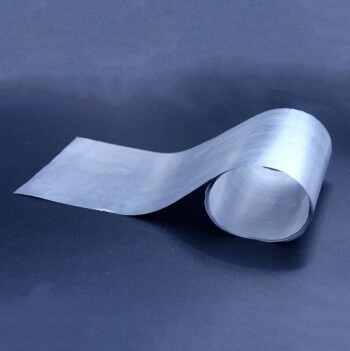
Aluminum Foil Current Collector for Lithium Battery
The surface of aluminum foil is extremely clean and hygienic, and no bacteria or microorganisms can grow on it. It is a non-toxic, tasteless and plastic packaging material.
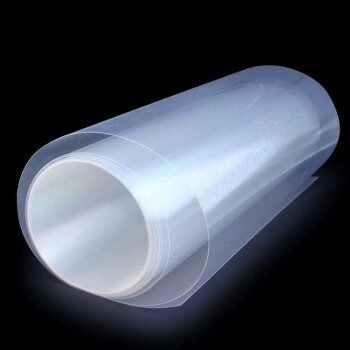
Proton Exchange Membrane for Batteries Lab Applications
Thin proton exchange membrane with low resistivity; high proton conductivity; low hydrogen permeation current density; long life; suitable for electrolyte separators in hydrogen fuel cells and electrochemical sensors.