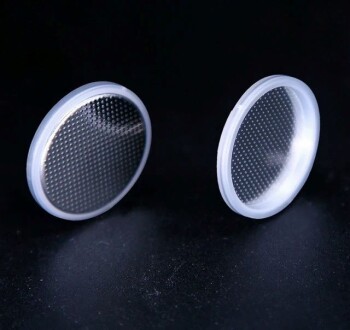
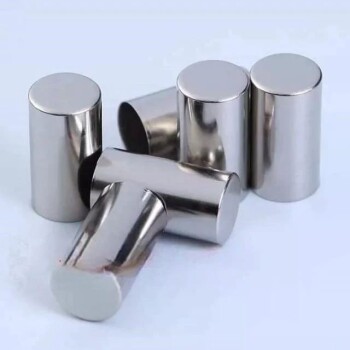
The CR2016 coin cell architecture provides a controlled, standardized environment essential for isolating the electrochemical performance of nitrogen-doped graphene on silicon carbide (NG@SiC). By ensuring a hermetic seal and maintaining constant mechanical pressure, these cases allow researchers to accurately measure the material's cycling stability, capacity, and conductivity without interference from external atmospheric variables or inconsistent contact.
CR2016 coin cell components serve as the standardized physical framework that translates raw NG@SiC material into a measurable electrochemical system. This hardware ensures that the resulting data is a true reflection of the material's properties rather than a byproduct of inconsistent test assembly.
Maintaining Structural and Electrochemical Integrity
Standardized Pressure and Contact
CR2016 cases utilize internal springs and gaskets to maintain constant mechanical pressure between the NG@SiC electrode and the lithium metal foil. This pressure is vital for minimizing interfacial resistance, ensuring that the ions can move efficiently between the active material and the electrolyte.
Hermetic Sealing Against Contamination
The stainless steel shell, when closed with a dedicated crimping machine, creates a vacuum-tight environment that prevents electrolyte leakage and blocks moisture or oxygen ingress. For sensitive materials like nitrogen-doped graphene, even trace amounts of water can lead to side reactions that mask the true performance of the NG@SiC composite.
Long-Term Cycling Stability
By providing a durable and sealed housing, these cases facilitate long-term cycling tests that can last for hundreds or thousands of hours. The structural rigidity of the CR2016 shell ensures that the internal components remain in a fixed orientation, which is necessary for evaluating how NG@SiC degrades over time.
Enhancing Electrical Connectivity
The Shell as a Current Collector
The stainless steel casing of the CR2016 cell functions as the external current collector and conductive terminal. This design allows for a direct and stable path for electron flow during charging and discharging, which is critical when measuring the high-rate capabilities of nitrogen-doped materials.
Consistent Current Distribution
Because the shell is a rigid, highly conductive material, it ensures that the current is distributed evenly across the surface of the NG@SiC electrode. This uniformity is necessary to prevent "hot spots" or localized overcharging, which could provide misleading data regarding the material's power density.
Minimizing Parasitic Reactions
High-quality stainless steel (such as SS316) used in these cases is chemically inert at standard operating voltages. This prevents the container itself from reacting with the electrolyte, ensuring that the measured current originates solely from the electrochemical activity of the NG@SiC.
Understanding the Trade-offs
Pressure Sensitivity and Consistency
While the internal spring provides pressure, the exact force can vary based on the thickness of the electrode or the manual force applied during crimping. Inconsistent pressure can lead to variations in internal resistance, making it difficult to compare NG@SiC performance across different batches without strict assembly protocols.
Limitations of Small-Scale Testing
The CR2016 format is ideal for material screening, but its small footprint may not perfectly mirror the thermal or mechanical stresses found in larger pouch or cylindrical cells. Researchers must be careful not to over-extrapolate coin cell data when predicting how NG@SiC will perform in industrial-scale energy storage.
Electrolyte-to-Material Ratio
Coin cells often use an excess of electrolyte compared to commercial batteries. This can sometimes hide issues related to electrolyte consumption or surface reactions on the nitrogen-doped graphene that might become problematic in a "lean electrolyte" commercial environment.
How to Apply This to Your Project
Evaluating NG@SiC requires a disciplined approach to cell assembly to ensure that your findings are scientifically valid.
- If your primary focus is long-term stability: Ensure you use high-quality gaskets and precise crimping pressure to prevent even micro-leaks over months of testing.
- If your primary focus is high-rate performance: Utilize a spacer and spring combination that maximizes surface contact to minimize the internal resistance of the NG@SiC electrode.
- If your primary focus is material comparison: Maintain a strict, standardized assembly SOP (Standard Operating Procedure) to ensure that the coin cell hardware remains a constant variable across all tests.
By leveraging the standardized environment of the CR2016 case, you can transform NG@SiC from an experimental powder into a validated electrochemical component ready for further development.
Summary Table:
| Feature | Impact on NG@SiC Evaluation |
|---|---|
| Hermetic Sealing | Prevents moisture/oxygen ingress, protecting sensitive nitrogen-doped graphene from side reactions. |
| Internal Springs | Maintains constant mechanical pressure to minimize interfacial resistance for accurate conductivity data. |
| SS316 Shell | Acts as a stable, inert current collector, ensuring uniform distribution for high-rate capability tests. |
| Standardized Format | Enables repeatable, long-term cycling stability tests to benchmark material degradation over time. |
Elevate Your Battery Research with KINTEK Precision
Precise material evaluation starts with reliable hardware. KINTEK provides high-quality CR2016 coin cell cases and specialized battery research tools designed to eliminate variables and deliver reproducible results for advanced materials like NG@SiC.
Our comprehensive laboratory portfolio includes:
- Battery Research: Coin cell cases, crimping machines, and essential consumables (PTFE, ceramics, crucibles).
- Material Synthesis: High-temperature furnaces (muffle, tube, vacuum, CVD/PECVD) and crushing/milling systems.
- Sample Preparation: Hydraulic pellet presses (hot/isostatic) and sieving equipment.
- Lab Essentials: Electrolytic cells, electrodes, ULT freezers, and homogenizers.
Ready to transform your experimental powders into validated electrochemical components? Contact KINTEK today to discuss your specific laboratory needs and discover how our equipment can accelerate your energy storage breakthroughs.
References
- Changlong Sun, Jiahai Wang. High-Quality Epitaxial N Doped Graphene on SiC with Tunable Interfacial Interactions via Electron/Ion Bridges for Stable Lithium-Ion Storage. DOI: 10.1007/s40820-023-01175-6
This article is also based on technical information from Kintek Solution Knowledge Base .
Related Products
People Also Ask
- What is the primary role of standardized coin cell cases in Li/LSTH/Li assembly? Ensure Precise Battery Testing Results
- What is the significance of using a 2032-type coin cell configuration? Isolate Intrinsic Graphene Performance.
- What are the uses of desiccators and specific thermal regulators? Expert Insights for Vapor-Assisted Conversion
- What is the purpose of using a high-pressure hydraulic crimper for CR2032 coin cell assembly? Ensure Superior Sealing
- Why is the use of reaction containers with environmental control capabilities essential in mechanochemistry?