At its core, multilayer blown film is a manufacturing process that combines several different molten plastics into a single, cohesive film. This technique, known as co-extrusion, feeds multiple polymers through a common circular die, forming an integrated material with engineered properties that a single polymer could never achieve on its own.
The true purpose of multilayer blown film is not to make a thicker product, but to create a high-performance material where each individual layer contributes a specific function—such as strength, an oxygen barrier, or sealability—in a single, unified structure.
How the Process Works
To understand the value of multilayer film, you must first understand how it's made. The process is a precise combination of extrusion and air pressure.
The Principle of Co-extrusion
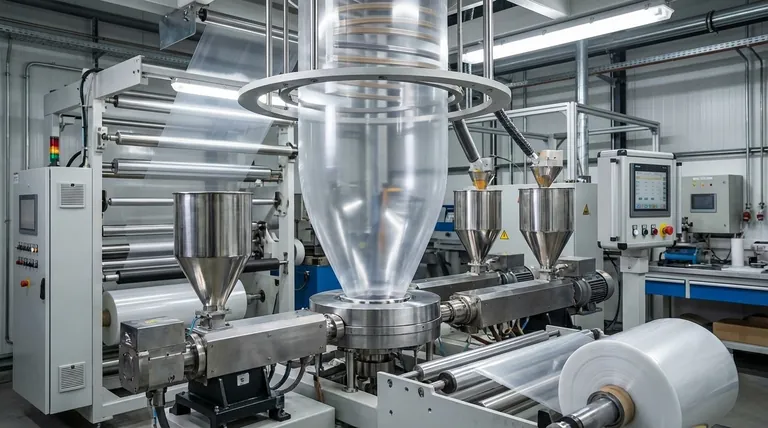
The process begins with multiple extruders, each melting a different type of plastic resin. These molten streams are fed into a single, circular die head.
Inside the die, precision-engineered channels guide the different molten plastics to converge and form concentric rings without mixing. They bond together while still in their molten state.
From Molten Plastic to a Film Bubble
The stacked, concentric ring of molten plastic is extruded vertically upwards from the die. Simultaneously, air is blown into the center, inflating the tube of plastic like a long balloon or bubble.
This bubble is stretched both vertically by pull-off rollers and circumferentially by the internal air pressure, which thins the material and aligns the polymer molecules to increase the film's strength. After cooling, the bubble is collapsed and wound onto rolls.
Why Not Just Use One Layer?
A single layer of plastic, or a "monolayer" film, can only possess the properties of that one material. For example, polyethylene is strong and a good moisture barrier but is a very poor oxygen barrier. By combining it with other polymers, we can compensate for its weaknesses.
The Strategic Advantage: Layer-by-Layer Engineering
Multilayer film is best understood as a precisely engineered material "sandwich." Each layer is chosen to fulfill a specific role. A common 5 or 7-layer film might be constructed with the following specialized layers.
The Barrier Layer
This is often the most critical and expensive layer. Materials like EVOH (Ethylene Vinyl Alcohol) or Nylon are used here because they are exceptionally effective at blocking the transmission of oxygen, which is vital for preserving perishable foods.
The Strength and Bulk Layers
These outer layers provide structural integrity, puncture resistance, and durability. LLDPE (Linear Low-Density Polyethylene) is a common choice, offering excellent toughness and flexibility at a relatively low cost.
The Sealant Layer
The innermost layer must be able to melt at a lower temperature than the other layers. This allows the film to be heat-sealed to form a pouch or bag without compromising the structural integrity of the entire film.
The Tie Layer
You cannot simply melt any two plastics together and expect them to stick. When dissimilar polymers like polyethylene and EVOH are used, they require a "glue" layer. This tie layer is an adhesive polymer that bonds the incompatible barrier and bulk layers together.
Understanding the Trade-offs
While powerful, this technology is not without its complexities. Objectively weighing the trade-offs is crucial for making an informed decision.
Complexity and Cost
The equipment for multilayer co-extrusion is significantly more complex and expensive than for monolayer film. The process requires precise control over multiple extruders and temperatures, increasing both the initial investment and the potential for manufacturing defects.
Recycling Challenges
Combining multiple, distinct types of plastic into a single, inseparable film creates a significant challenge for recycling. Most municipal recycling streams are designed to process single polymer types (like PET or HDPE), making these composite films difficult to reclaim.
Material Selection is Critical
The performance of the final film is entirely dependent on the correct formulation. An improperly chosen tie layer can lead to delamination, while the wrong barrier material can render the packaging useless for its intended purpose, leading to costly product spoilage.
Making the Right Choice for Your Goal
The optimal film structure is dictated entirely by its end-use application. There is no single "best" formula.
- If your primary focus is fresh food preservation: Your structure must include a high-performance oxygen barrier layer like EVOH, protected by tie layers and bulk layers.
- If your primary focus is industrial strength: Your film should emphasize thick layers of LLDPE or Metallocene LLDPE (mLLDPE) for superior puncture and tear resistance, with less concern for a gas barrier.
- If your primary focus is cost-sensitive applications: A simpler 3-layer structure (e.g., LLDPE / LLDPE / LLDPE) can provide good general-purpose strength and moisture protection without the cost of specialized barrier resins.
Ultimately, multilayer blown film technology empowers manufacturers to design a material with the exact combination of properties required for a specific task.
Summary Table:
| Layer Type | Common Materials | Primary Function |
|---|---|---|
| Barrier Layer | EVOH, Nylon | Blocks oxygen and gases to preserve freshness |
| Strength/Bulk Layer | LLDPE, mLLDPE | Provides structural integrity and puncture resistance |
| Sealant Layer | Specific Polyethylenes | Enables low-temperature heat sealing |
| Tie Layer | Adhesive Polymers | Bonds incompatible layers together |
Ready to engineer the perfect packaging solution for your product?
KINTEK specializes in providing the lab equipment and consumables necessary for developing and testing advanced multilayer films. Whether you're focused on food preservation, industrial strength, or cost-effective solutions, our expertise can help you optimize your material selection and process.
Contact our experts today to discuss how we can support your laboratory's innovation in polymer science and packaging technology.
Visual Guide

Related Products
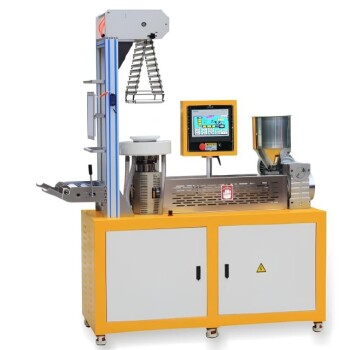
- Lab Blown Film Extrusion Three Layer Co-Extrusion Film Blowing Machine
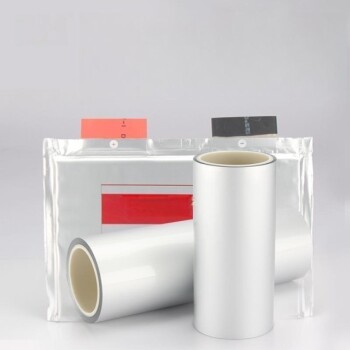
- Aluminum-Plastic Flexible Packaging Film for Lithium Battery Packaging
People Also Ask
- What is the blown film technique? A Guide to High-Strength Plastic Film Production
- What is the use of a blown film machine? To Produce Strong, Versatile Plastic Films for Packaging
- What products are blown film extrusion? From Grocery Bags to Industrial Sheeting
- What does a blown film machine do? Transform Plastic Pellets into Versatile Film
- What are the disadvantages of blown film extrusion? Overcoming Precision and Speed Limitations