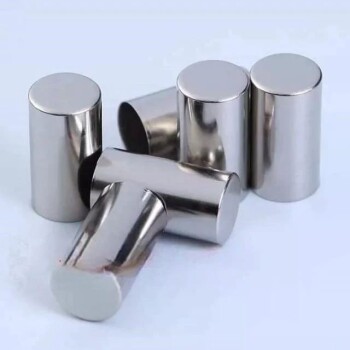
The primary purpose of using CR2032 coin cell cases is to provide a standardized, hermetically sealed environment that ensures accurate electrochemical testing. These cases serve as the physical vessel that encapsulates the halogenated MXene cathode, zinc anode, separator, and electrolyte. By maintaining continuous internal pressure and blocking external contaminants, they act as the fundamental carrier for evaluating battery cycle life and rate performance without interference.
The choice of casing is a variable control strategy. By isolating the battery chemistry from environmental factors and enforcing uniform mechanical contact, the CR2032 case ensures that observed performance metrics result strictly from the halogenated MXene and Zinc-ion interaction, rather than external interference or poor connectivity.
Ensuring Electrochemical Integrity
Isolation from Environmental Factors
The most immediate function of the CR2032 case is to create a barrier against the external environment. Zinc-ion systems can be sensitive to atmospheric variations.
The case prevents external air and moisture from entering the cell and interfering with the electrochemical reactions. This isolation is critical for preventing side reactions that could skew data regarding the intrinsic performance of the MXene material.
Sealing Consistency
Proper assembly involves using a coin cell sealer to apply hydraulic or mechanical pressure. This permanently deforms the case edges over the gasket.
This process guarantees a hermetic seal, ensuring the electrolyte remains contained and the internal chemistry remains stable throughout the duration of the test.
The Critical Role of Mechanical Pressure
Enhancing Interfacial Contact
Inside the rigid steel case, the assembly typically includes springs and spacers alongside the active materials. The case applies continuous internal contact pressure to this stack.
This pressure forces the zinc anode, separator, and MXene cathode into tight contact with one another. This reduces interfacial impedance—the resistance to current flow at the boundaries between materials—which is essential for obtaining accurate rate performance data.
Structural Stability During Cycling
Battery materials often undergo physical changes, such as expansion or contraction, during charge and discharge cycles.
The sealed case maintains a stable mechanical structure around these components. By restricting physical movement and maintaining compression, the case ensures that the electrical pathways remain intact during long-term cycle life evaluations.
Understanding the Trade-offs
The Importance of Sealing Precision
While the CR2032 format is standardized, the quality of the seal is entirely dependent on the assembly process.
If the hydraulic or mechanical pressure applied during sealing is inconsistent, the case may not isolate the components effectively. A compromised seal leads to electrolyte evaporation or oxygen ingress, rendering the test data invalid.
Mechanical Pressure Variables
The "uniform" pressure relies on the correct selection of internal spacers and springs relative to the electrode thickness.
Too little pressure results in high impedance and poor conductivity. Conversely, excessive pressure inside the case could potentially damage the separator or the delicate nanostructure of the halogenated MXene, leading to internal short circuits.
Making the Right Choice for Your Goal
When assembling your zinc-ion batteries, your approach to the casing process should shift based on your specific testing objectives:
- If your primary focus is fundamental electrochemistry: Prioritize the use of fresh gaskets and precise spacer thickness to minimize interfacial impedance and isolate the material's intrinsic properties.
- If your primary focus is long-term cycle life: Ensure your sealing pressure is calibrated and consistent to prevent electrolyte drying or leakage over extended testing periods.
The CR2032 case is not just a container; it is a precision instrument that, when assembled correctly, makes the hardware invisible so the chemistry can speak.
Summary Table:
| Feature | Function in Zinc-Ion Battery Assembly | Impact on MXene Testing |
|---|---|---|
| Hermetic Sealing | Prevents moisture/oxygen ingress and electrolyte loss | Ensures intrinsic MXene properties are measured without interference |
| Mechanical Pressure | Maintains tight interfacial contact via springs/spacers | Reduces interfacial impedance for accurate rate performance data |
| Standardized Format | Provides a consistent testing environment | Enables reproducible and comparable electrochemical data |
| Structural Support | Restricts physical movement during cycling | Maintains electrical pathways throughout long-term cycle life tests |
Elevate Your Battery Research with KINTEK Precision
Maximize the accuracy of your electrochemical evaluations with high-quality components from KINTEK. As specialists in laboratory equipment, we provide the essential tools needed for advanced battery research—from CR2032 coin cell cases, spacers, and springs to precision hydraulic presses for perfect sealing.
Whether you are studying halogenated MXenes, developing next-gen zinc-ion batteries, or utilizing our battery research tools and consumables, KINTEK ensures your hardware never compromises your science.
Ready to optimize your lab's performance? Contact KINTEK Today to Request a Quote
Related Products
People Also Ask
- What is the primary role of standardized coin cell cases in Li/LSTH/Li assembly? Ensure Precise Battery Testing Results
- What is the significance of using a 2032-type coin cell configuration? Isolate Intrinsic Graphene Performance.
- What are the uses of desiccators and specific thermal regulators? Expert Insights for Vapor-Assisted Conversion
- What is the purpose of using a high-pressure hydraulic crimper for CR2032 coin cell assembly? Ensure Superior Sealing
- Why is the use of reaction containers with environmental control capabilities essential in mechanochemistry?