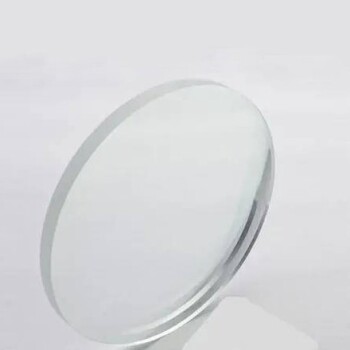
Glass Apparatus and Materials
Requirements for Glass Materials
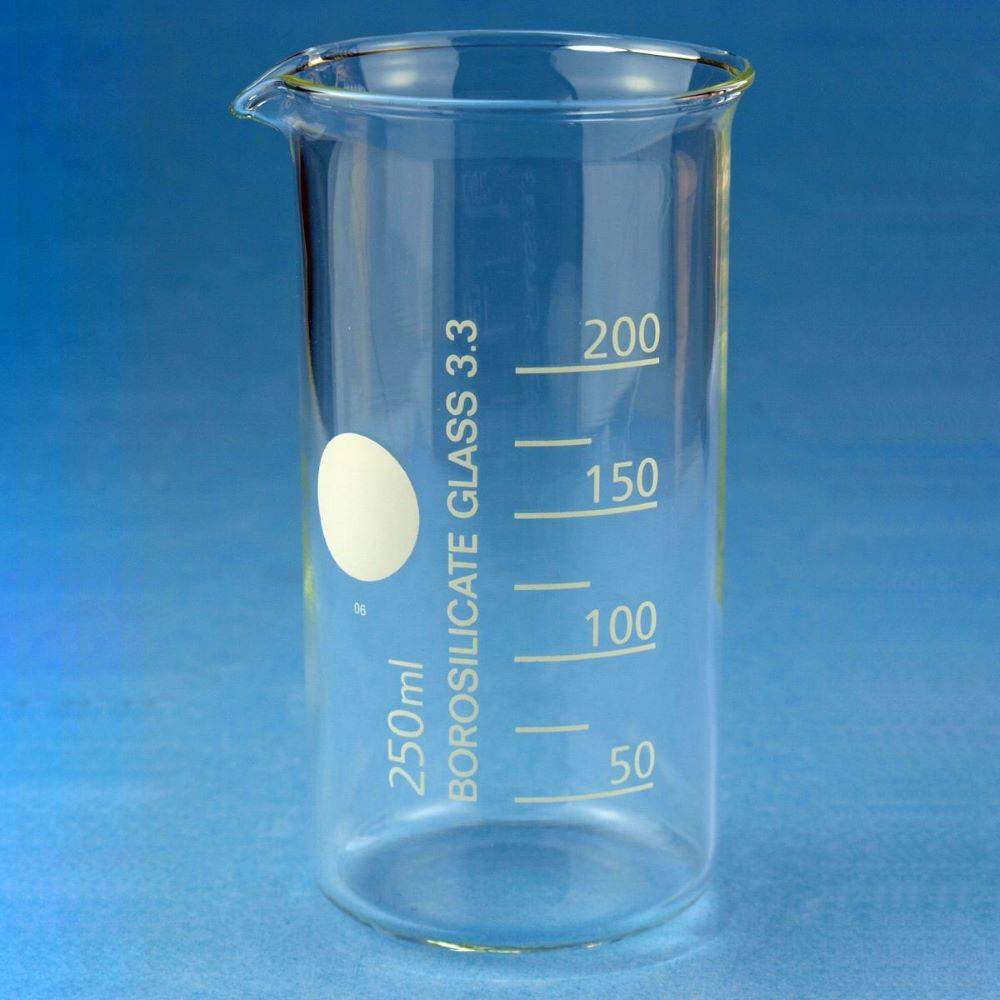
Organic synthesis experiments necessitate glass instruments that exhibit exceptional mechanical strength, softening point, chemical resistance, and temperature shock resistance. These properties are crucial to withstand the rigorous conditions often encountered in laboratory settings, such as high temperatures, corrosive chemicals, and rapid thermal changes.
Typically, such instruments are fabricated from borosilicate glass or GG-17 hard glass. Borosilicate glass, renowned for its low coefficient of thermal expansion, provides excellent resistance to thermal shock, making it ideal for applications where temperature fluctuations are frequent. GG-17 hard glass, on the other hand, offers superior mechanical strength and chemical durability, ensuring long-term performance and reliability.
The choice of glass material is not arbitrary; it is dictated by the specific demands of the synthesis process. For instance, during distillation, where rapid temperature changes are common, the glass apparatus must be able to withstand sudden thermal gradients without cracking or shattering. Similarly, in extraction processes involving corrosive solvents, the glass must exhibit high chemical resistance to prevent degradation over time.
In summary, the selection of glass materials for organic synthesis is a critical decision that impacts the safety, efficiency, and success of the experiments. The use of borosilicate glass and GG-17 hard glass ensures that the instruments can meet the stringent requirements of modern organic synthesis laboratories.
Common Glass Instruments
Distillation Apparatus
Distillation apparatus is a sophisticated system designed to separate liquids based on their differing boiling points, effectively removing solvents and purifying mixtures. This process involves several key components, each playing a crucial role in the distillation process.
The core components of a distillation apparatus include:
- Vaporization: This is typically achieved using a round-bottom flask or distilling flask, which holds the liquid mixture to be distilled. The flask is heated, causing the mixture to vaporize.
- Condensation: The vaporized mixture rises into a fractionating column, where it cools and condenses on the walls of the condenser. The condenser is a vital part of the system, ensuring that the vapors are efficiently converted back into liquid form.
- Reception: The condensed liquid is then collected in a receiving flask. This flask is specifically designed to safely and accurately collect the purified distillate.
Additional instruments such as a thermometer and a distillation head are also essential. The thermometer measures the temperature within the distilling flask, providing critical data to control the distillation process. The distillation head ensures that the vaporized mixture is directed towards the condenser, facilitating the separation of components based on their boiling points.
The distillation process is iterative, with many vaporization-condensation cycles occurring. Each cycle improves the purity of the distillate, making fractional distillation a highly effective method for achieving high levels of separation and purification.
Water Vapor Distillation
Water vapor distillation is a specialized technique used in organic synthesis to separate liquid mixtures based on their distinct vapor pressures and boiling points. This process involves the use of a water vapor generator and a distillation device, which work in tandem to facilitate the separation.
The water vapor generator introduces steam into the distillation system, which helps to elevate the temperature of the mixture without causing the individual components to reach their boiling points. This is particularly useful for substances that are sensitive to high temperatures and might degrade or decompose under such conditions.
The distillation device, equipped with a dispensing funnel or a T-tube, is crucial for the efficient removal of condensed water droplets. These components ensure that the condensed water, which is often co-distilled with the target compounds, is effectively separated from the desired organic liquids.
By leveraging the differences in vapor pressure and boiling points, water vapor distillation allows for the selective separation of components, making it an invaluable technique in the purification of organic compounds.
Decompression Distillation
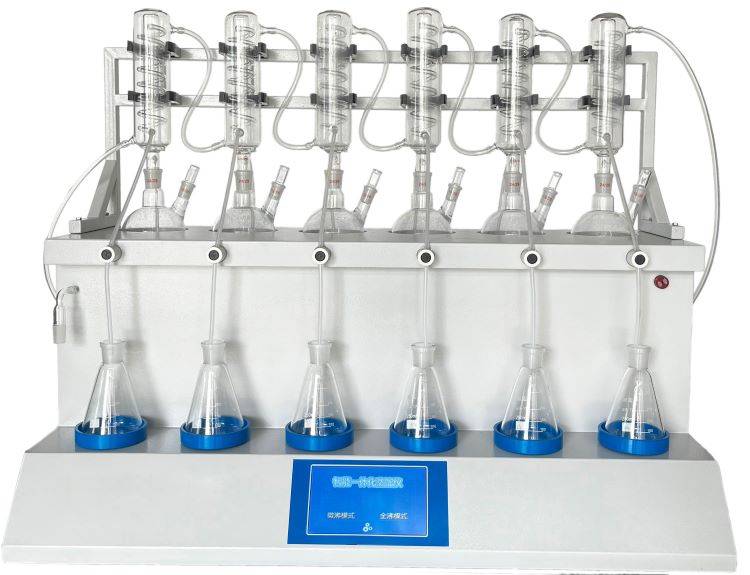
Decompression distillation is a specialized technique used to lower the boiling point of liquids by reducing the system pressure. This method is particularly advantageous for compounds that are prone to decomposition or polymerization when exposed to atmospheric pressure. The process involves the integration of a distillation unit and a lab vacuum pump, which work in tandem to achieve the desired pressure reduction.
The distillation unit typically consists of key components such as a distillation bottle, distillation head, thermometer, condenser tube, receiving tube, and receiving bottle. These elements ensure the efficient vaporization, condensation, and collection of the target compounds. The lab vacuum pump, on the other hand, plays a crucial role in creating the low-pressure environment necessary for the distillation process. By lowering the system pressure, the boiling points of the liquids are significantly reduced, allowing for the separation of volatile compounds without compromising their integrity.
This technique is particularly useful in organic synthesis, where the preservation of compound stability is paramount. It allows for the purification of thermally sensitive compounds that would otherwise degrade under conventional distillation conditions. The combination of a well-designed distillation apparatus and an effective lab vacuum pump ensures that the process is both efficient and reliable, making decompression distillation an indispensable tool in the arsenal of organic chemists.
Recrystallization
Principle and Steps
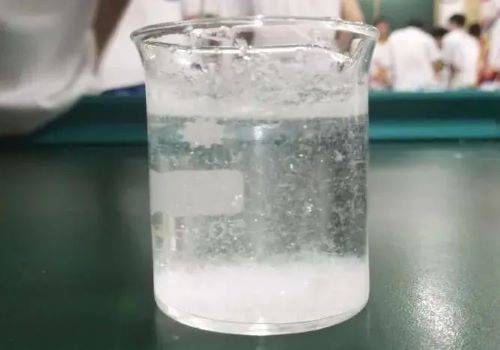
Recrystallization is a purification technique that leverages the solubility differences of components in a solvent at varying temperatures. This method effectively separates the desired compound from impurities, resulting in a more pure crystalline product. The process involves several critical steps, each meticulously designed to ensure optimal purification.
First, selecting an appropriate solvent is paramount. The solvent should dissolve the crude product at elevated temperatures but precipitate it upon cooling, facilitating the formation of pure crystals. Once the solvent is chosen, the next step is to dissolve the crude product in the solvent at a high temperature, typically just below the solvent's boiling point. This ensures that the compound is fully dissolved, leaving behind any insoluble impurities.
After dissolution, the solution is filtered while hot to remove any remaining insoluble impurities. This step is crucial as it prevents these impurities from contaminating the final product. The filtered solution is then allowed to cool slowly, promoting the recrystallization of the desired compound. During this cooling phase, the solubility of the compound decreases, leading to the precipitation of pure crystals.
Finally, the crystals are collected through filtration and dried to remove any residual solvent. This drying process is essential to ensure the final product is free from solvent traces, which could affect its stability or purity. Each step in the recrystallization process is designed to maximize the purity of the final product, making it a highly effective purification method in organic synthesis.
Solvent Selection
When selecting a solvent for recrystallization, several critical factors must be considered to ensure the process is effective and safe. The solvent should be chemically inert, meaning it should not react with the organic material being purified. This ensures that the desired compound remains intact and free from any unwanted side reactions.
One of the key properties of a suitable solvent is its solubility behavior with respect to temperature. The solvent should effectively dissolve the compound under hot conditions, typically at or near its boiling point. This allows for the efficient dissolution of the compound, facilitating the removal of impurities through filtration. However, as the solution cools, the solvent should exhibit reduced solubility, causing the purified compound to precipitate out of solution as crystals. This temperature-dependent solubility is crucial for achieving high purity in the recrystallized product.
The boiling point of the solvent is another important consideration. An appropriate boiling point ensures that the solvent can be easily removed after recrystallization, typically through simple evaporation or distillation. If the boiling point is too low, the solvent may evaporate prematurely, leading to incomplete dissolution or crystallization. Conversely, if the boiling point is too high, the solvent may be difficult to remove, potentially contaminating the final product.
In summary, the ideal solvent for recrystallization should be chemically stable, exhibit temperature-dependent solubility, and have a boiling point that facilitates easy removal post-purification. These characteristics collectively contribute to the successful isolation of high-purity organic compounds through the recrystallization process.
Extraction
Principle and Common Extractants
Extraction is a fundamental technique in organic synthesis that facilitates the transfer of compounds from one solvent to another, driven by differences in solubility. This method is crucial for isolating and purifying specific components from complex mixtures. The choice of extractant is pivotal, as it must possess specific properties to ensure efficient extraction.
Common extractants include water, benzene, carbon tetrachloride, and ether. Each of these solvents has distinct characteristics that make them suitable for different extraction scenarios. For instance, water is often used for polar compounds, while benzene and carbon tetrachloride are preferred for non-polar substances. Ether, being moderately polar, can be used for a broader range of compounds.
| Extractant | Characteristics | Suitable For |
|---|---|---|
| Water | Polar, high dielectric constant, miscible with many polar solvents | Polar compounds |
| Benzene | Non-polar, aromatic, low solubility in water | Non-polar compounds |
| Carbon Tetrachloride | Non-polar, high density, low solubility in water | Non-polar compounds, dense phase separations |
| Ether | Moderately polar, low boiling point, forms azeotropes with water | Broad range of compounds, especially in refluxing |
The extractant should not mix with the original solvent to prevent dilution and loss of efficiency. Additionally, it must exhibit high solubility for the solute, ensuring that the target compound is effectively transferred. This dual requirement of immiscibility and high solubility is essential for the success of the extraction process.
In summary, the selection of an appropriate extractant is a critical step in the extraction process. By understanding the solubility characteristics of both the solute and the extractant, one can optimize the extraction procedure for maximum efficiency and purity.
Related Products
- KF Ultra-High Vacuum Observation Window Stainless Steel Flange Sapphire Glass Sight Glass
- CF Ultra-High Vacuum Observation Window Window Flange High Borosilicate Glass Sight Glass
- CF Ultra-High Vacuum Observation Window Stainless Steel Flange Sapphire Glass Sight Glass
- Float Soda-Lime Optical Glass for Laboratory Use
- Optical Ultra-Clear Glass Sheet for Laboratory K9 B270 BK7
Related Articles
- Comprehensive Guide to Optical Windows: Material Properties and Surface Specifications
- The Architecture of Silence: Why Material Choice Defines Electrochemical Truth
- The Rise of Glass Substrates in Advanced Semiconductor Packaging
- Factors in Selecting Large Optical Windows
- The Fidelity of Light: Preserving the Quartz Interface in Spectroelectrochemistry