Laboratory Freeze Dryer & Freezer
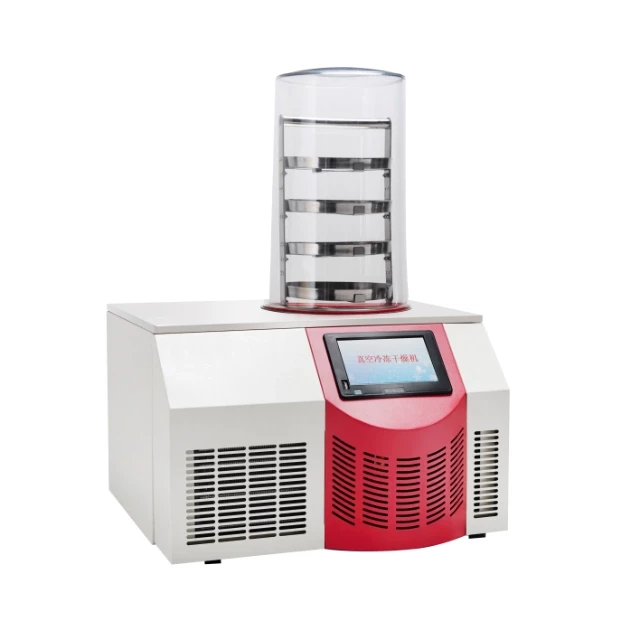
Benchtop Laboratory Vacuum Freeze Dryer
Item Number : KTFD-10S
Price varies based on specs and customizations
- Cold Trap Temperature
- ≤ -60 °C
- Ultimate Vacuum
- < 10 Pa
- Water Capture Capacity
- 3kg / 24h

Shipping:
Contact us to get shipping details Enjoy On-time Dispatch Guarantee.
Why Choose Us
Easy ordering process, quality products, and dedicated support for your business success.
Introduction
The KTFD-10S freeze dryer is a high-performance laboratory vacuum freeze-drying device. It utilizes advanced cold trap refrigeration technology combined with a vacuum system to freeze aqueous samples at low temperatures and then directly sublimate and dehydrate them in a vacuum environment, thereby maximizing the preservation of the substance's original biological activity and structural integrity. This device is widely used in biopharmaceuticals, medical research, food processing, and other fields, and is particularly suitable for the long-term storage of heat-sensitive substances.
Applications
This freeze dryer is an invaluable asset for laboratories in diverse fields, including:
- Biopharmaceuticals (e.g., preservation of proteins, vaccines, enzymes)
- Medical Research (e.g., tissue preservation, diagnostics)
- Food Science (e.g., preservation of food cultures, ingredients, and for creating high-value dried foods)
- And other industries requiring gentle and effective sample dehydration.
Its ability to preserve samples effectively while maintaining their original properties makes it a cornerstone for research, development, and quality control processes.
Technical Parameters
| Parameter | Specification |
|---|---|
| Cold Trap Temperature | ≤ -60 °C |
| Ultimate Vacuum | < 10 Pa |
| Vacuum Display Accuracy | 0.01 Pa |
| Freeze Drying Area | 0.12 - 0.18 m² |
| Material Loading Capacity | 1200 - 1800 ml |
| Water Capture Capacity | 3kg / 24h |
| Material Tray Dimensions | Φ 200 x 20 mm (Diameter x Height) |
| Number of Material Trays | Standard 4 layers, Optional 6 layers |
| External Dimensions (W*D*H) | 580 x 550 x 375/820 mm |
| Cold Trap Dimensions | Φ 215 x 193.5 mm (Diameter x Height) |
| Design | Benchtop, Compact Structure |
Key Features and Benefits
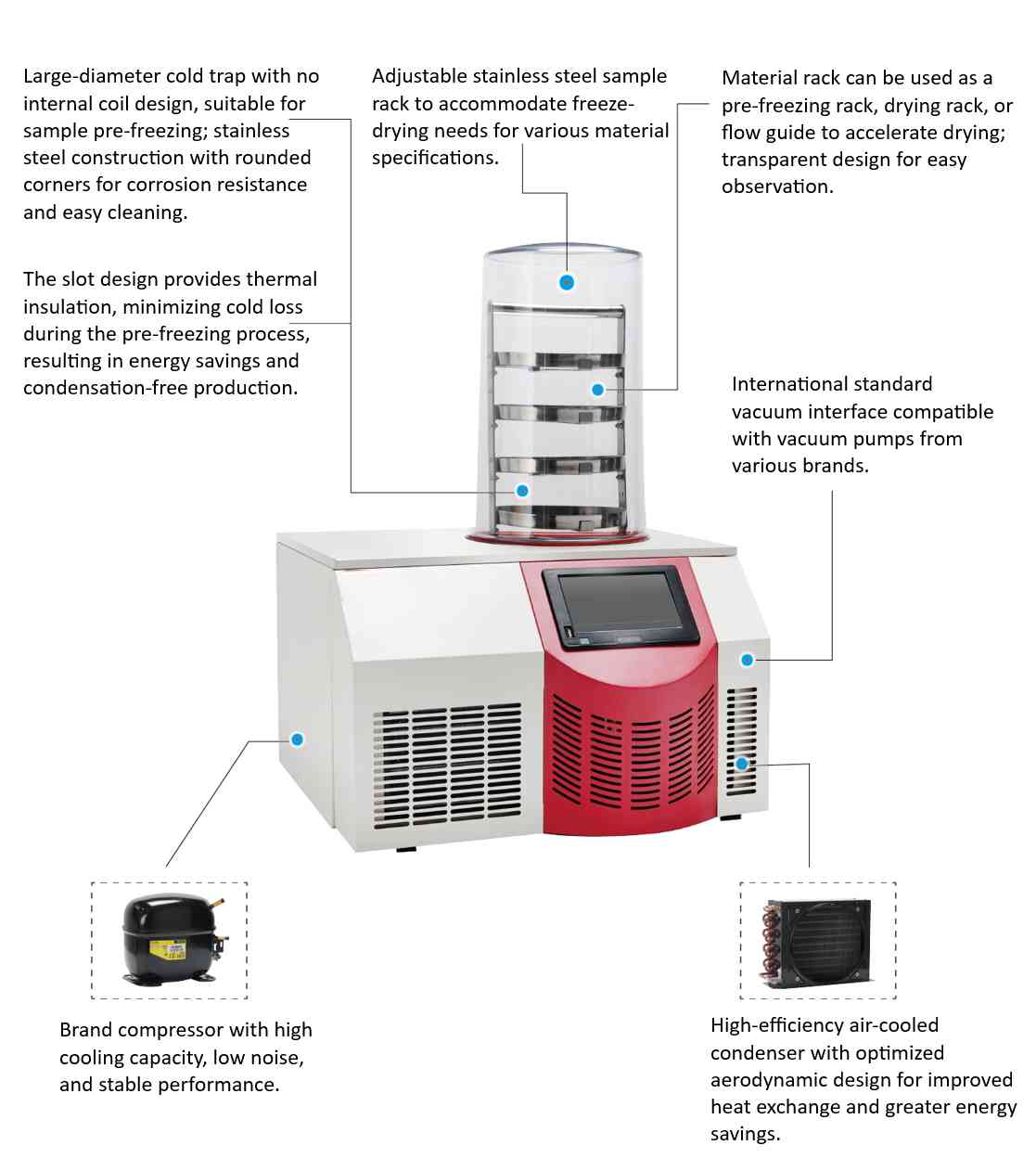
- Intuitive Operation & Monitoring: Features a user-friendly 7-inch color LCD touchscreen with a bilingual (Chinese/English) interface. It clearly displays crucial parameters such as sample temperature, cold trap temperature, and vacuum levels, both numerically and graphically, allowing for real-time process tracking. The ergonomically tilted screen enhances operator comfort and visibility.
- High-Performance Refrigeration: Equipped with a large-opening cold trap and a high-quality, imported compressor, this freeze dryer delivers powerful and stable refrigeration. The cold trap itself is thoughtfully designed without internal coils, allowing it to double as a pre-freezing chamber. Its rounded bottom and all-stainless steel construction ensure easy cleaning and superior corrosion resistance.
- Efficient and Versatile Drying: The drying chamber utilizes adjustable stainless steel shelves, accommodating various sample types and sizes. The transparent bell jar design provides a clear view of the samples during the drying process, ensuring safety and intuitive operation. The unique slot design provides thermal insulation, minimizing cooling loss during pre-freezing, contributing to energy savings and preventing condensation.
- Robust Data Management: The system includes a historical data logging function, capable of storing nearly a month's worth of operational data. This allows for easy data query, export, and comparison, facilitating process optimization and record-keeping.
- Durable and Compact Design: Constructed for benchtop use, this freeze dryer boasts a compact structure, saving valuable lab space. The use of advanced auto-cascade refrigeration technology ensures reliable and advanced performance with low operational noise. The high-efficiency air-cooled condenser with aerodynamic fan blades enhances heat dissipation and energy efficiency.
- Customizable Options: Enhance the unit's capabilities with optional features such as an inert gas (e.g., nitrogen) backfill port, an oil mist filter for the vacuum pump, a cold trap defrost function, and a vacuum pump anti-suck-back device to protect your samples and equipment.
To discover how this freeze dryer can support your laboratory's research and preservation needs, please reach out to us for more information or a personalized consultation.
Trusted by Industry Leaders

FAQ
What Is A Freeze Dryer And How Does It Work?
What Is Laboratory Vacuum Pump?
What Are The Main Applications Of Freeze Dryers?
What Is The Purpose Of Vacuum Pump In Laboratory?
What Are The Different Freeze Drying Methods Available?
What Is The Use Of Pump In Laboratory?
What Are The Key Advantages Of Freeze Drying Compared To Other Drying Methods?
What Is Used In A Laboratory To Form And Contain A Vacuum?
What Factors Should I Consider When Choosing A Freeze Dryer?
How Does A Laboratory Vacuum Pump Work?
What Types Of Freeze Dryers Are Available For Laboratory Use?
Why Is Freeze Drying Preferred For Pharmaceutical Applications?
REQUEST A QUOTE
Our professional team will reply to you within one business day. Please feel free to contact us!
Related Products
High Performance Laboratory Freeze Dryer
Advanced lab freeze dryer for lyophilization, preserving biological & chemical samples efficiently. Ideal for biopharma, food, and research.
High Performance Laboratory Freeze Dryer for Research and Development
Advanced laboratory freeze dryer for lyophilization, preserving sensitive samples with precision. Ideal for biopharmaceuticals, research & food industries.
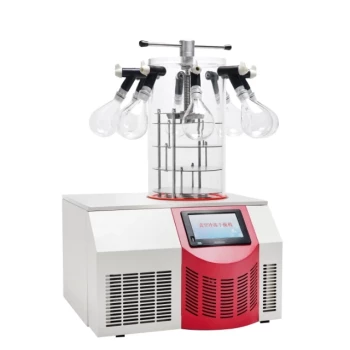
Benchtop Laboratory Freeze Dryer for Lab Use
Premium benchtop laboratory freeze dryer for lyophilization, preserving samples with ≤ -60°C cooling. Ideal for pharmaceuticals & research.
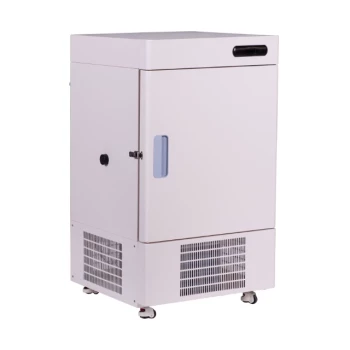
108L Vertical Ultra Low Temperature ULT Freezer
Ultra-low temperature freezer for labs: -86°C storage, precise control, eco-friendly, stainless steel interior. Secure your samples now!
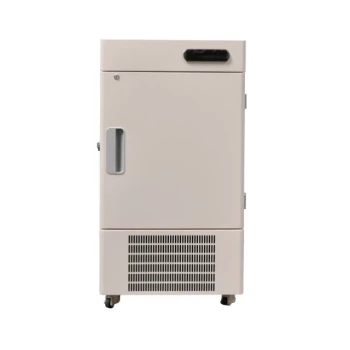
58L Precision Laboratory Ultra Low Temperature Upright Freezer for Critical Sample Storage
Ultra-low temperature freezer for labs, reliable -86°C storage, stainless steel interior, energy-efficient. Secure your samples now!
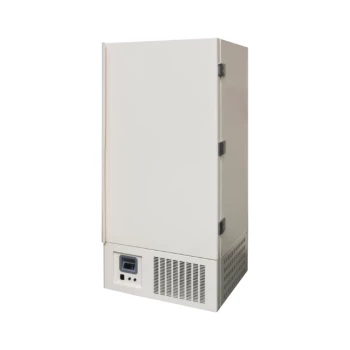
608L Essential Laboratory Ultra Low Temperature Freezer For Critical Sample Preservation
Ultra-low temperature freezer with 608L capacity, precise -86°C control, ideal for labs storing biological samples securely.
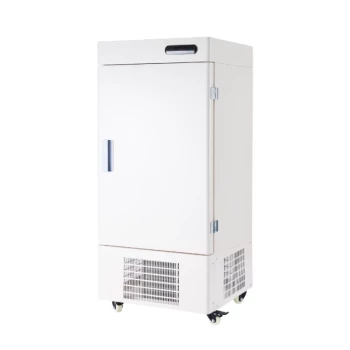
158L Precision Vertical Ultra Low Freezer for Laboratory Applications
Reliable 158L ULT freezer for labs, maintains -86°C, energy-efficient, with advanced safety features. Ideal for sensitive sample storage.
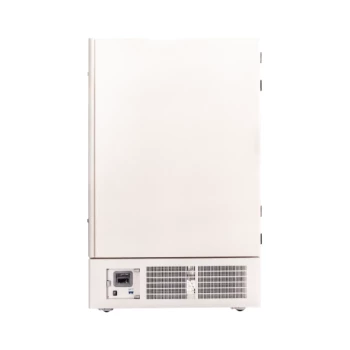
938L Vertical Ultra Low Temperature Freezer for Advanced Laboratory Storage
Ultra-low temperature freezer for labs, precise -86°C storage, ideal for DNA, vaccines, and reagents. Reliable & energy-efficient.
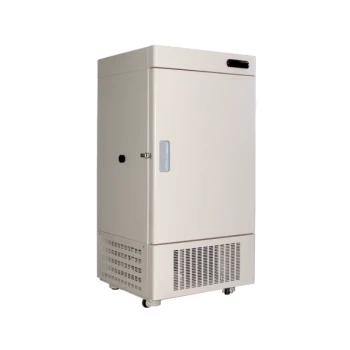
308L Precision Ultra Low Temperature Freezer for Laboratory Applications
Ultra-low temperature freezer for labs: -86°C storage, precise control, energy-efficient, safe sample preservation. Reliable & durable.
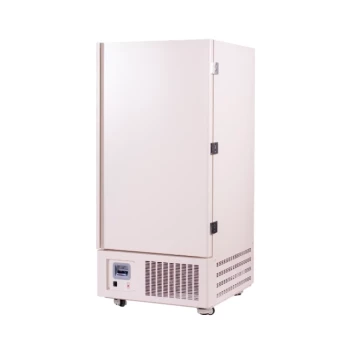
408L Advanced Vertical Laboratory Ultra Low Temperature Freezer for Critical Research Material Preservation
Ultra-low temperature freezer for labs: precise -86°C control, energy-efficient, secure sample storage. Ideal for research & biotech.
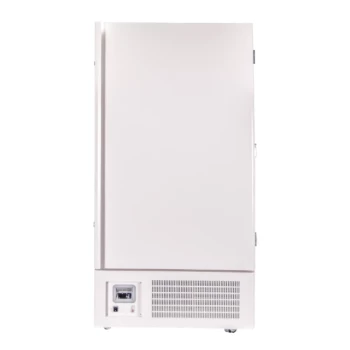
708L Ultra Low Temperature Freezer High Performance Laboratory Freezer
708L ultra-low temperature freezer for labs, -86°C precision cooling, stainless steel interior. Ideal for research & biotech sample storage.
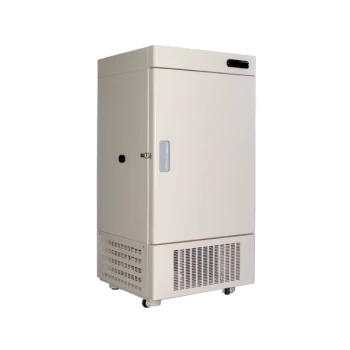
208L Advanced Precision Laboratory Ultra Low Temperature Freezer for Cold Storage
Ultra-Low Temperature Freezer for labs: -86°C storage, energy-efficient, reliable sample preservation. Ideal for research & biotech.
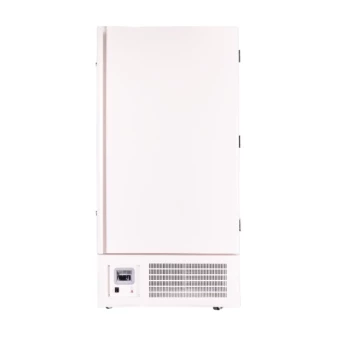
508L Advanced Vertical Ultra Low Temperature Freezer for Critical Laboratory Storage
Vertical ULT freezer with 508L capacity, precise -86°C control, stainless steel interior, and advanced safety features for lab sample storage.

Vacuum Cold Mounting Machine for Sample Preparation
Vacuum Cold Mounting Machine for precise sample prep. Handles porous, fragile materials with -0.08MPa vacuum. Ideal for electronics, metallurgy, and failure analysis.
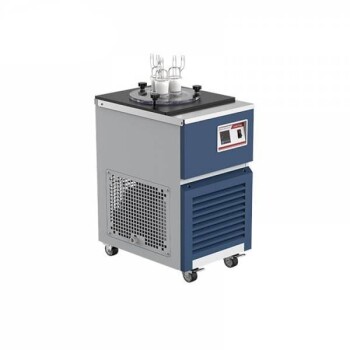
Vacuum Cold Trap Chiller Indirect Cold Trap Chiller
Boost vacuum system efficiency and prolong pump life with our Indirect Cold Trap. Built-in chilling system with no need for fluid or dry ice. Compact design and easy to use.

Laboratory Scientific Electric Heating Blast Drying Oven
The desktop fast autoclave sterilizer is a compact and reliable device used for rapid sterilization of medical, pharmaceutical, and research items.

Three-dimensional electromagnetic sieving instrument
KT-VT150 is a desktop sample processing instrument for both sieving and grinding. Grinding and sieving can be used both dry and wet. The vibration amplitude is 5mm and the vibration frequency is 3000-3600 times/min.

23L Laboratory Vacuum Drying Oven
Kintek Intelligent Vacuum Drying Oven for labs: precise, stable, low-temp drying. Ideal for heat-sensitive materials. Get a quote now!

56L Vertical Laboratory Vacuum Drying Oven
Discover the 56L Laboratory Vacuum Drying Oven for precise, low-temperature sample dehydration. Ideal for biopharma & materials science.
10L Chilling Circulator Cooling Water Bath Low Temperature Constant Temperature Reaction Bath
Get the KinTek KCP 10L Chilling Circulator for your lab needs. With a stable and quiet chilling power of up to -120℃, it also works as a one chilling bath for versatile applications.
Related Articles
How Laboratory Freeze Dryers Outperform Alternatives in Pharma, Food, Biotech & Research
Discover how lab freeze dryers outperform traditional methods in pharma, food, biotech & research—preserving potency, nutrients & integrity.
How Freeze-Drying Cuts Transport Costs by 90% in Critical Logistics
Freeze-drying slashes transport costs by 90% in logistics for space, military, and disaster relief by reducing weight and volume. Learn how it works.
Freeze-Drying Decoded: The Science Behind Preserving Food, Medicine, and Research Materials
Discover how freeze-drying preserves food, medicine, and research materials with unmatched efficiency. Learn the science behind lyophilization and its applications.

Why Freeze-Drying is Indispensable for Preserving Sensitive Samples
Freeze-drying preserves sensitive samples by sublimation, maintaining molecular integrity and enabling stable, room-temperature storage. Essential for proteins, vaccines, and volatile compounds.
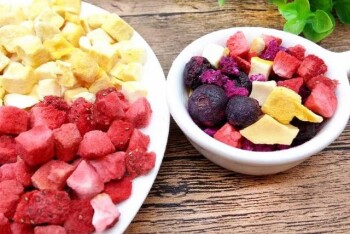
How Freeze-Drying Protects Delicate Biological Structures During Water Removal
Freeze-drying preserves biological samples by removing water without structural damage, ideal for vaccines, enzymes, and microbial cultures. Learn how it works.
Beyond the Spec Sheet: Matching Freeze Dryer Capabilities to Your Application's Critical Needs
Choose the right freeze dryer for pharma, food, or biotech. Key specs like cold trap temp, vacuum, and cooling rate impact drying speed and product quality.
Four Major Advantages of Molecular Distillation Over Traditional Distillation
Exploring the key benefits of molecular distillation in comparison to traditional methods.

Application of Molecular Distillation Technology in Daily-Use Chemical Industry
Exploring the use of molecular distillation in enhancing the quality and purity of daily chemical products.

Molecular Distillation: An Efficient Separation and Purification Technology
Explore the principles, applications, and benefits of molecular distillation in various industries.

Molecular Distillation Techniques in Chinese and Western Pharmacology
Explores the differences in molecular distillation applications between traditional Chinese medicine and Western pharmaceuticals.
Basic Laboratory Refrigeration Equipment
Overview of essential refrigeration tools for labs.
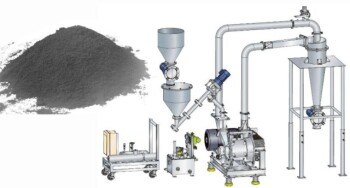
Techniques and Methods of Freeze Pulverization for Powdered Rubber
An overview of various methods for producing powdered rubber through freeze pulverization, including liquid nitrogen and air turbine expander cold methods.