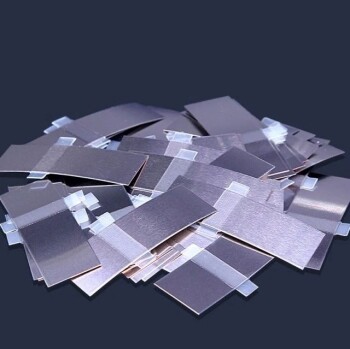
Nickel foam (Ni-foam) serves as a premier current collector for functionalized porous carbon electrodes due to its unique three-dimensional architecture, high electrical conductivity, and robust chemical stability. This combination allows the material to act as both a high-surface-area scaffold and an efficient highway for electron transport, directly reducing internal resistance and enhancing the longevity of electrochemical devices.
Core Takeaway: Nickel foam transforms the electrode from a simple flat surface into a volumetric conductive network, significantly lowering Equivalent Series Resistance (ESR) and facilitating higher mass loading of active materials for superior power and stability.
Structural Advantages of the 3D Network
Mechanical Support and Scaffolding
The three-dimensional porous structure of nickel foam provides a rigid mechanical framework that supports functionalized carbon materials. Unlike traditional planar collectors, this foam architecture physically anchors the active materials, preventing delamination during long-term operation.
Increased Mass Loading
Because the foam extends into the third dimension, it offers a significantly higher specific surface area compared to metal foils. This allows engineers to load a greater mass of active catalyst or carbon sites into a smaller footprint, increasing the overall energy density of the electrode.
Open Porous Architecture
The open-cell geometry ensures that the electrolyte can penetrate deep into the electrode structure. This accessibility is vital for ensuring that the "inner" parts of the functionalized carbon are just as electrochemically active as the surface layers.
Enhancing Electrochemical Efficiency
Rapid Electron Transport
Nickel foam possesses excellent electrical conductivity, creating a continuous path for electrons to move through the functionalized carbon network. This high conductivity is essential for maintaining performance during high-rate charge and discharge cycles.
Reduction of Equivalent Series Resistance (ESR)
By providing an integrated conductive path, Ni-foam effectively reduces the ESR of supercapacitors and batteries. A lower ESR means less energy is lost as heat, which improves the overall efficiency and power delivery of the system.
Improved Cycling Performance
The synergy between the foam's conductivity and its mechanical stability leads to enhanced cycling performance. The electrode can withstand repeated electrochemical stress without losing electrical contact, extending the operational lifespan of the device.
Performance in High-Current Applications
Efficient Gas Management
In applications involving gas evolution, such as electrolysis, the porous structure reduces resistance to bubble discharge. This prevents hydrogen or oxygen bubbles from masking active sites, ensuring that the catalyst remains effective even at high current densities.
Stability at Extreme Loads
Nickel foam is capable of withstanding the impact of high current densities exceeding 1000 mA/cm². This makes it an ideal substrate for industrial-scale applications where stability under heavy loads is a non-negotiable requirement.
Understanding the Trade-offs
Volumetric and Gravimetric Constraints
Nickel foam is inherently bulkier and heavier than thin metal foils or carbon cloth. For applications where weight and volume are critical—such as mobile electronics—the added mass of the foam may offset the gains in electrochemical performance.
Chemical Compatibility
While nickel is chemically stable in many alkaline and neutral environments, it can be susceptible to oxidation or corrosion in highly acidic electrolytes. If the nickel leaches into the electrolyte, it can contaminate the functionalized carbon and degrade the electrode's performance over time.
How to Apply This to Your Project
Making the Right Choice for Your Goal
When designing a functionalized porous carbon electrode, your choice of Ni-foam should align with your primary performance metrics.
- If your primary focus is high power density: Utilize Ni-foam to minimize ESR and facilitate rapid charge-transfer rates.
- If your primary focus is high mass loading: Leverage the 3D scaffold to maximize the amount of functionalized carbon per square centimeter of the electrode.
- If your primary focus is gas evolution (Electrolysis): Prioritize the open-pore structure of Ni-foam to prevent bubble masking and ensure stability at high current densities.
- If your primary focus is weight-sensitive applications: Consider evaluating thinner Ni-mesh or carbon-based collectors as alternatives to traditional foam.
By leveraging the 3D connectivity of nickel foam, you can overcome the kinetic limitations of traditional planar electrodes and achieve superior electrochemical stability.
Summary Table:
| Key Feature | Advantage for Porous Carbon Electrodes | Impact on Performance |
|---|---|---|
| 3D Architecture | Provides a rigid scaffold for high mass loading | Increases energy density and prevents delamination |
| High Conductivity | Creates a continuous electron transport highway | Reduces Equivalent Series Resistance (ESR) |
| Open Porosity | Facilitates deep electrolyte penetration | Ensures full utilization of active material sites |
| Gas Management | Reduces resistance to bubble discharge | Maintains stability at high current densities (>1000 mA/cm²) |
| Mechanical Robustness | Anchors functionalized carbon materials | Extends operational lifespan and cycling stability |
Elevate Your Electrochemical Research with KINTEK
Maximize the potential of your functionalized carbon electrodes with high-performance materials and equipment from KINTEK. As specialists in laboratory consumables and advanced engineering tools, we provide everything you need to bridge the gap from material synthesis to device testing.
Our extensive portfolio includes:
- High-Quality Electrodes & Electrolytic Cells: Perfect for testing Ni-foam and porous carbon configurations.
- Battery Research Tools: Specialized consumables and equipment designed for next-generation energy storage.
- Precision Furnaces: CVD, atmosphere, and muffle furnaces for precise carbon functionalization and heat treatment.
- Material Processing: Hydraulic presses, crushing systems, and high-purity crucibles for consistent sample preparation.
Whether you are optimizing power density or scaling up electrolysis applications, KINTEK delivers the reliability and technical support your project demands. Contact our experts today to find the right solutions for your lab!
References
- Dibyashree Shrestha. Applications of functionalized porous carbon from bio-waste of Alnus nepalensis in energy storage devices and industrial wastewater treatment. DOI: 10.1016/j.heliyon.2023.e21804
This article is also based on technical information from Kintek Solution Knowledge Base .
Related Products
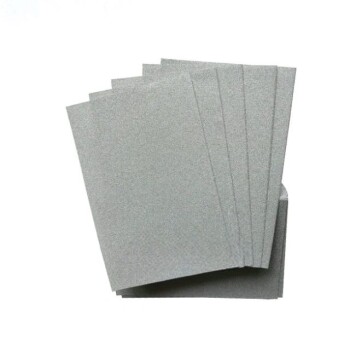
- Nickel Foam for Industrial and Laboratory Applications
- Copper Nickel Foam Metal Sheet
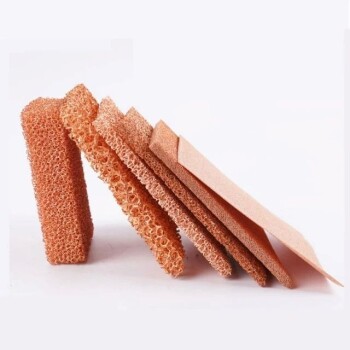
- Copper Foam
- High Purity Zinc Foil for Battery Lab Applications
- Nickel Aluminum Tabs for Soft Pack Lithium Batteries
People Also Ask
- What procedures should be followed after using nickel or copper foam? A Guide to Reliable Reuse and Performance
- What is nickel foam used for? A Guide to Its Electrochemical Applications
- In which fields is nickel foam widely used? A Key Material for Advanced Engineering
- What procedures should be followed before using nickel or copper foam? Ensure Optimal Performance and Reliability
- What are the advantages of using high-porosity Nickel Foam or Nickel Mesh? Boost Your MEC Performance