The primary advantages of using high-porosity Nickel Foam or Nickel Mesh in Microbial Electrolysis Cells stem from their interconnected three-dimensional porous structures. Unlike conventional flat plates, these materials provide a significantly larger specific surface area, which directly enhances electrochemical efficiency and optimizes the physical management of gas and liquid within the cell.
The unique morphology of Nickel Foam and Mesh maximizes the density of active sites for the Hydrogen Evolution Reaction while simultaneously facilitating easier hydrogen bubble detachment, resulting in reduced overpotential and superior hydrogen production rates.
Maximizing Reaction Potential Through Morphology
Exceptional Specific Surface Area
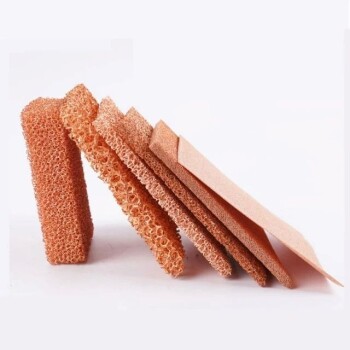
The defining characteristic of Nickel Foam and Nickel Mesh is their three-dimensional porous structure.
Unlike flat surfaces, this architecture creates a vast interior network. This significantly increases the specific surface area available for electrochemical reactions without increasing the overall footprint of the electrode.
Increasing Active Site Density
A higher surface area translates directly into a greater number of active sites where the Hydrogen Evolution Reaction (HER) can occur.
By maximizing the density of these active sites, the cathode can process more protons into hydrogen gas simultaneously.
Enhancing Electrochemical Efficiency
Lowering Local Current Density
The expansive surface area allows the total electrical current to be distributed more widely across the electrode material.
This distribution effectively lowers the local current density at any single point on the cathode. This helps maintain stable operation and reduces stress on specific areas of the material.
Reducing Overpotential
The abundance of active sites and improved distribution of current leads to a significant reduction in overpotential.
In practical terms, this means the system requires less excess energy to drive the hydrogen production reaction, making the entire process more energy-efficient.
Solving Mass Transport Challenges
Effective Electrolyte Diffusion
The open, porous nature of these materials allows the liquid electrolyte to flow freely through the electrode.
This facilitates electrolyte diffusion, ensuring that reactants are constantly replenished at the active sites inside the 3D structure, rather than just on the surface.
Superior Bubble Detachment
One of the most critical advantages is the improved physical management of gas. The structure effectively supports the detachment of hydrogen bubbles.
Rapid bubble release prevents gas from accumulating and blocking active sites, which directly contributes to substantially improved hydrogen recovery and production rates.
The Comparative Advantage
Overcoming the Limits of Flat Plates
When compared to conventional flat nickel plates, high-porosity materials solve the two biggest bottlenecks in electrolysis: limited reaction area and gas blockage.
By switching to foam or mesh, you move away from a geometry that restricts performance and toward one that actively facilitates high-throughput hydrogen generation.
Making the Right Choice for Your Goal
To determine if high-porosity Nickel is the right cathode choice for your specific application, consider your primary performance metrics:
- If your primary focus is maximizing production volume: These materials are essential because they facilitate rapid hydrogen bubble detachment, preventing active site blockage.
- If your primary focus is energy efficiency: The high density of active sites will help you lower the overpotential required to drive the Hydrogen Evolution Reaction.
Ultimately, leveraging the morphology of Nickel Foam or Mesh is a definitive method for upgrading the hydrodynamic and electrochemical performance of your Microbial Electrolysis Cell.
Summary Table:
| Feature | Benefit of Nickel Foam/Mesh | Impact on Performance |
|---|---|---|
| Surface Morphology | 3D interconnected porous structure | Significantly larger specific surface area |
| Active Site Density | High concentration of HER sites | Increased reaction rate per footprint |
| Current Density | Lowered local current density | Enhanced electrode stability and lifespan |
| Overpotential | Reduced energy barrier | Higher energy efficiency and lower power consumption |
| Mass Transport | Open-cell electrolyte diffusion | Constant replenishment of reactants |
| Gas Management | Rapid hydrogen bubble detachment | Prevention of site blockage and higher recovery |
Elevate Your Electrochemical Research with KINTEK
Are you looking to optimize your Microbial Electrolysis Cells (MECs) or hydrogen production systems? At KINTEK, we specialize in providing high-performance materials like nickel foam and mesh, alongside a comprehensive range of laboratory equipment including electrolytic cells, electrodes, and high-pressure reactors.
Our team understands the critical role of morphology in achieving superior electrochemical efficiency. Whether you are scaling up battery research or perfecting a hydrogen evolution setup, KINTEK offers the precision tools—from porous cathode materials to milling systems and high-temperature furnaces—to ensure your project succeeds.
Maximize your lab's output today. Contact us now to discuss your specific material needs and let our experts help you select the ideal solutions for your high-performance applications.
References
- Totok Eka Suharto, Kim Byung Hong. Recent Advancement of Nickel Based-Cathode for The Microbial Electrolysis Cell (MEC) and Its Future Prospect. DOI: 10.25103/jestr.151.24
This article is also based on technical information from Kintek Solution Knowledge Base .
Related Products
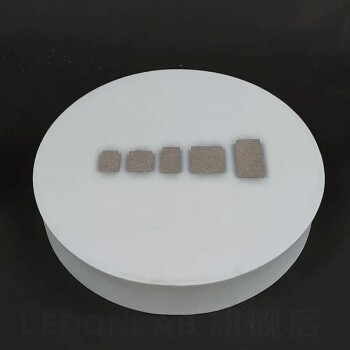
- Nickel Foam for Industrial and Laboratory Applications
- Copper Nickel Foam Metal Sheet
- Copper Foam
- High Purity Zinc Foil for Battery Lab Applications
- Nickel Aluminum Tabs for Soft Pack Lithium Batteries
People Also Ask
- What procedures should be followed after using nickel or copper foam? A Guide to Reliable Reuse and Performance
- What is nickel foam used for? A Guide to Its Electrochemical Applications
- In which fields is nickel foam widely used? A Key Material for Advanced Engineering
- What procedures should be followed before using nickel or copper foam? Ensure Optimal Performance and Reliability
- What are the advantages of nickel foam? Unlock Superior Performance in Energy & Catalysis