Thin Film Deposition Parts
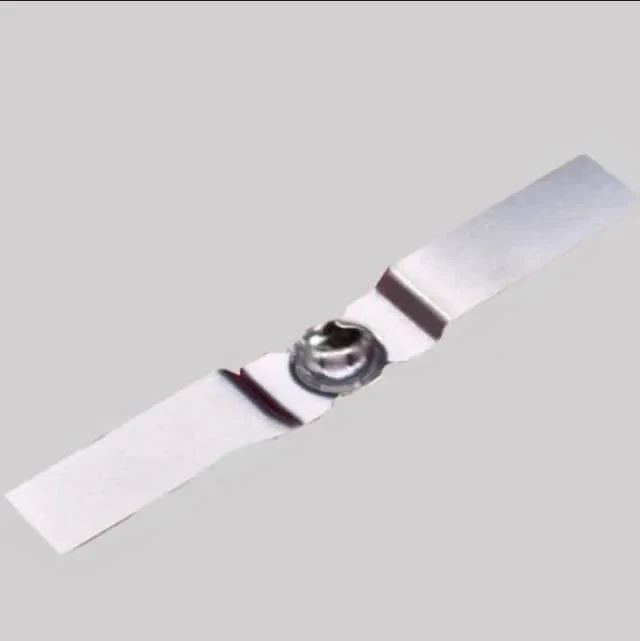
Hemispherical Bottom Tungsten Molybdenum Evaporation Boat
Item Number : KME-YD
Price varies based on specs and customizations
- Material
- Tungsten / Molybdenum
- Size
- customizable

Shipping:
Contact us to get shipping details Enjoy On-time Dispatch Guarantee.
Why Choose Us
Easy ordering process, quality products, and dedicated support for your business success.
Application
The hemispherical bottom tungsten evaporation boat is a versatile and cost-effective solution for high-efficiency thin film deposition. Its precise evaporation control minimizes material waste, lowers costs and ensures uniform evaporation across the industry. The boat is designed for small amounts of thin film material, reducing precious metal waste and optimizing heat dissipation. Achieve superior deposition, minimize waste and lower costs with this innovative evaporation boat.
- Semiconductor industry: Efficient material utilization, waste reduction, and manufacturing cost savings.
- Electronics Industry: Cost-effective thin film deposition of electronic components reduces material waste.
- Optical industry: It improves heat distribution and achieves uniform evaporation, which is an ideal choice for high-quality optical coatings.
- Jewelry industry: Compatible with precious metals such as gold plating and silver plating in jewelry manufacturing.
- Vacuum deposition system: suitable for different vacuum systems, including thin film solar cells and OLED displays.
- Thin film research and production: stable performance, compatible with a variety of materials, suitable for research and large-scale production.
Detail & Parts


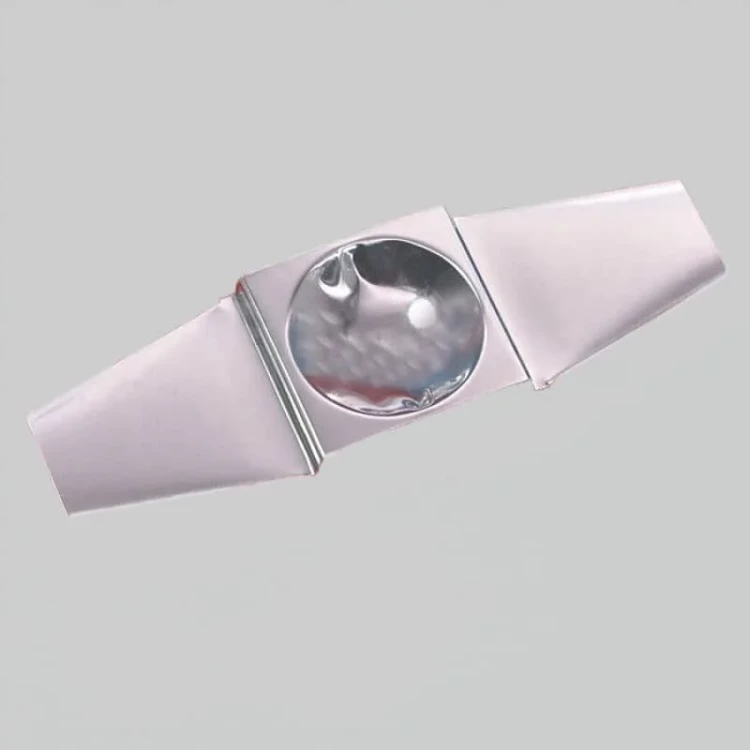


100* 19* 0.3mm (L*W*Thickness); Hemisphere: diameter 16.5 height 4.8mm
100*12.5*0.3mm (L*W*Thickness); Hemisphere: 11 in diameter and 3mm in height
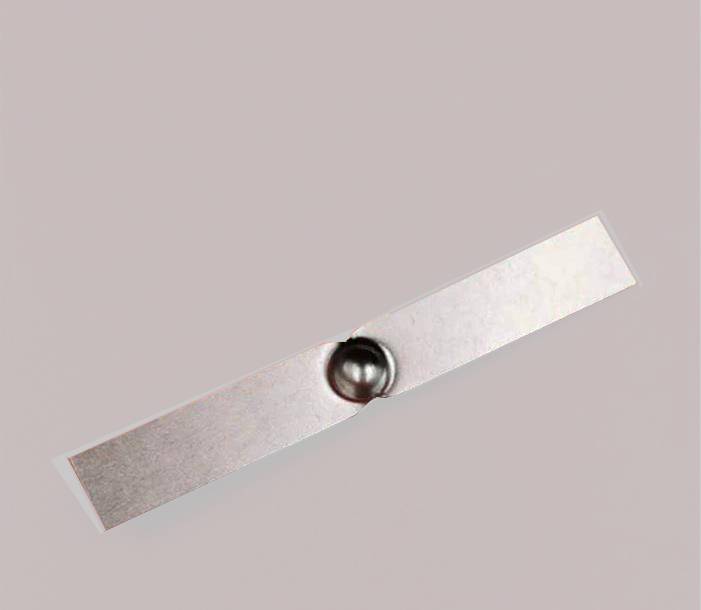
50 / 60 *7 *0.2mm (L*W*Thickness); Hemisphere: Diameter 6 Height 1.9mm;
100*11*0.3mm (L*W*Thickness)

The crucibles we show are available in different sizes and custom sizes are available on request.
Advantages
- Efficient material utilization: Minimize the waste of precious metals and thin film materials, and reduce material costs.
- Cost-effective: provide cost-effective solutions for thin film deposition processes.
- Enhanced heat distribution: ensures uniform evaporation and reduces heat dissipation, improving deposition quality.
- Stable and durable: high temperature resistance without deformation and damage, ensuring a longer service life.
- Versatility: suitable for gold, silver, platinum, palladium and other deposition processes.
- Easy to handle: The compact size and shape make it easy to handle and position in the evaporation chamber.
- Compatibility: It can be used with different vacuum deposition systems to increase its applicability.
- Consistent Performance: Provides reliable and reproducible results throughout the evaporation process.
- Reduced risk of contamination: Due to the properties of tungsten, the risk of material contamination is low.
- Long-term cost savings: Reduce material waste and increase efficiency, resulting in cost savings over time.
Trusted by Industry Leaders
FAQ
What Are Tungsten Boats?
What Are The Advantages Of Using Tungsten Boats?
What Are Thermal Evaporation Sources?
What Are The Main Types Of Thermal Evaporation Sources?
How Do Thermal Evaporation Sources Work?
What Are The Advantages Of Using Evaporation Boats?
What Are The Advantages Of Using Thermal Evaporation Sources?
What Is The Typical Lifespan Of An Evaporation Boat?
What Applications Are Thermal Evaporation Sources Used For?
Can Evaporation Boats Be Reused?
How Do You Select The Appropriate Evaporation Boat Material?
REQUEST A QUOTE
Our professional team will reply to you within one business day. Please feel free to contact us!
Related Products
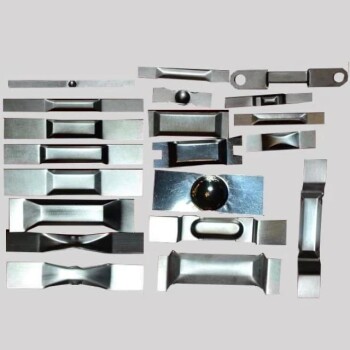
Molybdenum Tungsten Tantalum Special Shape Evaporation Boat
Tungsten Evaporation Boat is ideal for vacuum coating industry and sintering furnace or vacuum annealing. we offers tungsten evaporation boats that are designed to be durable and robust, with long operating lifetimes and to ensure consistent smooth and even spreading of the molten metals.
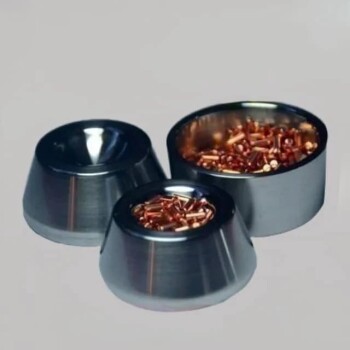
Electron Beam Evaporation Coating Gold Plating Tungsten Molybdenum Crucible for Evaporation
These crucibles act as containers for the gold material evaporated by the electron evaporation beam while precisely directing the electron beam for precise deposition.

Molybdenum Tungsten Tantalum Evaporation Boat for High Temperature Applications
Evaporation boat sources are used in thermal evaporation systems and are suitable for depositing various metals, alloys and materials. Evaporation boat sources are available in different thicknesses of tungsten, tantalum and molybdenum to ensure compatibility with a variety of power sources. As a container, it is used for vacuum evaporation of materials. They can be used for thin film deposition of various materials, or designed to be compatible with techniques such as electron beam fabrication.
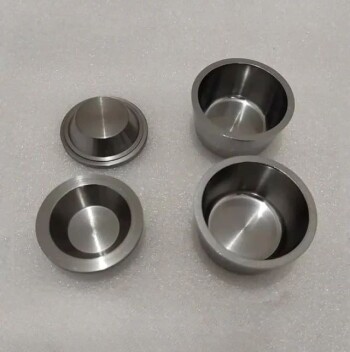
Electron Beam Evaporation Coating Tungsten Crucible and Molybdenum Crucible for High Temperature Applications
Tungsten and molybdenum crucibles are commonly used in electron beam evaporation processes due to their excellent thermal and mechanical properties.
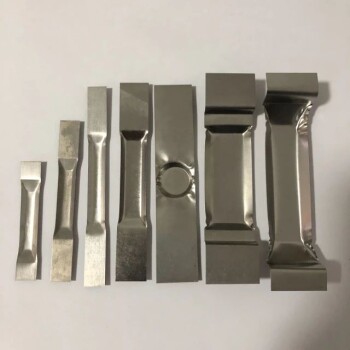
Tungsten Evaporation Boat for Thin Film Deposition
Learn about tungsten boats, also known as evaporated or coated tungsten boats. With a high tungsten content of 99.95%, these boats are ideal for high-temperature environments and widely used in various industries. Discover their properties and applications here.
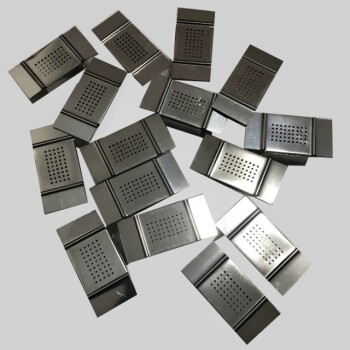
Folding Molybdenum Tantalum Boat With or Without Cover
Molybdenum boat is an important carrier for preparing molybdenum powder and other metal powders, with high density, melting point, strength and temperature resistance.

Aluminized Ceramic Evaporation Boat for Thin Film Deposition
Vessel for depositing thin films; has an aluminum-coated ceramic body for improved thermal efficiency and chemical resistance. making it suitable for various applications.

Ceramic Evaporation Boat Set Alumina Crucible for Laboratory Use
It can be used for vapor deposition of various metals and alloys. Most metals can be evaporated completely without loss. Evaporation baskets are reusable.1

Evaporation Boat for Organic Matter
The evaporation boat for organic matter is an important tool for precise and uniform heating during the deposition of organic materials.
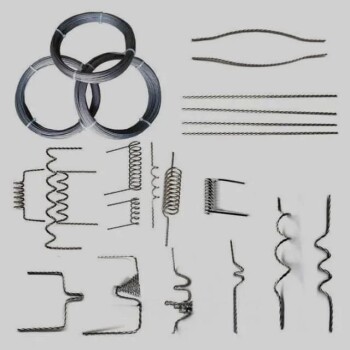
Thermally Evaporated Tungsten Wire for High Temperature Applications
It has a high melting point, thermal and electrical conductivity, and corrosion resistance. It is a valuable material for high temperature, vacuum and other industries.

High Purity Pure Graphite Crucible for Evaporation
Vessels for high temperature applications, where materials are kept at extremely high temperatures to evaporate, allowing thin films to be deposited on substrates.

Electron Beam Evaporation Coating Oxygen-Free Copper Crucible and Evaporation Boat
Electron Beam Evaporation Coating Oxygen-Free Copper Crucible enables precise co-deposition of various materials. Its controlled temperature and water-cooled design ensure pure and efficient thin film deposition.

Vacuum Heat Treat and Molybdenum Wire Sintering Furnace for Vacuum Sintering
A vacuum molybdenum wire sintering furnace is a vertical or bedroom structure, which is suitable for withdrawal, brazing, sintering and degassing of metal materials under high vacuum and high temperature conditions. It is also suitable for dehydroxylation treatment of quartz materials.

Molybdenum Vacuum Heat Treat Furnace
Discover the benefits of a high-configuration molybdenum vacuum furnace with heat shield insulation. Ideal for high-purity, vacuum environments like sapphire crystal growth and heat treatment.
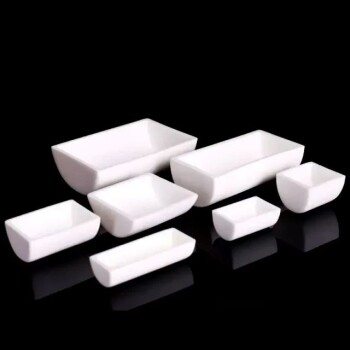
Alumina Al2O3 Ceramic Crucible Semicircle Boat with Lid for Engineering Advanced Fine Ceramics
Crucibles are containers widely used for melting and processing various materials, and semicircular boat-shaped crucibles are suitable for special smelting and processing requirements. Their types and uses vary by material and shape.
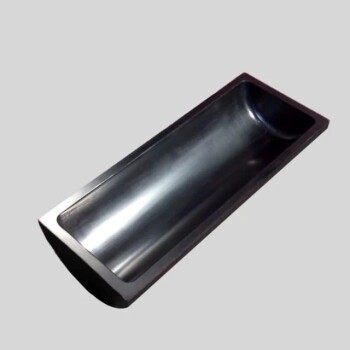
Carbon Graphite Boat -Laboratory Tube Furnace with Cover
Covered Carbon Graphite Boat Laboratory Tube Furnaces are specialized vessels or vessels made of graphite material designed to withstand extreme high temperatures and chemically aggressive environments.
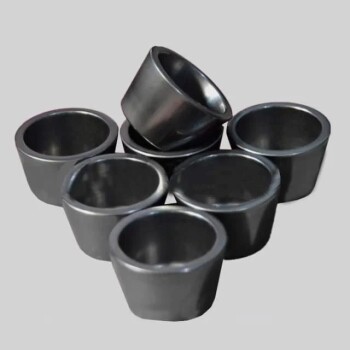
High Purity Pure Graphite Crucible for Electron Beam Evaporation
A technology mainly used in the field of power electronics. It is a graphite film made of carbon source material by material deposition using electron beam technology.
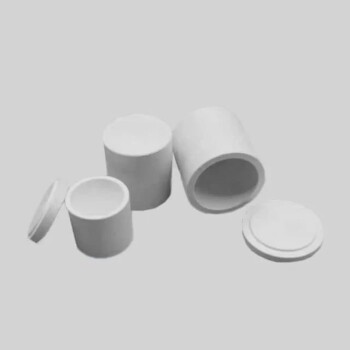
Evaporation Crucible for Organic Matter
An evaporation crucible for organic matter, referred to as an evaporation crucible, is a container for evaporating organic solvents in a laboratory environment.
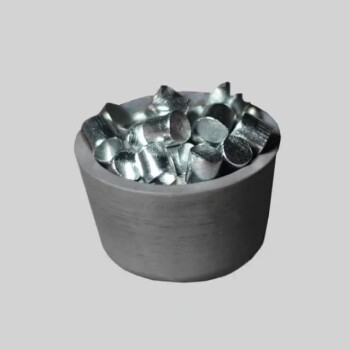
Electron Beam Evaporation Coating Conductive Boron Nitride Crucible BN Crucible
High-purity and smooth conductive boron nitride crucible for electron beam evaporation coating, with high temperature and thermal cycling performance.
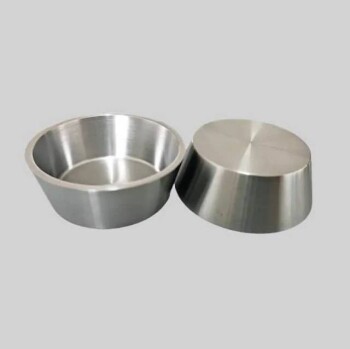
E Beam Crucibles Electron Gun Beam Crucible for Evaporation
In the context of electron gun beam evaporation, a crucible is a container or source holder used to contain and evaporate the material to be deposited onto a substrate.
Related Articles
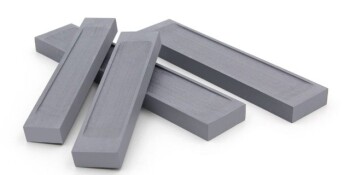
Understanding Evaporation Boats in Vacuum Coating
An in-depth look at evaporation boats, their materials, arrangement, temperature control, and corrosion issues in vacuum coating processes.
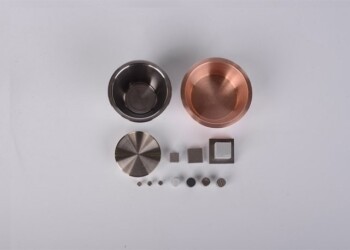
Types of Evaporation Sources for Evaporative Coating
Explore different evaporation sources used in thin film deposition, including filaments, crucibles, and evaporation boats.

Parameters Affecting Sputtering Effect in Magnetron Sputtering Process
Key parameters influencing the sputtering effect in magnetron sputtering, including air pressure, power, target distance, substrate type, and more.

Precautions for Preparing Lead Zirconate Titanate (PZT) Film Layers by Magnetron Sputtering
Guidelines and precautions for preparing PZT film layers using magnetron sputtering.
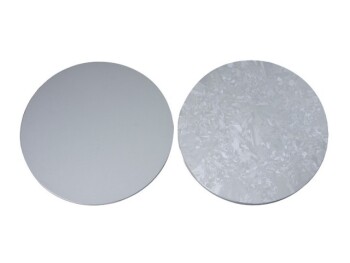
Causes of Orange Peel on Polysilicon Tube Sputtering Targets
Explores factors leading to orange peel on sputtering targets, including process parameters, target quality, and equipment issues.
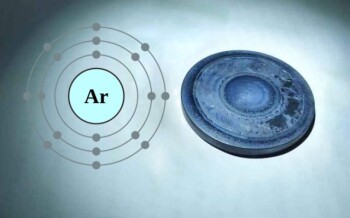
Understanding and Preventing Magnetron Sputtering Target Poisoning
Discusses the phenomenon of target poisoning in magnetron sputtering, its causes, effects, and preventive measures.

Target Material Sparking During Magnetron Sputtering Coating: Causes and Solutions
Explains why target material sparks during magnetron sputtering and offers solutions to prevent it.
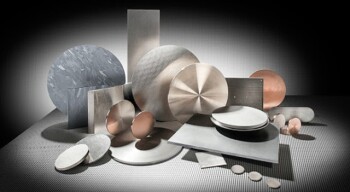
Comprehensive Analysis of Magnetron Sputtering Targets
An in-depth exploration of magnetron sputtering targets, their requirements, principles, types, and performance factors.
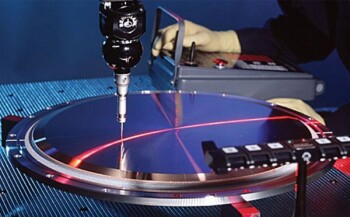
Introduction to the Casting Process for Sputtering Targets
A comprehensive guide to the casting process for sputtering targets, including suitable materials, advantages, and detailed process steps.
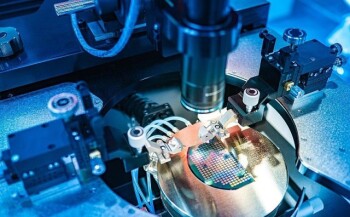
Comprehensive Classification and Application of Magnetron Sputtering Targets
This article details the classification, applications, and principles of magnetron sputtering targets across various industries.
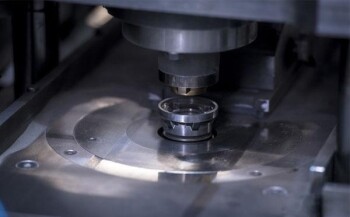
Manufacturing Sputtering Targets Using Powder Metallurgy
Detailed process and applications of powder metallurgy in manufacturing sputtering targets.
Introduction to Sputtering Targets
An overview of sputtering targets, their types, and key parameters like purity, density, and grain size.