Fine ceramics are essential materials in numerous industries, providing high temperature resistance, wear resistance, and excellent insulation. Our product range includes Alumina (Al2O3) Plates, Zirconia Ceramic Gaskets, Boron Nitride (BN) Ceramic Parts, and more. Each product is designed to meet specific industrial needs, ensuring durability and performance in extreme conditions.
Toggle Categories
Get Instant Support
Choose your preferred way to connect with our team
Response Time
Within 8 hours on working days, 24 hours on holidays
fine ceramics


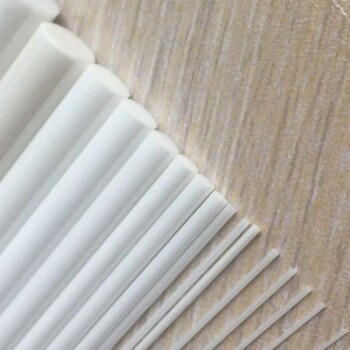

High Purity Alumina Granulated Powder for Engineering Advanced Fine Ceramics
Item Number: KM-P02
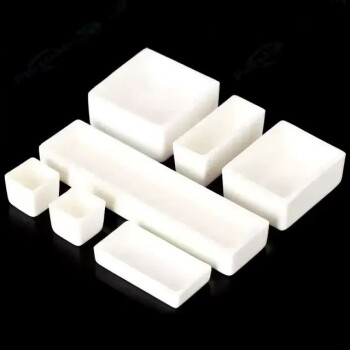
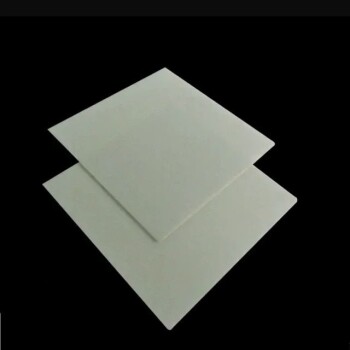
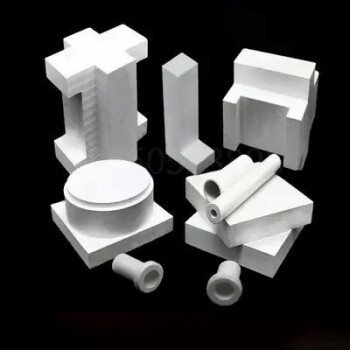
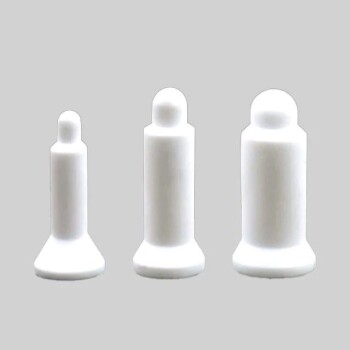
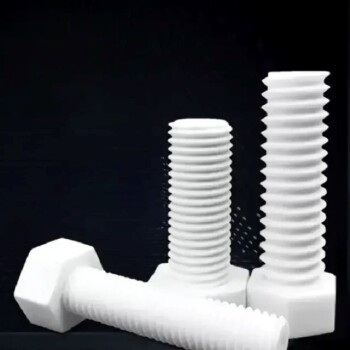
Advanced Engineering Fine Ceramics Boron Nitride (BN) Ceramic Parts
Item Number: KM-P01

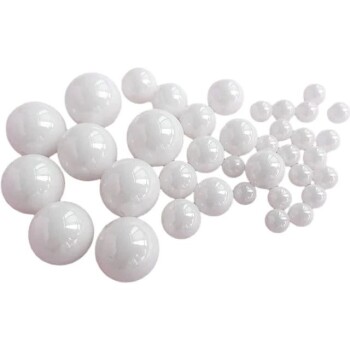
Precision Machined Zirconia Ceramic Ball for Engineering Advanced Fine Ceramics
Item Number: KM-G03
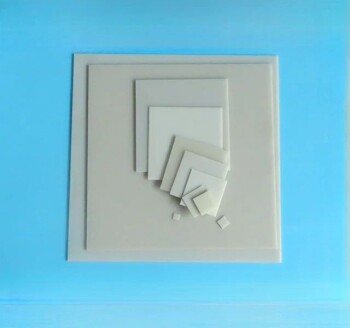
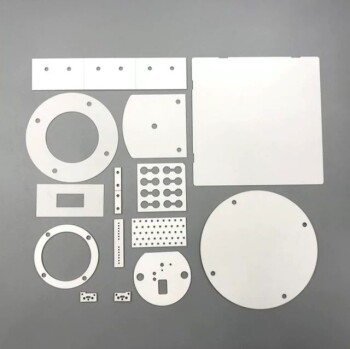
Advanced Engineering Fine Ceramics Aluminum Nitride (AlN) Ceramic Sheet
Item Number: KM-DG05
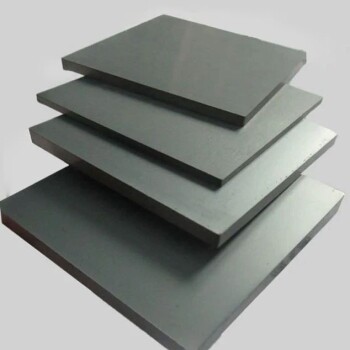
Silicon Carbide (SIC) Ceramic Plate for Engineering Advanced Fine Ceramics
Item Number: KM-DG03
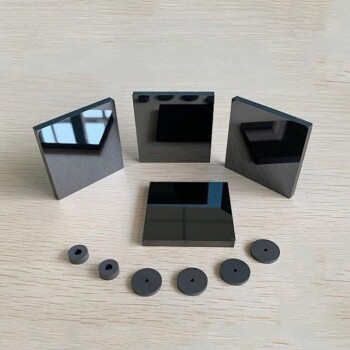
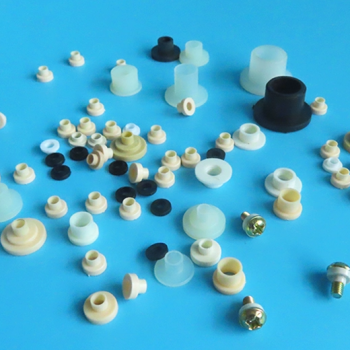
Zirconia Ceramic Gasket Insulating Engineering Advanced Fine Ceramics
Item Number: KM-G04

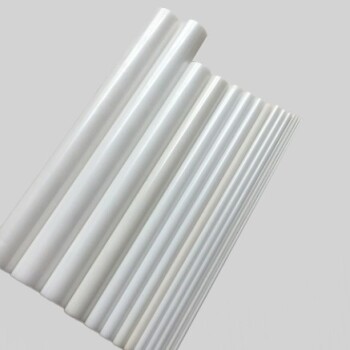
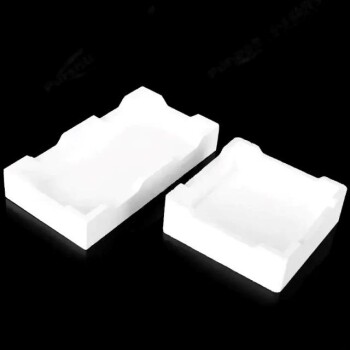
Advanced Engineering Fine Ceramics Alumina Ceramic Saggar for Fine Corundum
Item Number: KM-C05
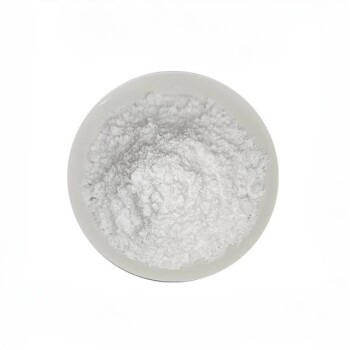
Advanced Engineering Fine Ceramics Low Temperature Alumina Granulation Powder
Item Number: KM-P03
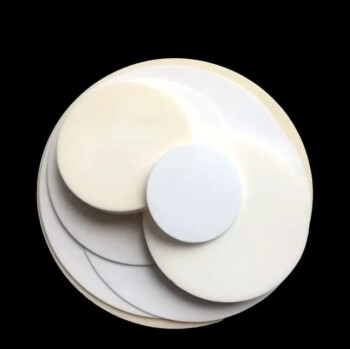
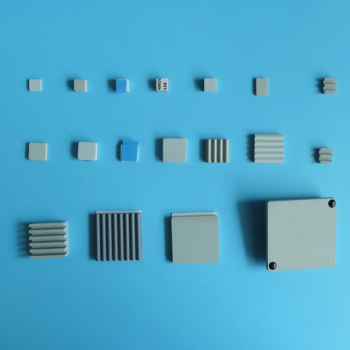
Engineering Advanced Fine Ceramics Aluminum Oxide Al2O3 Heat Sink for Insulation
Item Number: KM-C013

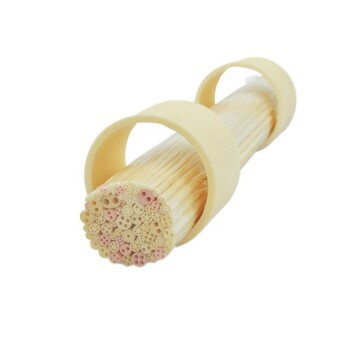
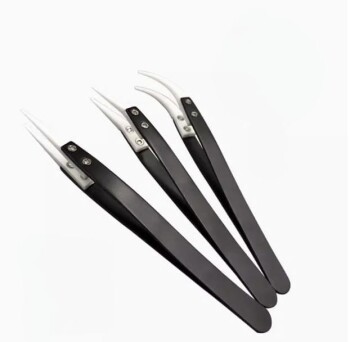
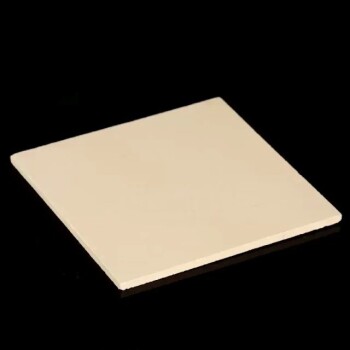
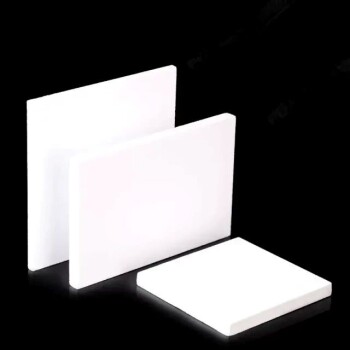
Advanced Fine Ceramics for Diverse Applications
Fine ceramics, also known as technical ceramics or advanced ceramics, are engineered materials with superior properties that make them indispensable in various high-tech industries. Our fine ceramics are crafted to withstand extreme conditions, offering high temperature resistance, wear resistance, and excellent electrical and thermal insulation.
Key Features and Benefits
- High Temperature Resistance: Our fine ceramics are designed to perform reliably in high-temperature environments, making them ideal for applications in furnaces, kilns, and other heat-intensive processes.
- Wear Resistance: With exceptional wear resistance, these ceramics are perfect for components that experience high mechanical stress, such as bearings, seals, and cutting tools.
- Excellent Insulation: Our fine ceramics provide superior electrical and thermal insulation, making them crucial for applications in electronics, aerospace, and energy sectors.
- Chemical Resistance: Fine ceramics exhibit excellent resistance to chemical corrosion, ensuring long-term performance in harsh chemical environments.
Applications Across Industries
Fine ceramics are used in a wide range of applications across various industries:
- Industrial Manufacturing: Used in furnaces, kilns, and metal melting processes for their high temperature and chemical resistance.
- Electronics: Providing insulation and protection in electronic components and devices.
- Aerospace: Essential for components that must withstand extreme temperatures and mechanical stress.
- Medical: Used in medical implants and devices due to their biocompatibility and durability.
Customization and Professional Services
At Kintek Solution, we understand that each application has unique requirements. That's why we offer customization services to tailor our fine ceramics to your specific needs. Our team of experts works closely with you to design and produce ceramics that meet your exact specifications.
Whether you need custom shapes, sizes, or properties, our advanced manufacturing capabilities ensure that you get the perfect solution for your application. We pride ourselves on our professionalism and commitment to quality, ensuring that every product we deliver meets the highest standards.
Why Choose Us?
- Expertise: Our team has decades of experience in the ceramics industry, ensuring you receive the best products and services.
- Customization: We offer tailored solutions to meet your specific requirements.
- Quality Assurance: Our rigorous quality control processes ensure that every product meets the highest standards.
- Customer Support: We provide comprehensive support throughout the entire process, from initial consultation to after-sales service.
Get in Touch
Ready to explore how our fine ceramics can enhance your applications? Contact us today at [Contact Information] to discuss your needs or request a quote. Let us help you find the perfect solution for your next project.
FAQ
What Are The Main Applications Of Fine Ceramics?
Fine ceramics are used in various applications including tableware, cookware, wall tiles, and sanitaryware. They are also used in structural ceramics like bricks and roof tiles, refractories such as furnace and kiln insulation, metal crucibles, and in advanced technical ceramics for high-temperature applications.
What Are The Main Types Of Fine Ceramics?
The main types of fine ceramics include alumina (Al2O3), zirconia, boron nitride (BN), silicon carbide (SiC), and silicon nitride (SiN). Each type has unique properties suitable for different applications.
What Is The Principle Behind Fine Ceramics?
Fine ceramics are made through a process involving high-temperature sintering of raw materials to form dense, strong, and durable materials. The specific properties of each type of ceramic are determined by the chemical composition and microstructure achieved during the sintering process.
What Are The Advantages Of Using Fine Ceramics?
Fine ceramics offer several advantages including high temperature resistance, excellent electrical insulation, high hardness, wear resistance, chemical resistance, and low thermal expansion. These properties make them ideal for use in extreme environments and for specialized applications.
REQUEST A QUOTE
Our professional team will reply to you within one business day. Please feel free to contact us!
Related Articles
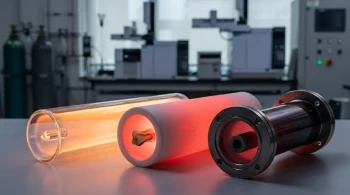
The Silent Partner: Why Your Furnace Tube Defines Your Experiment
Choosing a furnace tube isn't just about heat. It's a critical decision balancing physics, chemistry, and the risk of experimental failure.
Read more
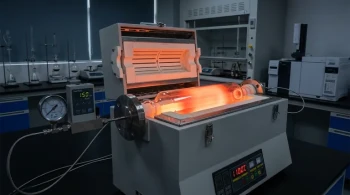
The Fragile Heart of Synthesis: Mastering the Physics of Tube Furnace Pressure
A tube furnace is not a pressure reactor. Exceeding its 0.2 bar limit risks catastrophic failure due to the physics of quartz and thermal shock.
Read more
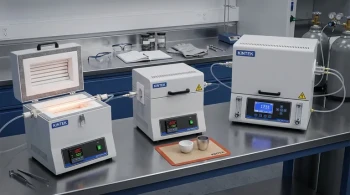
The Uniformity Trap: Why Your Tube Furnace's Most Important Spec Isn't Its Max Temperature
Maximum temperature is a misleading metric for furnaces. The key to repeatable results lies in understanding the uniform temperature zone.
Read more
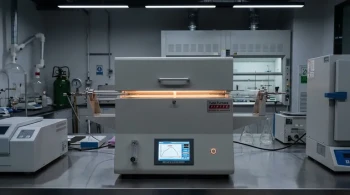
Beyond Heat: Why Thermal Uniformity is the Unsung Hero of Material Science
Discover how a tube furnace's elegant design—a synergy of geometry, insulation, and feedback loops—conquers thermal gradients for precise results.
Read more
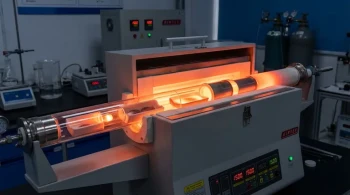
The Heart of the Heat: A Strategic Guide to Tube Furnace Materials
Choosing a tube furnace material is a critical trade-off between temperature, visibility, and durability. This guide explains how to select the right one.
Read more
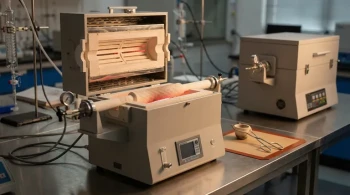
The Fragile Heart of Heat: A Guide to Tube Furnace Longevity
Unlock furnace reliability. Learn why gentle maintenance protocols prevent thermal shock, mechanical damage, and ensure process integrity.
Read more
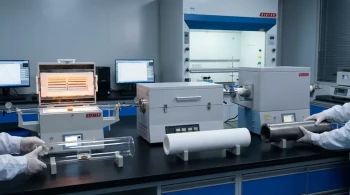
The Crucible's Choice: Why Your Furnace Tube Material Defines Experimental Success
Selecting a furnace tube is a critical trade-off between thermal resilience, chemical purity, and operational integrity. Make the right choice.
Read more
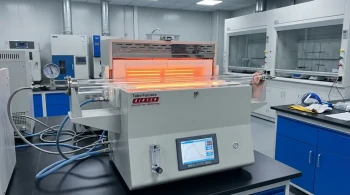
The Clockwork of Cooling: Why Inert Gas is the Unsung Hero of High-Temperature Furnaces
Discover how inert gas transforms furnace cooling from a passive wait into a precise, active process, mastering heat transfer to define material properties.
Read more
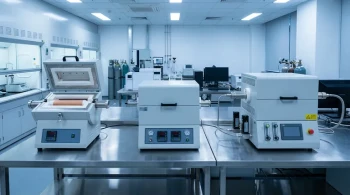
Beyond Temperature: The Three Critical Decisions in Tube Furnace Design
Choosing a tube furnace isn't about specs; it's about matching orientation, construction, and zone control to your specific thermal process.
Read more
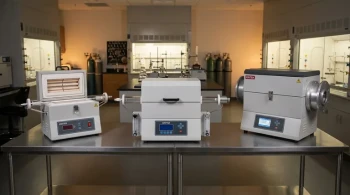
The First Principle of Heat: Choosing a Tube Furnace Beyond the Spec Sheet
Choosing a tube furnace isn't about max specs. It's aligning four core parameters—temperature, tube, atmosphere, and zones—with your process.
Read more
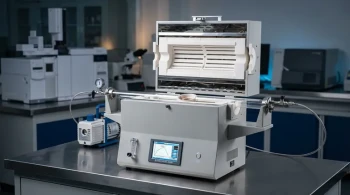
Mastering the Void: Why Control, Not Just Heat, Defines the Modern Tube Furnace
Discover how a tube furnace's design reflects a balance of precision, control, and compromise, and learn how to select the right tool for your lab.
Read more
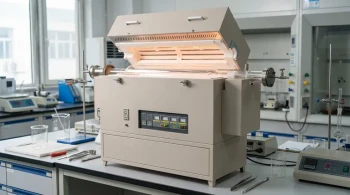
The Geometry of Heat: How a Tube Furnace's Architecture Defines Your Results
Choosing a tube furnace isn't about max temp, but matching its physical architecture—split vs. solid, single vs. multi-zone—to your process needs.
Read more
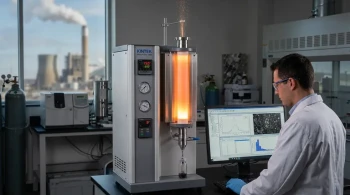
From Kilotons to Microns: The Crucial Role of the Drop Tube Furnace
Discover how drop tube furnaces provide particle-level data to model and optimize massive industrial reactors for combustion and gasification.
Read more
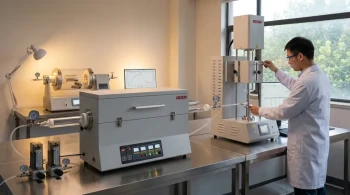
The Geometry of Precision: Why Furnace Orientation Dictates Experimental Success
Choosing a tube furnace isn't just about temperature. Its orientation—horizontal, vertical, or rotary—is a critical decision for your process.
Read more
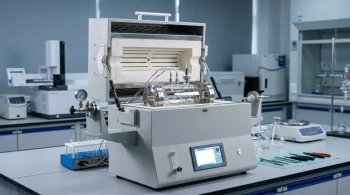
The Unsung Hinge: Why Split Tube Furnaces Are a Quiet Revolution in Lab Workflow
Split tube furnaces are more than a convenience; their hinged design solves a fundamental physical limitation, unlocking new experimental workflows.
Read more
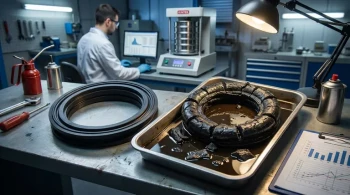
It’s Not a 'Bad Batch': Why Your High-Strength Rubber Parts Are Failing Prematurely
Frustrated by rubber components failing? The cause is rarely a 'bad batch.' Learn the real reason and how to select the right material every time.
Read more
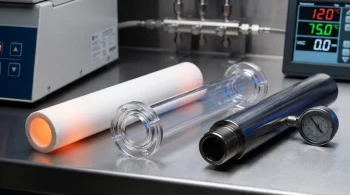
More Than a Vessel: The Physics and Psychology of Selecting a Furnace Tube
Choosing a furnace tube isn't a material spec; it's a strategic trade-off between temperature, purity, and pressure that defines your results.
Read more
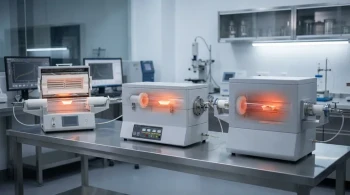
The Geometry of Control: Why the Tube Furnace Is More Than Just a Heater
Discover why a tube furnace's true power isn't just high heat, but its ability to create a perfectly uniform and controlled atmospheric environment.
Read more
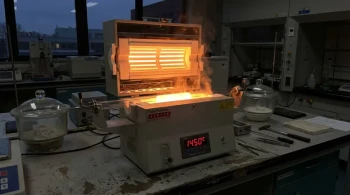
The Material Science of Limits: Navigating the 1450°C Trap in Tube Furnaces
Operating a tube furnace at its 1450°C limit makes its core a consumable, raising costs and risking failure. Understand the engineering trade-offs.
Read more
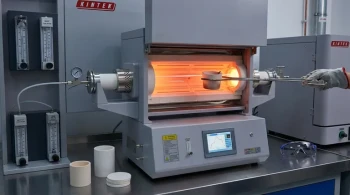
The Perfect Inferno: Mastering Heat Within a Tube Furnace
Explore the physics of tube furnaces, from Joule heating to the psychological discipline required for precise thermal control in materials science.
Read more