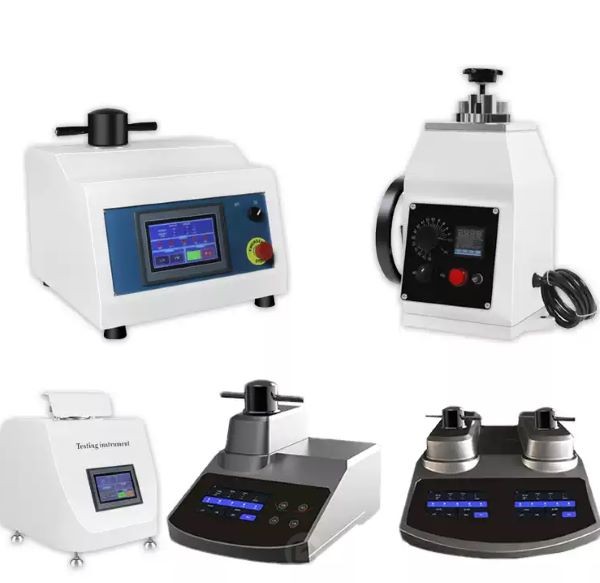
Mounting Machine
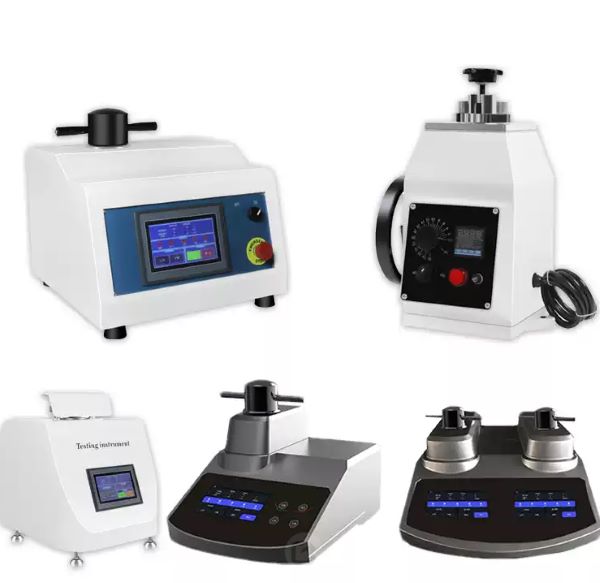
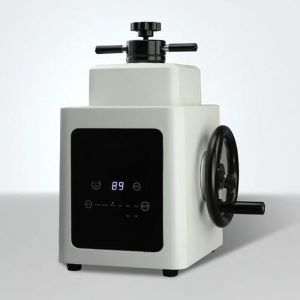
Metallographic Specimen Mounting Machine for Laboratory Materials and Analysis
Item Number : KT-XQ
Price varies based on specs and customizations
- Application
- Mounting small, difficult to hold or irregular metallographic and petrographic samples
- Control System
- Program-controlled operation
- Modes Available
- 1. Bakelite powder, 2. Electric jade powder, 3. User-defined options

Shipping:
Contact us to get shipping details Enjoy On-time Dispatch Guarantee.
Why Choose Us
Easy ordering process, quality products, and dedicated support for your business success.
Application: Precision Mounting for Diverse Laboratory Needs
Metallographic specimen mounting machines are indispensable in laboratories that require precise preparation of samples for detailed analysis. These machines are specifically designed to handle small, irregular, or fragile specimens that are challenging to manipulate manually. By encapsulating such samples in resins like bakelite or epoxy, the machine ensures they are securely held during subsequent cutting, grinding, polishing, or testing processes.
Key Applications Include:
- Metallurgical Analysis: Prepares metal samples for microstructure examination, hardness testing, or failure analysis. This is critical in industries such as automotive, aerospace, and construction, where material integrity directly impacts product performance.
- Petrographic Studies: Mounts rock or mineral specimens for geological research, enabling detailed observation of mineral composition and texture.
- Quality Control in Manufacturing: Ensures consistency in sample preparation for spectral detection or hardness tests, supporting compliance with industrial standards.
- Academic Research: Used in universities and R&D labs to prepare specimens for studies on material properties, corrosion resistance, or phase transformations.
- Forensic and Failure Analysis: Secures fragmented or delicate samples for detailed investigation into material failures or defects.
The ability to handle diverse materials—from metals and alloys to ceramics and composites—makes this machine a versatile asset in laboratories. Its programmable modes (e.g., bakelite, electric jade, or custom settings) allow users to tailor the mounting process to specific material requirements, ensuring optimal results for both soft and hard specimens.
Feature: Advanced Automation and User-Centric Design
Modern metallographic mounting machines integrate advanced automation and ergonomic features to streamline laboratory workflows. These features minimize manual intervention, reduce human error, and enhance reproducibility across batches.
Highlighted Features:
- Programmable Operation: Three preset modes (bakelite, electric jade, and custom) enable users to automate temperature, pressure, and curing time, ensuring consistent results.
- Unattended Operation: A built-in timer allows the machine to complete cycles autonomously, freeing technicians for other tasks.
- Adjustable Pressure and Temperature: Supports materials with varying hardness and thermal sensitivity, from delicate polymers to high-strength alloys.
- Safety Mechanisms: Overload protection, emergency stop buttons, and heat-resistant insulation ensure operator safety.
- Compact and Durable Construction: Designed for benchtop use, the machine features corrosion-resistant materials suitable for harsh lab environments.
- Easy Maintenance: Removable molds and accessible components simplify cleaning and part replacement.
These features make the machine ideal for high-throughput labs, where efficiency and precision are paramount. The user-friendly interface, often equipped with digital displays and tactile controls, further reduces the learning curve for new operators.
Principle: Precision Through Controlled Pressure and Heat
The metallographic mounting machine operates on a combination of controlled pressure, temperature, and vacuum to encapsulate specimens securely.
Core Working Principles:
- Vacuum Chamber Preparation: The sample is placed in a mold, and a vacuum is created to eliminate air bubbles that could compromise resin adhesion.
- Resin Infusion: Thermosetting resins (e.g., bakelite) are poured into the mold, surrounding the specimen.
- Pressure Application: Hydraulic or pneumatic systems apply uniform pressure to compress the resin, ensuring dense encapsulation without voids.
- Thermal Curing: The resin is heated to a precise temperature, triggering polymerization and hardening.
- Cooling and Demolding: After curing, the mounted sample is cooled and ejected automatically or manually.
This process ensures minimal distortion of the specimen’s microstructure, which is critical for accurate metallographic analysis. The integration of programmable logic controllers (PLCs) guarantees repeatability, while sensors monitor pressure and temperature in real time to prevent deviations.
Advantage: Enhancing Laboratory Efficiency and Accuracy
Investing in a metallographic mounting machine offers laboratories significant operational and analytical advantages.
Key Benefits:
- High Precision: Eliminates human error in sample preparation, ensuring consistent mounting quality for reliable test results.
- Time Savings: Reduces preparation time by up to 50% compared to manual methods, accelerating project timelines.
- Versatility: Compatible with a wide range of resins and specimen types, from microelectronic components to large industrial parts.
- Cost Efficiency: Minimizes material waste and rework, lowering long-term operational costs.
- Scalability: Suitable for both small academic labs and large industrial facilities, with options for batch processing.
By automating complex steps, this machine enhances lab productivity while maintaining stringent quality standards. Its robust design ensures longevity, making it a cost-effective solution for laboratories aiming to expand their analytical capabilities.
For tailored solutions or to discuss how this machine can meet your specific laboratory requirements, contact KINTEK today to request a consultation or detailed product specifications.
Technical specifications
Here's the markdown table for the metallographic sample mounting machine specifications:
| Parameter | Description |
|---|---|
| Application | Mounting small, difficult to hold or irregular metallographic and petrographic samples |
| Purpose | Facilitate cutting, grinding, polishing for metallographic, spectral detection or hardness testing |
| Control System | Program-controlled operation |
| Modes Available | 1. Bakelite powder 2. Electric jade powder 3. User-defined options |
| Automation | Program-controlled preparation time enables unattended operation |
| Ideal For | Laboratories in colleges, universities, and industrial/mining enterprises |
Trusted by Industry Leaders

REQUEST A QUOTE
Our professional team will reply to you within one business day. Please feel free to contact us!
Related Products
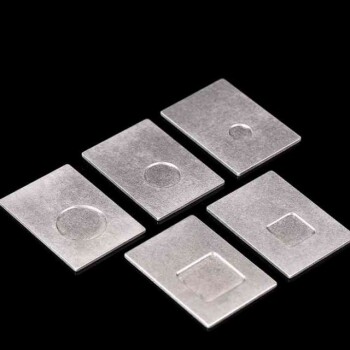
Customizable XRD Sample Holders for Diverse Research Applications
High-transparency XRD sample holders with zero impurity peaks. Available in square and round designs, and customizable to fit Bruker, Shimadzu, PANalytical, and Rigaku diffractometers.

Vacuum Cold Mounting Machine for Sample Preparation
Vacuum Cold Mounting Machine for precise sample prep. Handles porous, fragile materials with -0.08MPa vacuum. Ideal for electronics, metallurgy, and failure analysis.

XRD Sample Holder X-ray Diffractometer Powder Slide
X-ray powder diffraction (XRD) is a rapid technique for identifying crystalline materials and determining their unit cell dimensions.

XRF Boric Acid Lab Powder Pellet Pressing Mold for Laboratory Use
Get accurate results with our XRF Boric Acid lab Powder Pellet Pressing Mold. Perfect for preparing samples for X-ray fluorescence spectrometry. Custom sizes available.

Automatic High Temperature Heated Hydraulic Press Machine with Heated Plates for Lab
The High Temperature Hot Press is a machine specifically designed for pressing, sintering and processing materials in a high temperature environment. It is capable of operating in the range of hundreds of degrees Celsius to thousands of degrees Celsius for a variety of high temperature process requirements.

Manual Lab Heat Press
Manual hydraulic presses are mainly used in laboratories for various applications such as forging, molding, stamping, riveting and other operations. It allows the creation of complex shapes while saving material.
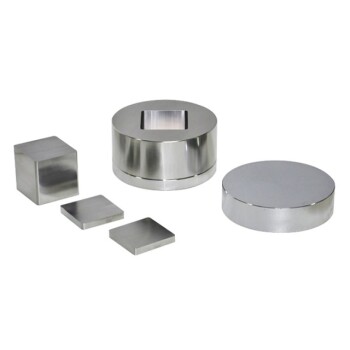
Square Lab Press Mold for Laboratory Applications
Create uniform samples easily with Square Lab Press Mold - available in various sizes. Ideal for battery, cement, ceramics, and more. Custom sizes available.
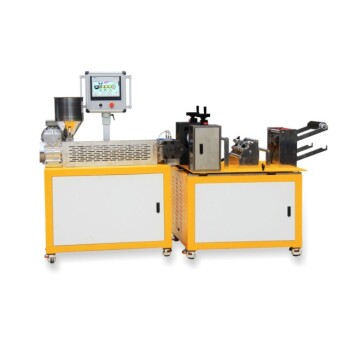
Lab Plastic PVC Calender Stretch Film Casting Machine for Film Testing
The cast film machine is designed for the molding of polymer cast film products and has multiple processing functions such as casting, extrusion, stretching, and compounding.

Sample Support Body for Electrochemical Tests
Improve your electrochemical tests with our Sample Support Body. High-quality and reliable for accurate results. Upgrade your research today.
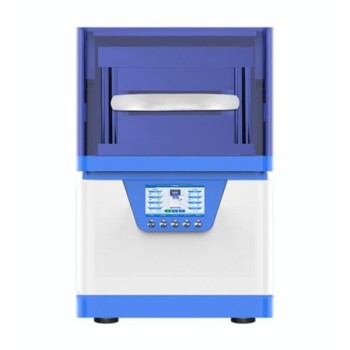
Automatic Laboratory Heat Press Machine
Precision automatic heat press machines for labs—ideal for material testing, composites, and R&D. Customizable, safe, and efficient. Contact KINTEK today!

Lab Infrared Press Mold
Easily release samples from our lab infrared press mold for accurate testing. Ideal for battery, cement, ceramics, and other sample preparation research. Customizable sizes available.

Laboratory manual slicer
Manual microtome is a high-precision cutting device designed for laboratories, industry and medical fields. It is suitable for the preparation of thin slices of various materials such as paraffin samples, biological tissues, battery materials, food, etc.
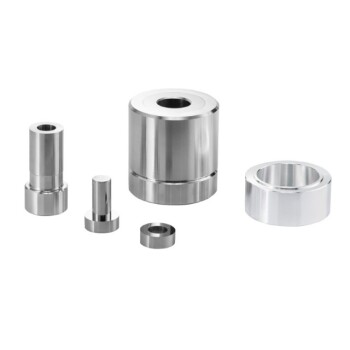
Ring Press Mold for Lab Applications
Ring Press Dies, also known as Circular Pellet Press Die Sets, are integral components in various industrial and laboratory processes.

Cylindrical Press Mold with Scale for Lab
Discover precision with our Cylindrical Press Mold. Ideal for high-pressure applications, it molds various shapes and sizes, ensuring stability and uniformity. Perfect for lab use.
Related Articles
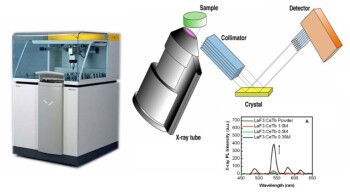
Techniques for Sample Preparation in X-Ray Fluorescence Analysis: Pressed and Loose Powder Methods
X-ray fluorescence (XRF) analysis is a common technique used for analyzing powders in various industries. When it comes to preparing powder samples for XRF analysis, there are two main methods: pressed powder method and loose powder method.The pressed powder method involves compressing the sample into a pellet or disk, while the loose powder method involves simply placing the sample into a cup or container. Each method has its advantages and disadvantages, and the choice of method depends on the specific requirements of the analysis.
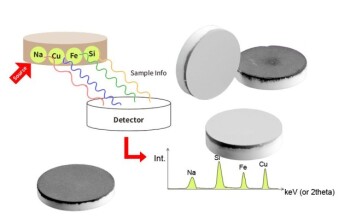
Why Most PELLET PRESS XRF SAMPLE PREPARATION Fail: Common Issues and Solutions
Discover the common pitfalls in PELLET PRESS XRF SAMPLE PREPARATION and learn effective solutions to ensure accurate results. Covers particle size, contamination, binder choice, and more.
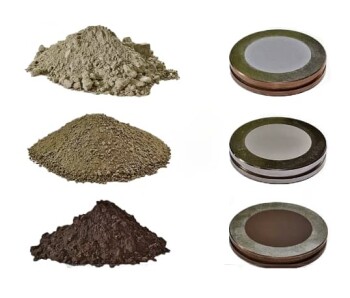
A Guide To PREPARE SAMPLES FOR XRF ANALYSIS
There are many ways to prepare samples for XRF analysis. The choice of method will also affect the time it takes to get results and the cost of the analysis.
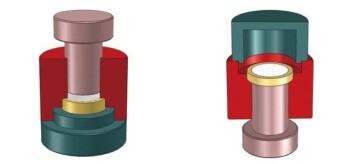
How To Turn XRF analysis sample preparation Into Success
In X-ray fluorescence (XRF) analysis, sample preparation is an important step because it can significantly impact both the quality and the efficiency of the analysis.