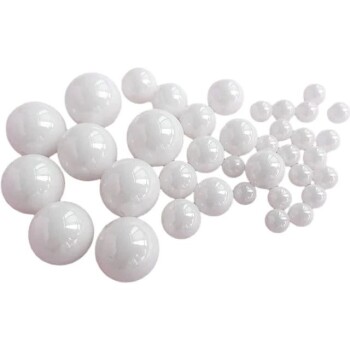
Zirconia grinding balls are the preferred media for Strontium Titanate (SrTiO3) grinding because they provide the ideal combination of extreme hardness, high density, and superior wear resistance. These properties allow for rapid particle size reduction through high-energy impacts while ensuring that the chemical purity and stoichiometry of the powder remain uncontaminated by media debris.
Core Takeaway: Zirconia media is essential for Strontium Titanate processing because it maximizes kinetic energy for efficient milling while its chemical inertness and durability prevent the introduction of impurities, ensuring a high-purity final product with a narrow particle size distribution.
Maximizing Grinding Efficiency and Kinetic Energy
The Role of High Density in Particle Refinement
Strontium Titanate and its derivatives often require reduction to the sub-micron or nano-scale to achieve desired dielectric or thermoelectric properties. High density is a critical characteristic of zirconia, as it provides the necessary kinetic energy to break down tough ceramic particles during high-speed ball milling.
Efficient Energy Transfer
The mass of zirconia balls ensures that each collision delivers significant impact energy. This efficiency shortens the required milling time, which is vital for maintaining the throughput of high-performance ceramic production.
Protecting Chemical Purity and Stoichiometry
Minimizing Impurities through Wear Resistance
Strontium Titanate is highly sensitive to its chemical environment, particularly when doped for specific applications like catalysts or thermoelectrics. The extreme hardness and wear resistance of zirconia mean that the media loses negligible mass during the milling process.
Chemical Inertness in High-Energy Environments
Because zirconia is chemically stable, it does not react with the powder or the solvent during mechanochemical synthesis. This prevents the introduction of metallic or oxide contaminants that would otherwise alter the powder's electrical or catalytic performance.
Maintaining Accurate Stoichiometry
In precision ceramics, even minor additions of debris from grinding media can shift the stoichiometric balance of the material. By resisting mechanical breakdown, zirconia ensures that the final SrTiO3 powder reflects the exact chemical composition intended by the researcher or engineer.
Achieving Uniform Particle Size Distribution
Impact Frequency and Media Diameter
To achieve a narrow particle size distribution, the media must provide consistent shear forces and a high frequency of contact points. Using small-diameter zirconia balls (such as 0.5 mm) increases the collision frequency within the grinding jar, leading to a more uniform and finer end product.
Stability During Long-Duration Milling
Intensive mixing and grinding cycles can last for several hours or even days. Zirconia’s durability ensures that the grinding dynamics remain stable throughout the entire process, as the media does not significantly change in size or shape over time.
Understanding the Trade-offs
High Initial Investment
The primary disadvantage of zirconia media is its higher cost compared to alumina, steel, or glass media. However, this cost is typically offset by the longevity of the media and the reduction in "scrap" material caused by contamination.
Heat Generation
The high-energy impacts produced by dense zirconia media can generate significant heat within the mill. If the material being processed is thermally sensitive, active cooling or interval milling may be required to prevent unwanted phase changes.
Equipment Compatibility
To fully realize the benefits of zirconia balls, they should ideally be used in zirconia-lined jars. Using high-hardness media in softer containers (like plastic or low-grade alumina) will lead to the rapid erosion of the jar itself, reintroducing the contamination the zirconia was meant to prevent.
Making the Right Choice for Your Goal
- If your primary focus is Maximum Chemical Purity: Use high-grade Yttria-Stabilized Zirconia (YSZ) to ensure the lowest possible wear rates and zero metallic contamination.
- If your primary focus is Ultrafine Particle Size: Opt for small-diameter (0.1 mm to 0.5 mm) zirconia beads to maximize contact points and collision density.
- If your primary focus is High-Throughput Production: Utilize the highest density zirconia available to maximize impact energy and reduce total milling time.
By selecting zirconia as your grinding media, you ensure that the integrity of your Strontium Titanate powder is maintained from raw precursor to final synthesized material.
Summary Table:
| Feature | Key Benefit | Impact on Strontium Titanate (SrTiO3) |
|---|---|---|
| High Density | Maximum Kinetic Energy | Rapid reduction to sub-micron or nano-scale |
| Extreme Hardness | Superior Wear Resistance | Prevents contamination and maintains stoichiometry |
| Chemical Inertness | Non-Reactive Surface | Ensures high purity in catalysts and thermoelectrics |
| Durability | Stable Grinding Dynamics | Consistent particle size distribution over long cycles |
Optimize Your Material Synthesis with KINTEK
Achieving the perfect sub-micron Strontium Titanate powder requires more than just a mill—it requires the right media. KINTEK specializes in high-performance laboratory equipment and consumables designed for precision material science. Our premium Yttria-Stabilized Zirconia (YSZ) grinding balls and zirconia-lined jars provide the extreme durability and chemical purity necessary for high-stakes research and production.
Beyond milling media, KINTEK offers a comprehensive range of solutions including:
- Crushing & Milling Systems: High-energy ball mills and specialized sieving equipment.
- High-Temperature Furnaces: Muffle, tube, and vacuum furnaces for sintering and heat treatment.
- Precision Presses: Hydraulic pellet, hot, and isostatic presses for sample preparation.
- Advanced Reactors: High-temperature high-pressure autoclaves and electrolytic cells.
Don't let media wear compromise your results. Let our experts help you select the ideal grinding configuration to enhance your lab's efficiency and product purity.
Contact KINTEK Today to Upgrade Your Lab Equipment
References
- Jan‐Helmut Preusker, Wolfgang Rheinheimer. Impact of AC and DC Electric Fields on the Microstructure Evolution in Strontium Titanate. DOI: 10.1002/adem.202201848
This article is also based on technical information from Kintek Solution Knowledge Base .
Related Products
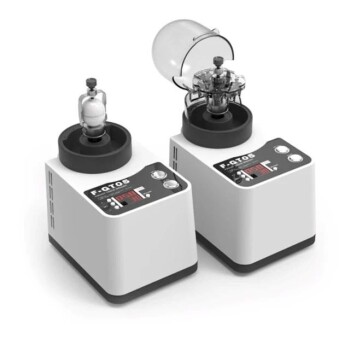
- Laboratory Jar Ball Mill with Alumina Zirconia Grinding Jar and Balls
- Precision Machined Zirconia Ceramic Ball for Engineering Advanced Fine Ceramics
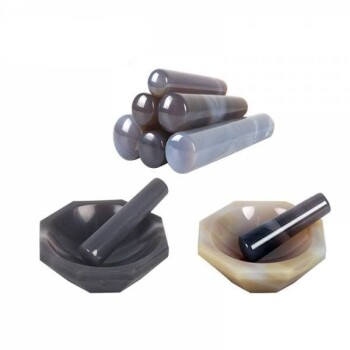
- Laboratory Jar Mill with Agate Grinding Jar and Balls
- Laboratory Ball Mill Jar Mill with Metal Alloy Grinding Jar and Balls
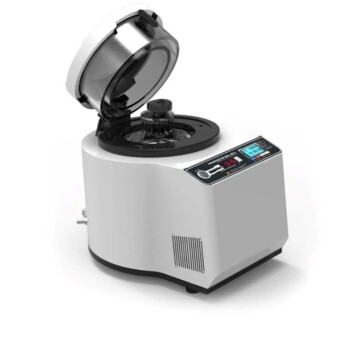
- High Energy Planetary Ball Mill Milling Machine for Laboratory
People Also Ask
- What are the primary functions of using a ball mill for BZCY72 powder? Achieve High Purity and Enhanced Sintering
- In what way does a laboratory ball mill affect material properties when modifying PHBV/pulp fiber composites?
- Why is a laboratory ball mill required for ultra-fine fly ash? Unlock Nano-Scale Adsorption Power
- What is the function of a laboratory ball mill in the preparation of AMMCs? Optimize Dispersion & Grain Refinement
- What is the function of a laboratory ball mill in the pretreatment of waste tire char (WTC)? Optimize Material Reactivity