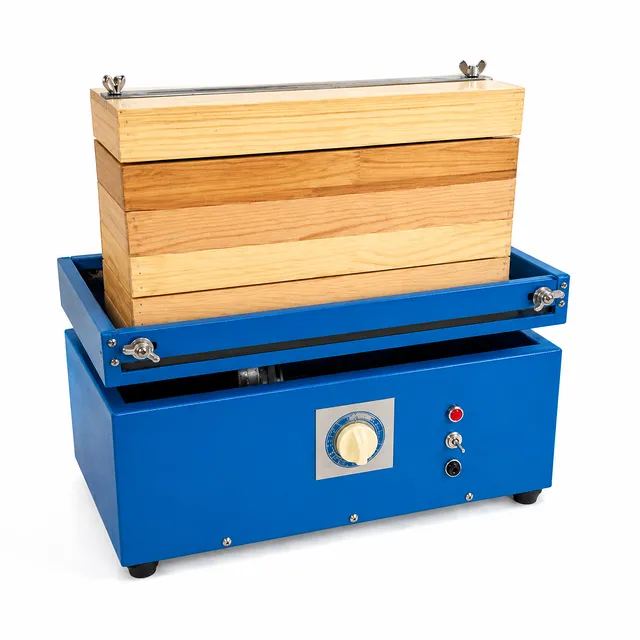
Sieving Machine
Laboratory Reciprocating Sieve Shaker Machine for Particle Size Analysis and Powder Separation
Item Number : KT-WF
Price varies based on specs and customizations
- Reciprocating Amplitude
- 40 mm
- Oscillation Frequency
- 240 strokes/min
- Sieve Plate Dimensions
- 300 × 220 mm

Shipping:
Contact us to get shipping details Enjoy On-time Dispatch Guarantee.
Why Choose Us
Easy ordering process, quality products, and dedicated support for your business success.
Product Overview
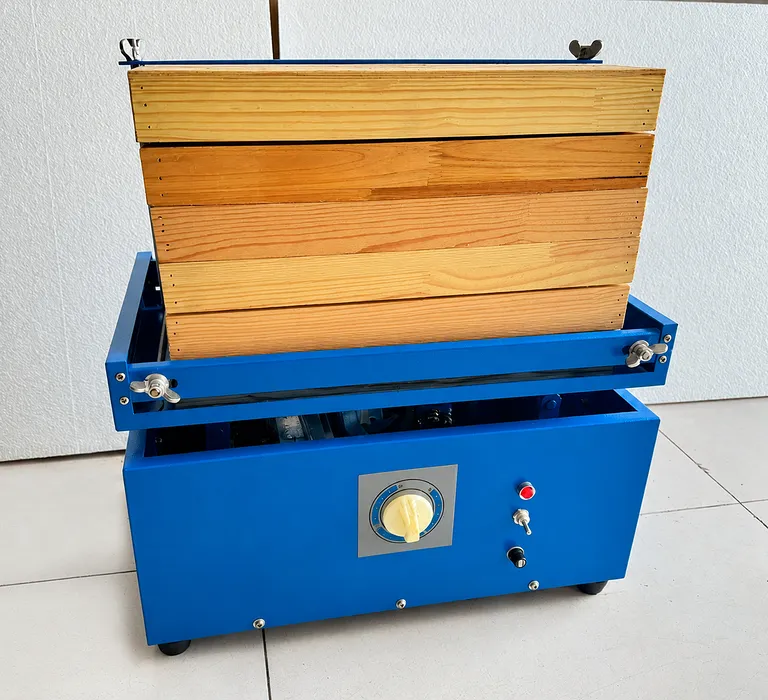
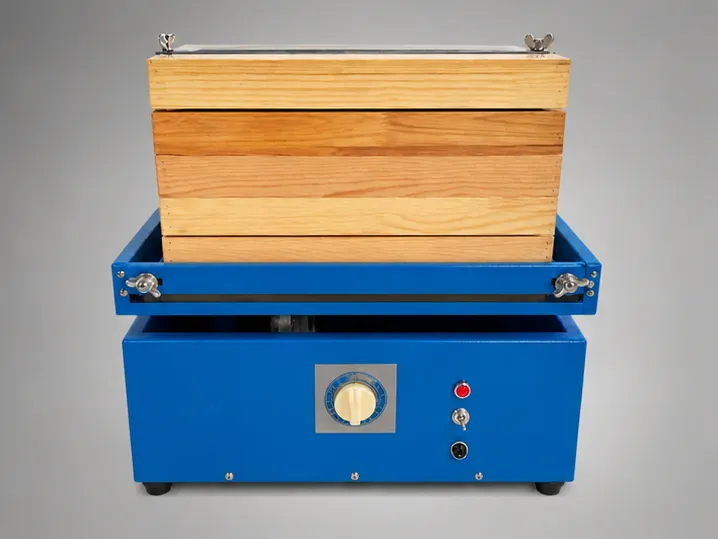
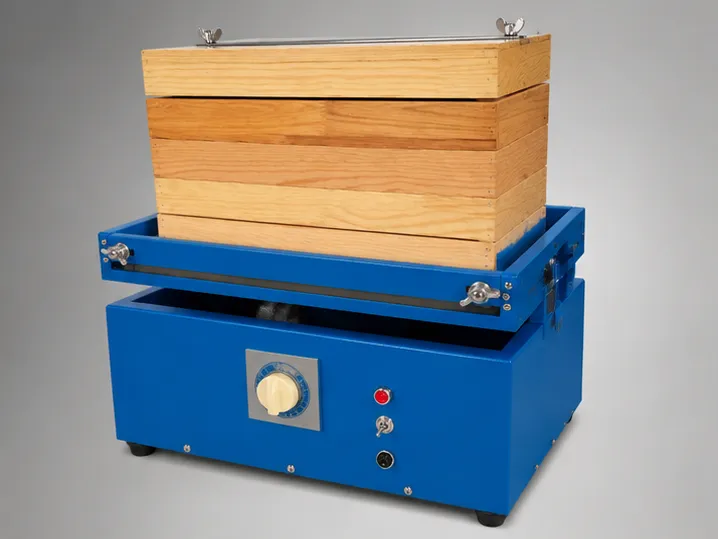
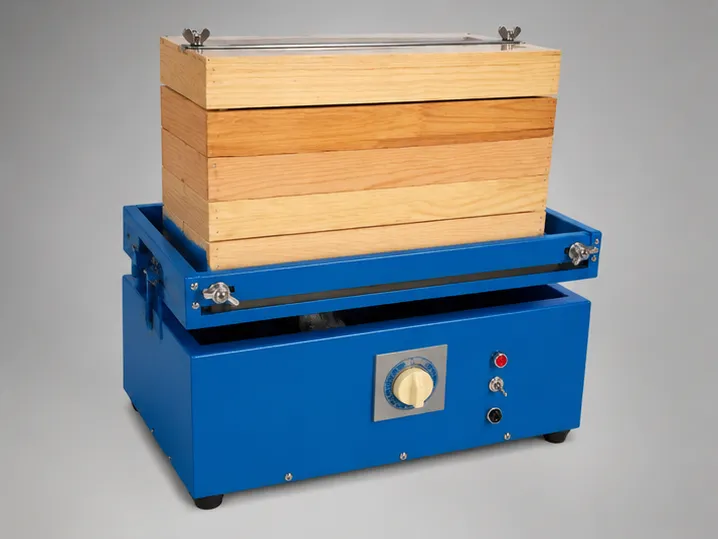
This automatic reciprocating sieve shaker is a heavy-duty particle classification instrument engineered for demanding analytical and quality-assurance laboratories. Built to deliver steady, linear horizontal displacement, the equipment accelerates particulate stratification and ensures rapid separation of bulk materials across specified mesh thresholds. By establishing a fixed, standardized motion profile, the system provides repeatable particle size distribution data while safeguarding sample structural integrity.
Designed primarily for testing facilities across geological prospecting, metallurgy, chemical manufacturing, building material processing, and pharmaceutical powder analysis, this unit easily accommodates diverse sample densities and granular profiles. Its straightforward mechanical architecture allows laboratory personnel to transition between single-fraction verification and multi-tier grain sorting with minimal setup overhead, making it an indispensable tool for both research trials and routine production quality control.
Crafted from high-grade, wear-resistant structural components, this machine guarantees exceptional operational stability under prolonged testing runs. The inclusion of an integrated electrical timing mechanism completely removes operator-dependent variability, ensuring that every analytical cycle adheres strictly to standardized test durations. Laboratories can depend on this unit for uncompromising measurement reproducibility, long-term mechanical reliability, and minimized routine maintenance.
Key Features
- Consistent Reciprocating Stroke Kinetics: Delivers an exact horizontal amplitude of 40 mm at an optimized operating frequency of 240 cycles per minute, generating superior material fluidization and rapid mesh passage across the entire screen deck.
- Precision Integrated Timer Control: Features an adjustable electrical timer spanning 0 to 16 minutes that automatically terminates operation at the targeted interval, eliminating human timing discrepancies and maximizing cross-batch reproducibility.
- Standardized Screen Deck Compatibility: Built with an expansive clamping bed engineered specifically for 300 × 220 mm rectangular sieve frames, facilitating versatile test configurations from single sieves to stacked multi-mesh arrangements.
- Rigid Slide-Rod Clamping System: Utilizes heavy-duty vertical guide rods and precision-threaded butterfly wing nuts to maintain uniform downward clamping force, preventing sieve chattering, frame displacement, and dust leakage during high-frequency agitation.
- High-Efficiency Low-Maintenance Powertrain: Houses an industrial-grade electric motor coupled to a balanced mechanical linkage system that operates smoothly under variable sample mass loads while minimizing frictional thermal build-up.
- Vibration-Damped Stable Geometry: Constructed with a low center of gravity and a reinforced base frame that isolates dynamic mechanical forces, ensuring rock-solid stability during continuous operation on standard workbenches or concrete laboratory floors.
- Simplified Cleaning and Sample Recovery: Features an open-access framework and smooth structural surfaces that allow rapid removal of test sieves and effortless collection of retained material fractions without cross-contamination.
- Standard Industrial Electrical Safety: Operates seamlessly on single-phase 220V electrical infrastructure with dedicated chassis grounding protocols, safeguarding lab technicians and electrical controls against line disturbances.
Applications
| Application | Description | Key Benefit |
|---|---|---|
| Geological & Mineral Exploration | Separation of crushed drill cores, mineral ores, and pulverized geological strata into distinct sizing fractions. | Eliminates manual shaking errors and handles high-density mineral aggregates without loss of kinematic stroke velocity. |
| Metallurgical Slag & Powder Quality Control | Granulometric verification of metal powders, foundry sands, sintering fluxes, and crushed blast furnace slag. | Provides uniform particle distribution profiling to ensure proper flowability and sintering density in metallurgical forming. |
| Construction Materials & Aggregate Sizing | Grading of fine aggregates, limestone powders, quarry sands, and dry cement constituents according to strict civil standards. | Robust drive linkage prevents binding or motor stall even when processing heavy, high-volume aggregate samples. |
| Chemical Granule & Resin Verification | Size classification of crystalline chemicals, polymer pellets, agricultural fertilizers, and powdered synthetic catalysts. | High-frequency horizontal shearing prevents static clumping and delivers rapid, dust-tight fractional classification. |
| Pharmaceutical & Cosmetic Excipient Testing | Fractionation of raw active pharmaceutical ingredients (APIs), binder powders, talc compounds, and cosmetic pigments. | Timed automated shutoff guarantees that delicate excipient materials are not degraded by excessive, unmonitored shaking cycles. |
| Environmental Soil & Sediment Profiling | Mechanical sorting of topsoil, dredged silt, dried riverbed sediments, and industrial remediation substrate samples. | Standardized reciprocal oscillation allows high reproducibility across multi-seasonal environmental profiling studies. |
| Refractory & Advanced Ceramics Processing | Particle classification of raw alumina, silicon carbide, zirconia grains, and technical refractory compounds. | Wear-resistant guide components withstand abrasive airborne particulates, sustaining long service life in mineral testing labs. |
| Agricultural Grain & Seed Sorting | Removal of foreign matter, broken husks, and undersized kernels from seed lots, harvested grains, and animal feedstocks. | Gentle yet thorough horizontal action ensures separation without damaging the fragile outer coats of viable seed specimens. |
Technical Specifications
| Specification Parameter | Engineering Detail / Value |
|---|---|
| Product Identifier | KT-WF |
| Reciprocating Amplitude (Stroke) | 40 mm |
| Oscillation Frequency | 240 strokes / minute (cycles/min) |
| Sieve Frame Plate Dimensions | 300 mm × 220 mm (Rectangular format) |
| Sieve Mounting Configuration | Single sieve or stacked multi-tier sieve arrangement |
| Integrated Timer Range | 0 – 16 minutes (Continuous adjustment dial) |
| Operational Shutoff Mode | Automatic timed shutoff (Manual stop required for runs exceeding 12 minutes) |
| Operating Voltage | 220V AC (Single-phase) |
| Clamping Mechanism | Dual vertical guide slide rods with heavy-duty butterfly wing nuts |
| Drive Transmission | Heavy-duty eccentric mechanical reciprocating linkage |
| Installation Profile | Horizontal mounting on laboratory benchtop or reinforced floor surface |
| Electrical Protection | Mandatory external chassis earth grounding terminal |
| Operational Duty Consideration | Routine cleaning and power disconnection required post-testing |
Why Choose This Product
- Engineered Kinetic Precision: The mechanically calibrated 40 mm stroke at 240 strokes per minute creates an optimal trajectory for bulk particle separation, avoiding the blind spots and dead zones common in basic rotational or vibratory shakers.
- Elimination of Human Experimental Error: By standardizing the agitation velocity and incorporating a dial-set timer, this equipment guarantees that comparative samples receive identical mechanical energy input, ensuring absolute repeatability across different operators and shifts.
- Robust Heavy-Duty Construction: Machined with resilient cast components and high-tensile slide rods, this unit is purposely engineered to withstand the demanding conditions of mining assay facilities, construction sites, and multi-shift industrial production labs.
- Effortless Ergonomic Operation: With straightforward locking mechanisms and intuitive electrical controls, operators can mount single or multi-tier 300 × 220 mm frames rapidly, significantly reducing preparation time per assay cycle.
- Superior Long-Term Return on Investment: Backed by high-precision mechanical tolerances, dependable single-phase 220V components, and dedicated after-sales engineering support, this shaker provides years of dependable, maintenance-free service.
Contact our technical sales team today to request a customized quote, discuss sieve mesh options, or determine the ideal configuration for your laboratory testing requirements.
Trusted by Industry Leaders

REQUEST A QUOTE
Our professional team will reply to you within one business day. Please feel free to contact us!
Related Products

Laboratory Vibratory Sieve Shaker Machine Slap Vibrating Sieve
KT-T200TAP is a slapping and oscillating sieving instrument for laboratory desktop use, with 300 rpm horizontal circular motion and 300 vertical slapping motions to simulate manual sieving to help sample particles pass through better.

Laboratory Test Sieves and Vibratory Sieve Shaker Machine
Efficiently process powders, granules, and small blocks with a high-frequency vibration sieve. Control vibration frequency, screen continuously or intermittently, and achieve accurate particle size determination, separation, and classification.
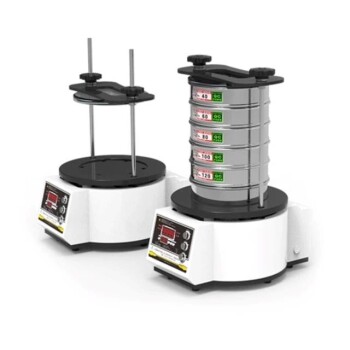
Vibratory Sieve Shaker Machine Dry Three-Dimensional Vibrating Sieve
The KT-V200 product focuses on solving common sieving tasks in the laboratory. It is suitable for sieving 20g-3kg dry samples.
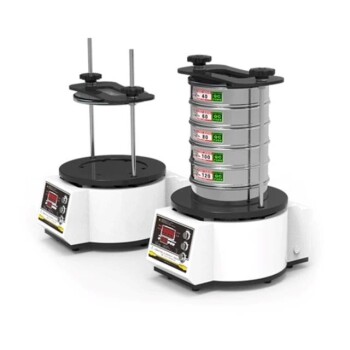
Laboratory Wet Three-Dimensional Vibratory Sieve Shaker Machine
The wet three-dimensional vibrating sieving instrument focuses on solving the sieving tasks of dry and wet samples in the laboratory. It is suitable for sieving 20g - 3kg dry, wet or liquid samples.
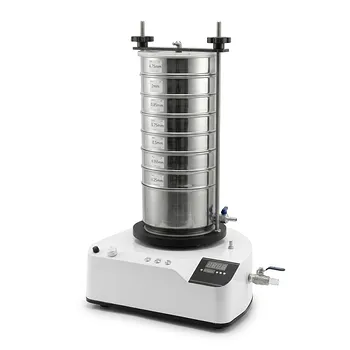
Laboratory Vibratory Sieve Shaker Machine for Dry and Wet Three-Dimensional Sieving
KT-VD200 can be used for sieving tasks of dry and wet samples in the laboratory. The screening quality is 20g-3kg. The product is designed with a unique mechanical structure and an electromagnetic vibrating body with a vibration frequency of 3000 times per minute.
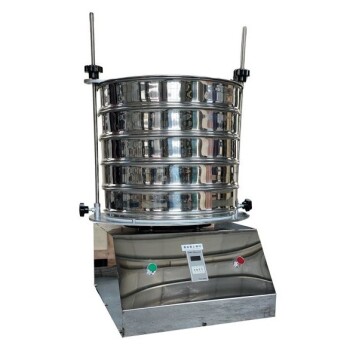
Laboratory Test Sieves and Sieving Machines
Precision lab test sieves & sieving machines for accurate particle analysis. Stainless steel, ISO-compliant, 20μm-125mm range. Request specs now!
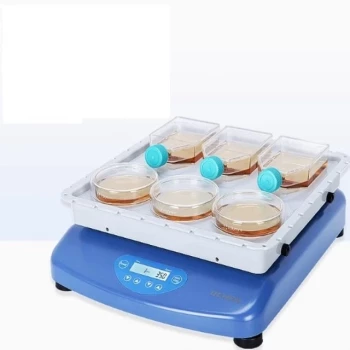
Laboratory Oscillating Orbital Shaker
Mixer-OT orbital shaker uses brushless motor, which can run for a long time. It is suitable for vibration tasks of culture dishes, flasks and beakers.

Three-dimensional electromagnetic sieving instrument
KT-VT150 is a desktop sample processing instrument for both sieving and grinding. Grinding and sieving can be used both dry and wet. The vibration amplitude is 5mm and the vibration frequency is 3000-3600 times/min.
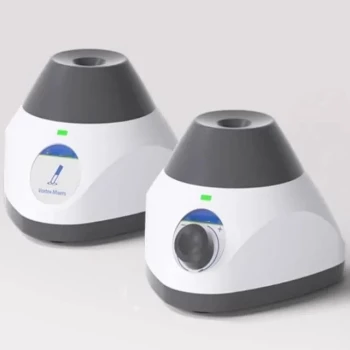
Laboratory Vortex Mixer Orbital Shaker Multifunctional Rotation Oscillation Mixer
The inching mixer is small in size, mixes quickly and thoroughly, and the liquid is in a vortex shape, which can mix all the test solutions attached to the tube wall.
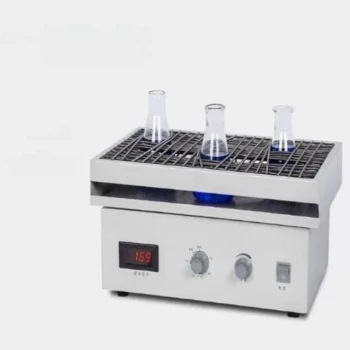
Laboratory Multifunctional Small Speed-Adjustable Horizontal Mechanical Shaker for Lab
The laboratory multifunctional speed-regulating oscillator is a constant-speed experimental equipment specially developed for modern bioengineering production units.
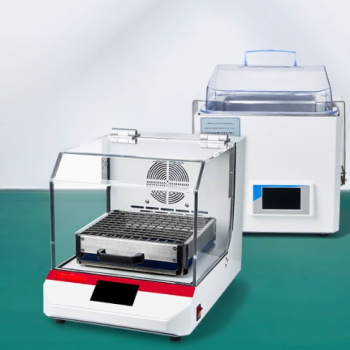
Shaking Incubators for Diverse Laboratory Applications
Precision lab shaking incubators for cell culture & research. Quiet, reliable, customizable. Get expert advice today!
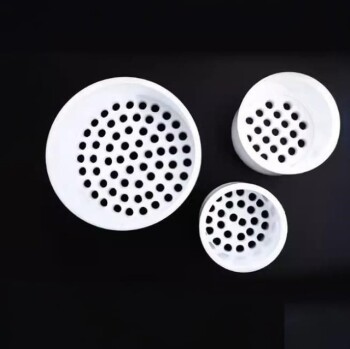
Custom PTFE Teflon Parts Manufacturer for PTFE Mesh F4 Sieve
PTFE mesh sieve is a specialized test sieve designed for particle analysis in various industries, featuring a non-metallic mesh woven from PTFE filament. This synthetic mesh is ideal for applications where metal contamination is a concern . PTFE sieves are crucial for maintaining the integrity of samples in sensitive environments, ensuring accurate and reliable results in particle size distribution analysis.