Blog How To Clean Laboratory Glassware - Part 2
How To Clean Laboratory Glassware - Part 2

How To Clean Laboratory Glassware - Part 2

4 years ago

Washing Special Glassware

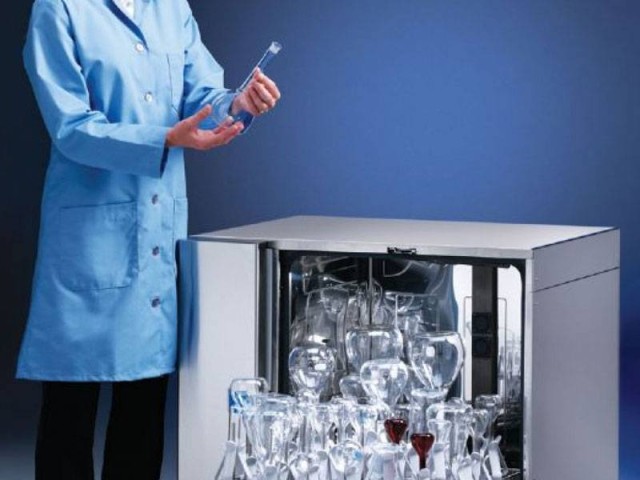
Glassware Used for Organic Chemistry: Rinse the glassware with the appropriate solvent. Use deionized water for water-soluble contents. Use ethanol for ethanol-soluble contents, followed by rinses in deionized water. Rinse with other solvents as needed, followed by ethanol and finally deionized water. If the glassware requires scrubbing, scrub with a brush using hot soapy water, rinse thoroughly with tap water, followed by rinses with deionized water.

Burets: Wash with hot soapy water, rinse thoroughly with tap water, then rinse 3-4 times with deionized water. Be sure the final rinses sheet off of the glass. Burets need to be thoroughly clean to be used for quantitative lab work.

Pipets and Volumetric Flasks: In some cases, you may need to soak the glassware overnight in soapy water. Clean pipets and volumetric flasks using warm soapy water. The glassware may require scrubbing with a brush. Rinse with tap water followed by 3-4 rinses with deionized water.

Drying or Not Drying Glassware

Not Drying: It is inadvisable to dry glassware with a paper towel or forced air since this can introduce fibers or impurities that can contaminate the solution. Normally you can allow glassware to air dry on the shelf. Otherwise, if you are adding water to the glassware, it is fine to leave it wet (unless it will affect the concentration of the final solution). If the solvent will be ether, you can rinse the glassware with ethanol or acetone to remove the water, then rinse with the final solution to remove the alcohol or acetone.

Rinsing with Reagent: If water will affect the concentration of the final solution, triple rinse the glassware with the solution.

Drying Glassware: If glassware is to be used immediately after washing and must be dry, rinse it 2-3 times with acetone. This will remove any water and will evaporate quickly. While it's not a great idea to blow air into glassware to dry it, sometimes you can apply a vacuum to evaporate the solvent.

Additional Notes

Remove stoppers and stopcocks when they are not in use. Otherwise they may 'freeze' in place.

You can degrease ground glass joints by wiping them with a lint-free towel soaked with ether or acetone. Wear gloves and avoid breathing the fumes.

The deionized water rinse should form a smooth sheet when poured through clean glassware. If this sheeting action is not seen, more aggressive cleaning methods may be needed.

Related Products

Related Articles

Related Products

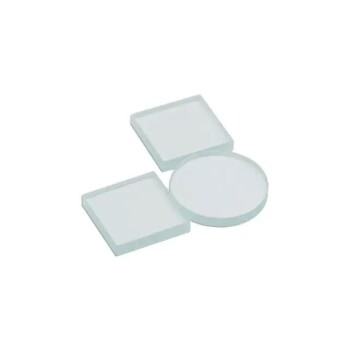
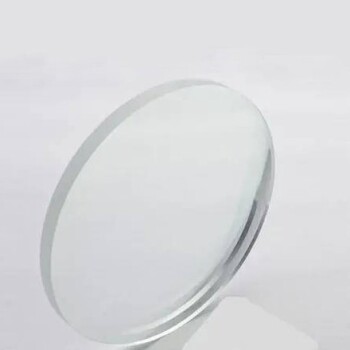
Float Soda-Lime Optical Glass for Laboratory Use

Float Soda-Lime Optical Glass for Laboratory Use

Soda-lime glass, widely favored as an insulating substrate for thin/thick film deposition, is created by floating molten glass on molten tin. This method ensures uniform thickness and exceptionally flat surfaces.

Optical Ultra-Clear Glass Sheet for Laboratory K9 B270 BK7

Optical Ultra-Clear Glass Sheet for Laboratory K9 B270 BK7

Optical glass, while sharing many characteristics with other types of glass, is manufactured using specific chemicals that enhance properties crucial for optics applications.

Custom Machined and Molded PTFE Teflon Parts Manufacturer for Laboratory ITO FTO Conductive Glass Cleaning Flower Basket

Custom Machined and Molded PTFE Teflon Parts Manufacturer for Laboratory ITO FTO Conductive Glass Cleaning Flower Basket

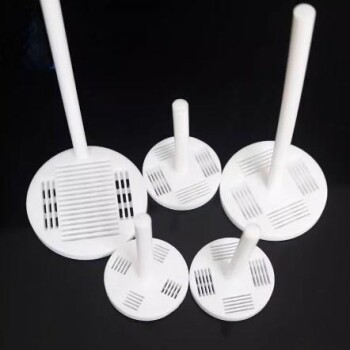
PTFE cleaning racks are mainly made of tetrafluoroethylene. PTFE, known as the "King of Plastics", is a polymer compound made of tetrafluoroethylene.

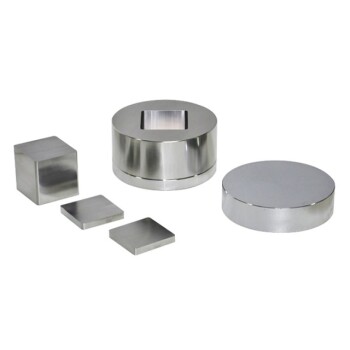
Square Lab Press Mold for Laboratory Applications

Square Lab Press Mold for Laboratory Applications

Create uniform samples easily with Square Lab Press Mold - available in various sizes. Ideal for battery, cement, ceramics, and more. Custom sizes available.

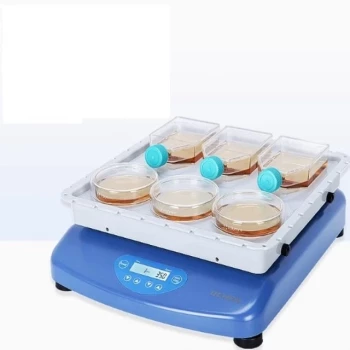
Laboratory Oscillating Orbital Shaker
Laboratory Oscillating Orbital Shaker
Mixer-OT orbital shaker uses brushless motor, which can run for a long time. It is suitable for vibration tasks of culture dishes, flasks and beakers.

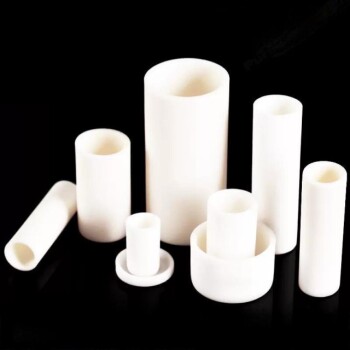
Engineering Advanced Fine Ceramics Alumina Al2O3 Crucible With Lid Cylindrical Laboratory Crucible

Engineering Advanced Fine Ceramics Alumina Al2O3 Crucible With Lid Cylindrical Laboratory Crucible

Cylindrical Crucibles Cylindrical crucibles are one of the most common crucible shapes, suitable for melting and processing a wide variety of materials, and are easy to handle and clean.

Ceramic Evaporation Boat Set Alumina Crucible for Laboratory Use

Ceramic Evaporation Boat Set Alumina Crucible for Laboratory Use

It can be used for vapor deposition of various metals and alloys. Most metals can be evaporated completely without loss. Evaporation baskets are reusable.1

Cylindrical Press Mold with Scale for Lab

Cylindrical Press Mold with Scale for Lab

Discover precision with our Cylindrical Press Mold. Ideal for high-pressure applications, it molds various shapes and sizes, ensuring stability and uniformity. Perfect for lab use.

Desktop Fast Laboratory Autoclave Sterilizer 35L 50L 90L for Lab Use

Desktop Fast Laboratory Autoclave Sterilizer 35L 50L 90L for Lab Use

The desktop fast steam sterilizer is a compact and reliable device used for rapid sterilization of medical, pharmaceutical, and research items. It efficiently sterilizes surgical instruments, glassware, medicines, and resistant materials, making it suitable for various applications.

Laboratory Jar Mill with Agate Grinding Jar and Balls

Laboratory Jar Mill with Agate Grinding Jar and Balls

Grind your materials with ease using Agate Grinding Jars with Balls. Sizes from 50ml to 3000ml, perfect for planetary and vibration mills.

Laboratory Ball Mill Jar Mill with Metal Alloy Grinding Jar and Balls

Laboratory Ball Mill Jar Mill with Metal Alloy Grinding Jar and Balls

Grind and mill with ease using metal alloy grinding jars with balls. Choose from 304/316L stainless steel or tungsten carbide and optional liner materials. Compatible with various mills and features optional functions.

Alumina Al2O3 Ceramic Crucible Semicircle Boat with Lid for Engineering Advanced Fine Ceramics

Alumina Al2O3 Ceramic Crucible Semicircle Boat with Lid for Engineering Advanced Fine Ceramics

Crucibles are containers widely used for melting and processing various materials, and semicircular boat-shaped crucibles are suitable for special smelting and processing requirements. Their types and uses vary by material and shape.

Laboratory Micro Horizontal Jar Mill for Precision Sample Preparation in Research and Analysis

Laboratory Micro Horizontal Jar Mill for Precision Sample Preparation in Research and Analysis

Discover the Micro Horizontal Jar Mill for precise sample preparation in research and analysis. Ideal for XRD, geology, chemistry, and more.


Leave Your Message