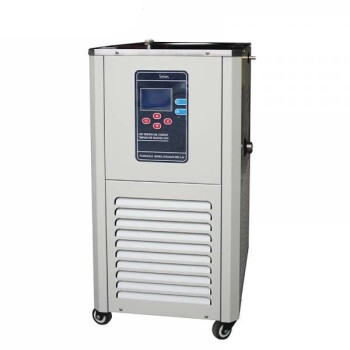
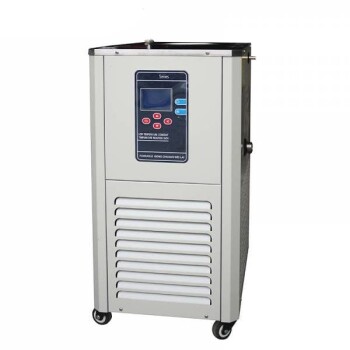
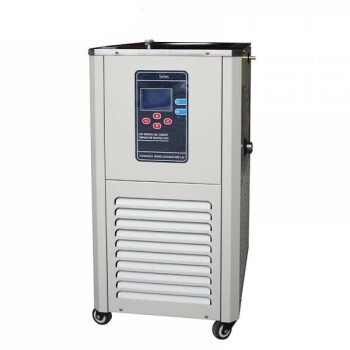
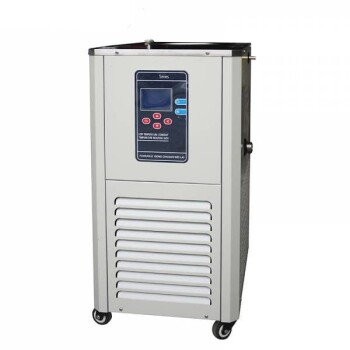
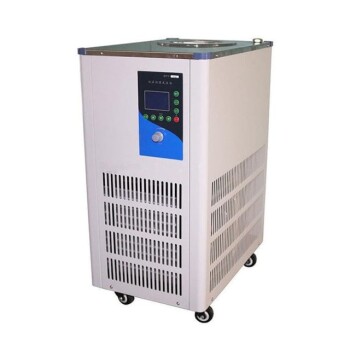
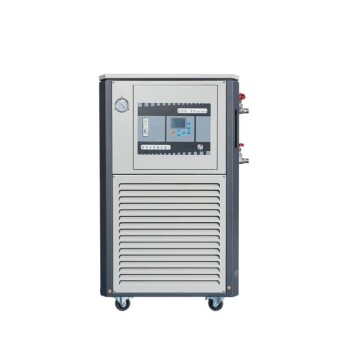
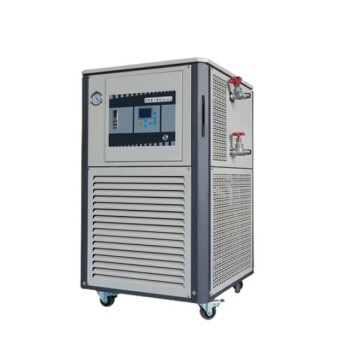
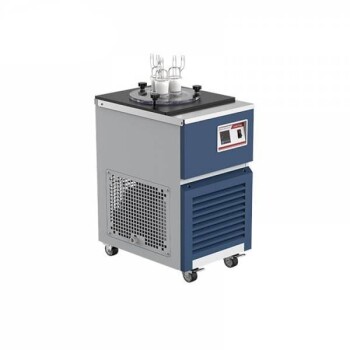
Water baths and chillers are the definitive solution for processing liquid substances that cannot withstand exposure to direct heat sources. They are specifically considered ideal for handling sensitive biological materials and volatile flammable liquids, ensuring safety and sample integrity where hot plates or open flames would fail.
Direct heat sources can destroy sensitive samples or ignite volatile compounds. Water baths and chillers provide a controlled, indirect thermal environment, making them essential for preserving biological viability and preventing combustion in flammable liquids.
The Necessity of Indirect Temperature Control
Avoiding Direct Heat Exposure
Direct heating methods, such as Bunsen burners or electric hot plates, often generate intense, localized heat. This can cause thermal shock or uneven temperature gradients within a sample vessel.
The Role of Uniform Transfer
Water baths and chillers surround the sample vessel with a liquid medium. This ensures uniform heat transfer across the entire surface area of the sample, eliminating dangerous hot spots.
Protecting Biological Materials
Biological samples, including enzymes, proteins, and cell cultures, are notoriously sensitive to temperature fluctuations. Exposure to direct heat can cause immediate denaturation, permanently altering the sample's structure.
Preserving Sample Viability
Indirect temperature control allows these materials to be warmed or cooled gently. This preserves the functional viability of the biological matter, ensuring accurate experimental results.
Handling Flammable Liquids Safely
Many organic solvents and chemical reagents have low flash points. Placing these substances near a direct heat source or open flame significantly increases the risk of accidental ignition.
Eliminating Combustion Risks
Water baths physically separate the flammable liquid from the heating element. This indirect method allows for safe temperature regulation without triggering a combustion reaction.
Understanding the Trade-offs
Temperature Range Limitations
While water is an excellent medium for indirect heat, it is limited by its physical properties. These systems are generally effective only between 0°C and 100°C; extreme temperatures require oil baths or specialized chemical coolants.
Slower Response Times
Indirect heating is inherently slower than direct contact heating. You must account for a longer equilibration time for the sample to reach the target temperature due to the thermal mass of the water.
Contamination Risks
Open water baths introduce a risk of cross-contamination or water evaporation. Regular maintenance is required to ensure the bath fluid remains clean and at the correct level.
Making the Right Choice for Your Goal
When deciding between direct heat and a water bath or chiller system, consider the nature of your sample above all else.
- If your primary focus is Lab Safety: Prioritize water baths for any solvent with a low flash point to strictly eliminate fire risks associated with exposed heating elements.
- If your primary focus is Sample Preservation: Use chillers or baths for biological samples to ensure gentle, uniform temperature changes that prevent denaturation and structural damage.
By choosing indirect thermal control, you prioritize the longevity of your samples and the safety of your laboratory environment.
Summary Table:
| Substance Type | Risk Factor | Recommended Solution | Primary Benefit |
|---|---|---|---|
| Biological Samples | Thermal Shock/Denaturation | Water Bath/Chiller | Preserves structural viability |
| Flammable Liquids | Combustion/Ignition | Indirect Water Bath | Eliminates fire risks from direct heat |
| Volatile Reagents | Flash Point Hazards | Temperature-Controlled Bath | Safe, uniform heat distribution |
| Cell Cultures | Temperature Gradients | Circulating Chiller | Ensures consistent growth environment |
Elevate Your Lab Precision with KINTEK
Don't compromise the integrity of your sensitive biological samples or risk the safety of your laboratory with improper heating methods. KINTEK specializes in high-performance laboratory equipment, offering advanced cooling solutions (ULT freezers, cold traps, freeze dryers) and precise thermal control systems designed for the modern researcher.
Whether you are handling volatile solvents or delicate proteins, our comprehensive range of high-temperature furnaces, hydraulic presses, and specialized glassware—including PTFE products and crucibles—ensures your lab operates at peak efficiency.
Ready to upgrade your thermal management? Contact our experts today to find the perfect water bath or chiller for your specific applications!
Related Products
- 50L Chiller Water Bath Cooling Circulator Low Temperature Constant Temperature Reaction Bath
- 40L Chiller Water Bath Cooling Circulator Low Temperature Constant Temperature Reaction Bath
- 20L Chiller Water Bath Cooling Circulator Low Temperature Constant Temperature Reaction Bath
- 30L Chiller Water Bath Cooling Circulator Low Temperature Constant Temperature Reaction Bath
- 10L Chilling Circulator Cooling Water Bath Low Temperature Constant Temperature Reaction Bath
People Also Ask
- What is the necessity of a circulating water bath in chlorate production? Optimize Yield & Purity with Precision
- Why is a circulating water chiller required for Prussian Blue nanoparticles? Ensure Stability & Batch Reproducibility
- What function does a circulating cooling chiller perform during the gas adsorption isotherm testing of nanoporous carbon?
- What is the primary function of water baths and chillers? Mastering Precise Thermal Stability for Liquid Samples
- What is the purpose of a cooling circulation water bath system in electrochemical experiments? Enhance Lab Precision