Internal cooling coils and rapid water bath systems serve a single, critical function: immediate process termination. These mechanisms are designed to instantly halt the hydrothermal reaction once the optimal time has passed. By rapidly quenching the system—specifically dropping the temperature to below 50°C in under three minutes—operators effectively "freeze" the chemical state of the biomass.
Core Takeaway The primary purpose of rapid cooling is to prevent chemical over-processing. By immediately terminating the reaction, you preserve the structural integrity of the biomass and significantly improve the recovery rate of valuable compounds like xylo-oligosaccharides and fructo-oligosaccharides.
The Mechanics of Reaction Control
Immediate Termination
Hydrothermal treatment is a dynamic process where chemical breakdown occurs continuously. Once the desired reaction time is reached, the process does not stop on its own.
Internal cooling coils or water baths act as a "hard brake." They are deployed to stop the reaction instantly, preventing the system from lingering at high temperatures.
The Importance of Speed
The effectiveness of this step relies entirely on the speed of the temperature drop. The target is a rapid quench, reducing the temperature to below 50°C within 3 minutes.
This tight timeframe is necessary to transition the biomass out of the reactive zone before unwanted changes occur.
Maximizing Product Value
Preventing Chemical Degradation
If the heat is not removed immediately, the biomass continues to degrade chemically. This "over-cooking" breaks down the desired products into less valuable components.
Rapid cooling mitigates this risk. It ensures that the chemical profile achieved at the peak of the reaction is the one preserved in the final product.
Improving Recovery Rates
The ultimate goal of this process is the extraction of specific high-value compounds. Specifically, this method is essential for recovering xylo-oligosaccharides or fructo-oligosaccharides.
By preventing further breakdown, the cooling system directly increases the yield (recovery rate) of these specific sugars.
Protecting Structural Integrity
Beyond chemical composition, the physical structure of the residues matters. Continued exposure to heat can compromise the structural integrity of the material.
Rapid cooling preserves the structural framework of the residues, ensuring consistency in the final output.
The Consequences of Slow Cooling
Loss of Yield
The most significant pitfall in this process is allowing the biomass to cool naturally or slowly. This extends the reaction time unintentionally.
Without rapid quenching, the window for optimal recovery closes, leading to a lower volume of usable oligosaccharides.
Product Inconsistency
Slow cooling introduces variables that are difficult to control. It can lead to varying degrees of degradation across different batches.
Using internal coils or water baths standardizes the termination point, ensuring that every batch stops reacting at the exact same moment.
Ensuring Process Success
To maximize the efficiency of your hydrothermal treatment, consider your specific production goals:
- If your primary focus is High Yield: Ensure your cooling system can achieve the sub-50°C target in under three minutes to maximize oligosaccharide recovery.
- If your primary focus is Product Quality: Use rapid quenching to lock in the structural integrity of the residues and prevent chemical degradation.
Rapid, controlled cooling is not just a safety measure; it is a vital processing step that defines the quality of your final agricultural yield.
Summary Table:
| Feature | Rapid Cooling (Internal Coils/Water Bath) | Slow/Natural Cooling |
|---|---|---|
| Temperature Target | Below 50°C in <3 minutes | Gradual decrease over hours |
| Reaction Control | Immediate termination (Hard brake) | Uncontrolled, extended reaction |
| Chemical Impact | Preserves xylo/fructo-oligosaccharides | Degradation into low-value compounds |
| Product Yield | High recovery rates | Significant loss of yield |
| Structural Integrity | Maintained and consistent | Compromised and inconsistent |
Maximize Your Biomass Recovery with KINTEK Precision Engineering
Don't let "over-cooking" destroy your valuable oligosaccharide yields. At KINTEK, we specialize in high-performance laboratory solutions designed for rigorous agricultural research. Our high-temperature high-pressure reactors and autoclaves can be equipped with advanced cooling systems to ensure your reactions stop exactly when you need them to.
Whether you are refining hydrothermal processes or developing new bio-based materials, KINTEK provides the specialized tools—from crushing and milling systems to PTFE consumables and high-temperature furnaces—to ensure consistency and quality in every batch.
Ready to optimize your lab's extraction efficiency? Contact our experts today to find the perfect reactor system for your research goals.
References
- Ramachandran Chelliah, Deog‐Hwan Oh. Revolutionizing Renewable Resources: Cutting-Edge Trends and Future Prospects in the Valorization of Oligosaccharides. DOI: 10.3390/fermentation10040195
This article is also based on technical information from Kintek Solution Knowledge Base .
Related Products
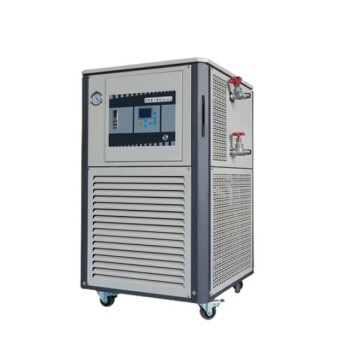
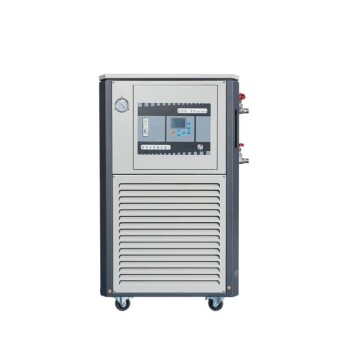
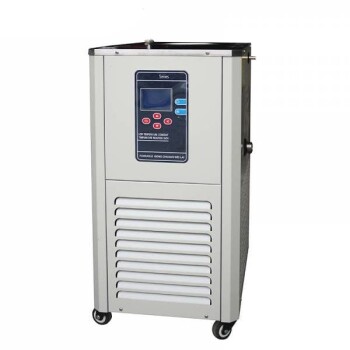
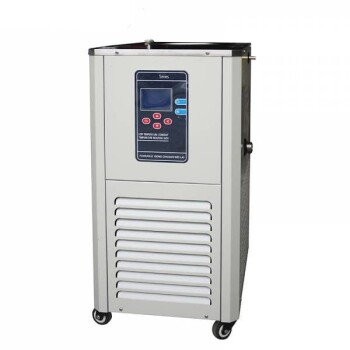
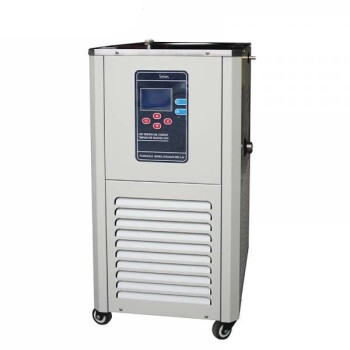
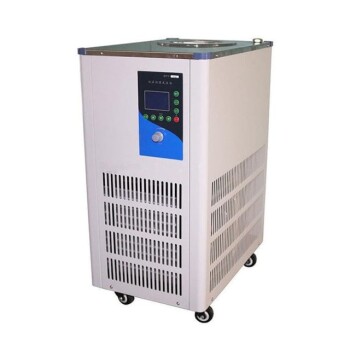
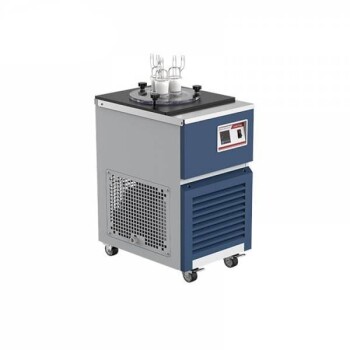
- 5L Heating Chilling Circulator Cooling Water Bath Circulator for High and Low Temperature Constant Temperature Reaction
- 100L Heating Chilling Circulator Cooling Water Bath Circulator for High and Low Temperature Constant Temperature Reaction
- 20L Heating Chilling Circulator Cooling Water Bath Circulator for High and Low Temperature Constant Temperature Reaction
- 50L Heating Chilling Circulator Cooling Water Bath Circulator for High and Low Temperature Constant Temperature Reaction
- 30L Heating Chilling Circulator Cooling Water Bath Circulator for High and Low Temperature Constant Temperature Reaction
People Also Ask
- What is the necessity of a circulating water bath in chlorate production? Optimize Yield & Purity with Precision
- How does a constant temperature circulator support the leaching reaction of gold scrap? Optimize Gold Recovery Results
- How do constant temperature circulators impact weight-loss immersion tests? Ensure Precision in Corrosion Analysis
- What is the importance of a circulating water cooling system? Key to Protecting Your High-Temperature Lab Equipment
- Why is a circulating water chiller required for Prussian Blue nanoparticles? Ensure Stability & Batch Reproducibility