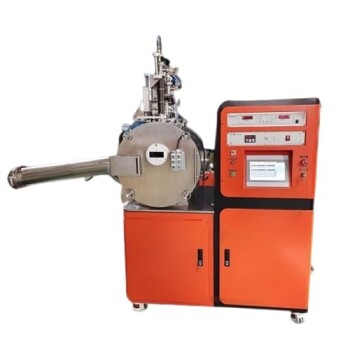
Stirring and water-cooling circulation systems are critical thermal management tools in the micro-arc oxidation (MAO) process. Their primary function is to actively dissipate the intense Joule heat generated during operation, ensuring the electrolyte temperature remains stable and typically below 40°C. Without this regulation, the thermal environment becomes volatile, directly compromising the chemical stability required for successful zirconia coating growth.
Effective thermal management is not just about cooling; it is the primary defense against structural failure. By stabilizing electrolyte temperatures, these systems prevent the excessive thermal stress that leads to fatal macro-cracks and coating delamination.
Managing the Thermal Environment
Counteracting Joule Heat
The micro-arc oxidation process involves high voltages that generate significant energy in the form of Joule heat.
This heat accumulates rapidly within the electrolyte solution. Stirring and water-cooling systems work in tandem to continuously remove this excess energy.
Maintaining Low Temperatures
To ensure proper coating formation, the electrolyte temperature must be kept at low levels, generally below 40°C.
Circulation systems ensure that cool electrolyte is constantly distributed across the workload. This prevents localized "hot spots" that could alter the reaction dynamics.
Preventing Electrolyte Failure
Excessive heat can cause the electrolyte to degrade or fail entirely.
By maintaining a cool environment, these systems prevent the chemical breakdown of the electrolyte solution. This ensures the medium remains effective throughout the duration of the coating process.
Ensuring Structural Integrity
Mitigating Thermal Stress
Temperature fluctuations are the enemy of uniform coating growth.
When the electrolyte temperature is unregulated, it introduces excessive thermal stress to the growing ceramic layer. Water-cooling ensures the thermal expansion and contraction forces remain within manageable limits.
Preventing Macroscopic Defects
The physical consequences of poor thermal management are severe.
If thermal stress is left unchecked, it manifests as major macro-cracks within the zirconia structure. These defects compromise the mechanical strength and protective qualities of the coating.
Avoiding Delamination
Beyond cracking, thermal instability affects the adhesion of the coating to the substrate.
Proper cooling prevents the conditions that lead to coating peeling. A stable thermal environment ensures the zirconia layer remains firmly bonded to the underlying metal.
Common Pitfalls to Avoid
The Risk of Excessive Evaporation
Without adequate cooling, the electrolyte is prone to rapid evaporation.
This alters the concentration of the solution, shifting the chemical parameters of the process. An unstable concentration leads to inconsistent coating growth rates and unpredictable results.
Compromised Chemical Stability
The growth of zirconia coatings requires a precise chemical environment.
High temperatures disrupt this balance, leading to chemical instability in the growth zone. This results in coatings that may lack the desired phase composition or corrosion resistance.
Making the Right Choice for Your Goal
To optimize your micro-arc oxidation setup, prioritize the thermal capacity of your system based on your quality requirements.
- If your primary focus is Structural Integrity: Ensure your cooling capacity is sufficient to keep temperatures strictly below 40°C to eliminate the risk of macro-cracks.
- If your primary focus is Coating Adhesion: prioritize aggressive circulation and stirring to prevent localized heating that causes peeling and delamination.
Control the temperature, and you control the quality of the zirconia coating.
Summary Table:
| System Component | Primary Function | Impact on Zirconia Coating |
|---|---|---|
| Stirring System | Distributes heat & prevents hot spots | Ensures uniform chemical environment and coating growth |
| Water-Cooling | Dissipates Joule heat (< 40°C) | Prevents thermal stress, macro-cracks, and delamination |
| Circulation | Constant electrolyte renewal | Maintains chemical stability and prevents solution degradation |
Maximize Your Coating Precision with KINTEK
Achieving the perfect zirconia coating requires more than just high voltage—it demands rigorous thermal control. KINTEK specializes in high-performance laboratory equipment, including high-temperature furnaces, electrolytic cells, and cooling solutions (ULT freezers, chillers) designed to maintain the stability of your most sensitive processes. Whether you are conducting battery research or developing advanced ceramic coatings, our comprehensive range of crushing, milling, and high-pressure systems ensures your lab has the tools to succeed. Contact KINTEK today to discover how our expertise in thermal management and specialized consumables like crucibles and ceramics can eliminate structural failures and enhance your research outcomes.
References
- Zhigang Wang, Jia‐Hu Ouyang. Direct Fabrication and Characterization of Zirconia Thick Coatings on Zirconium Hydride as a Hydrogen Permeation Barrier. DOI: 10.3390/coatings13050884
This article is also based on technical information from Kintek Solution Knowledge Base .
Related Products
- Vacuum Induction Melting Spinning System Arc Melting Furnace
- Vacuum Arc Induction Melting Furnace
- 915MHz MPCVD Diamond Machine Microwave Plasma Chemical Vapor Deposition System Reactor
People Also Ask
- What are the advantages of a vacuum induction melting furnace? Achieve High-Purity Alloys with Precision VIM
- Why use VIM for rare earth steel? Essential Precision for Melting Reactive Lanthanum and Cerium
- What is the primary function of a vacuum induction melting furnace in Ni-Mo-Cr-Fe master alloy prep? Ensure High Purity
- What is the function of a vacuum induction melting furnace? Essential Guide for High-Purity FeCrAl Alloy Production
- What types of metals are typically processed in a vacuum induction melting furnace? High-Purity Alloys for Critical Applications