To reduce a water bath's temperature to ambient levels or below, you must utilize a dedicated chiller. Passive heat loss is insufficient for reaching these temperatures, making active refrigeration equipment a necessity for this specific application.
Reaching ambient or sub-ambient temperatures requires active heat removal. By integrating a chiller, you can bypass the physical limitations of the room's environment and achieve temperatures as low as approximately –25°C.
The Physics of Cooling
The Ambient Limitation
Standard water baths are designed primarily for heating. When you turn off the heater, the bath cools down by transferring heat to the surrounding air.
Because heat naturally flows from a warmer object to a cooler one, a standard bath can never naturally reach or drop below the temperature of the room it is in.
The Necessity of Active Cooling
To force the temperature down to ambient levels—or significantly lower—you must reverse this natural flow.
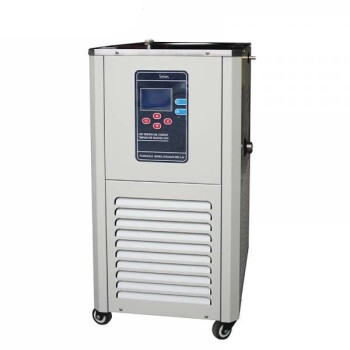
This requires an external energy source to actively pump heat away from the water. This is the specific function of a chiller.
Equipment Capabilities
Utilizing a Chiller
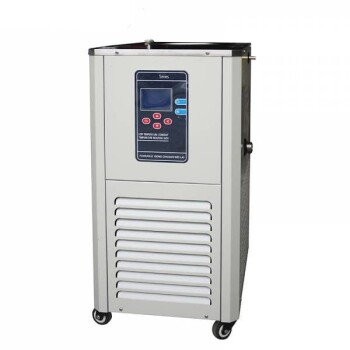
The chiller acts as the thermal engine for your setup. It circulates a cooled fluid or uses a refrigeration coil to extract heat from the water bath faster than the environment can add it back.
This is the only reliable method for maintaining stability at or below room temperature.
Temperature Range
The cooling power of these units is substantial. While specific models vary, most standard chillers are capable of driving the temperature down to approximately –25°C.
This range allows for a wide variety of low-temperature applications beyond simple ambient stabilization.
Understanding the Trade-offs
Increased System Footprint
Introducing a chiller adds complexity to your laboratory setup. Unlike a standalone heating bath, you must accommodate the physical size and power requirements of the chilling unit.
Equipment Dependency
Achieving these temperatures creates a dependency on the chiller's performance. If the chiller malfunctions, the bath will rapidly return to ambient temperature, potentially compromising temperature-sensitive samples.
Making the Right Choice for Your Goal
- If your primary focus is strictly ambient temperature: You must use a chiller to actively counteract heat gain from the environment or internal friction, as passive cooling will always stabilize slightly above actual room temperature.
- If your primary focus is sub-ambient cooling: Leverage the full capacity of the chiller to reach temperatures as low as –25°C, ensuring your bath fluid is rated for freezing temperatures.
Ultimately, precise control at or below room temperature is impossible without the active intervention of a chiller.
Summary Table:
| Feature | Passive Cooling (Ambient) | Active Cooling (Chiller) |
|---|---|---|
| Lowest Temperature | Room temperature (Ambient) | Down to -25°C |
| Mechanism | Natural heat dissipation | Mechanical refrigeration |
| Stability | Fluctuates with room temp | High precision and stability |
| Suitability | Heating-only applications | Ambient & sub-ambient research |
| Control | None (Environmental dependency) | Programmable active control |
Elevate Your Temperature Precision with KINTEK
Achieve the exact thermal conditions your research demands with KINTEK’s high-performance laboratory equipment. Whether you are stabilizing at ambient levels or pushing to -25°C, our advanced cooling solutions and ULT freezers provide the reliability your samples require.
Beyond cooling, KINTEK specializes in a comprehensive range of lab essentials, including:
- High-Temperature Furnaces (Muffle, Tube, Vacuum, and CVD)
- Hydraulic Presses (Pellet, Hot, Isostatic)
- Crushing, Milling, and Sieving Systems
- High-Pressure Reactors and Autoclaves
- Electrolytic Cells and Battery Research Tools
Don't let environmental limitations compromise your results. Contact KINTEK today to find the perfect chiller, furnace, or specialized consumable for your laboratory. Our experts are ready to help you optimize your workflow with precision-engineered solutions.
Related Products
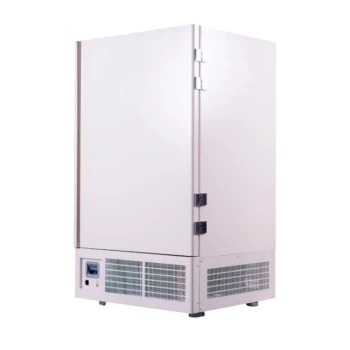
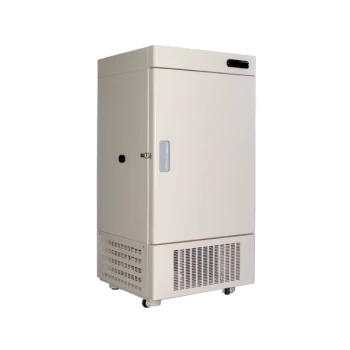
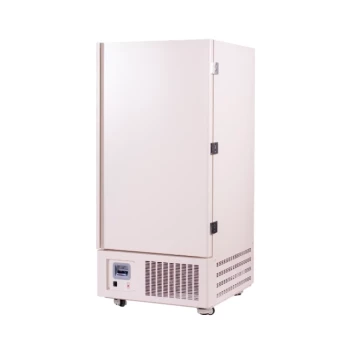
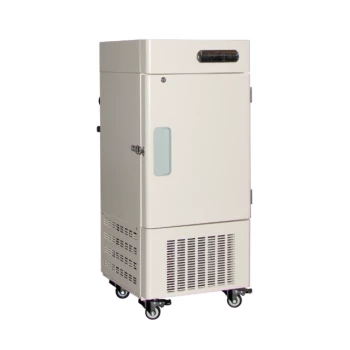
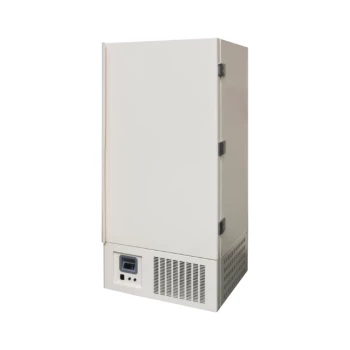
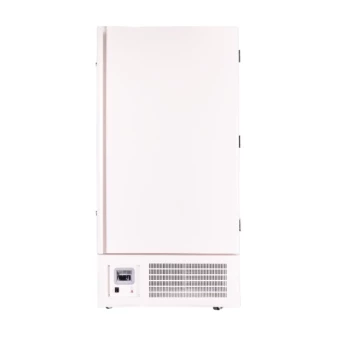
- 808L Precision Laboratory Vertical Ultra Low Temperature Freezer
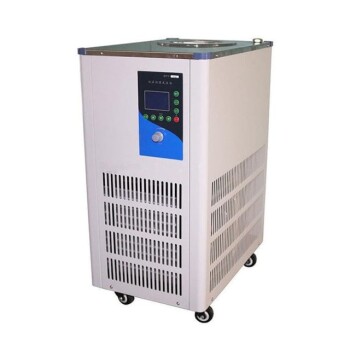
- 100L Chilling Circulator Cooling Water Circulator for Low Temperature Constant Temperature Reaction Bath Water Bath Cooling
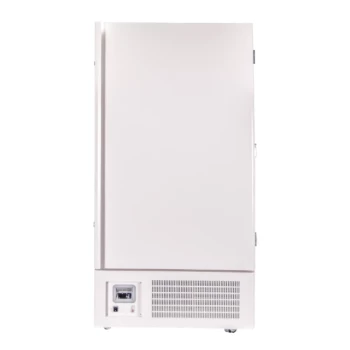
- 708L Ultra Low Temperature Freezer High Performance Laboratory Freezer
- 938L Vertical Ultra Low Temperature Freezer for Advanced Laboratory Storage
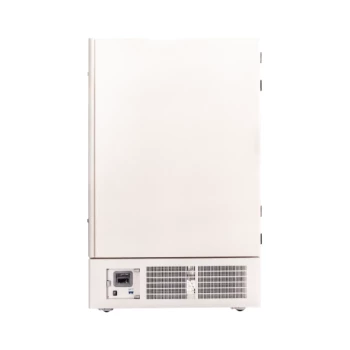
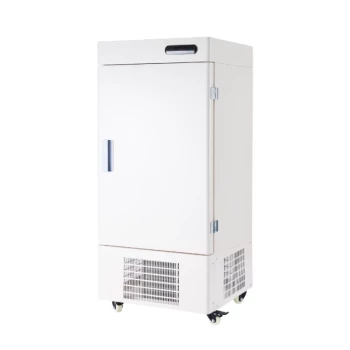
- 208L Advanced Precision Laboratory Ultra Low Temperature Freezer for Cold Storage
People Also Ask
- What are the different types of ultra-low temperature freezers available? Choose the Right ULT Freezer for Your Lab
- What are the common applications of ultra-low temperature freezers? Preserve Your Most Valuable Samples
- What are some key features of ultra-low temperature freezers? Essential Guide to Reliable Sample Storage
- Have other labs successfully stored samples at -70°C? Proven Long-Term Preservation for Biological Materials
- What are the key features of ultra low temperature freezers that ensure sample preservation? Choose the Right System for Your Lab