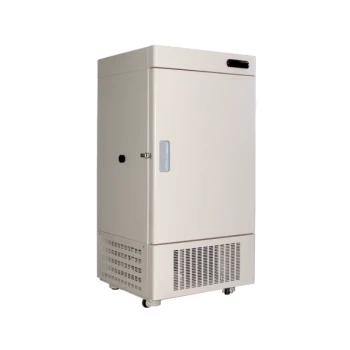
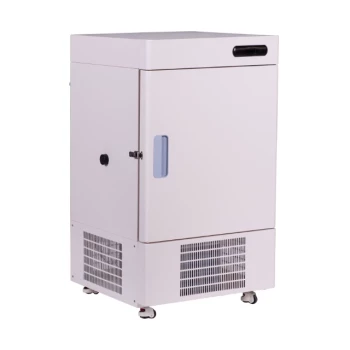
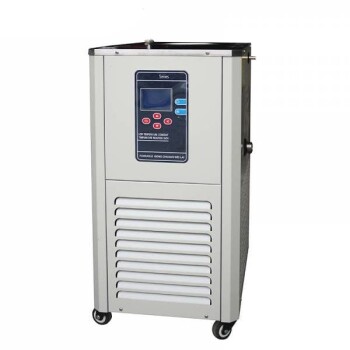
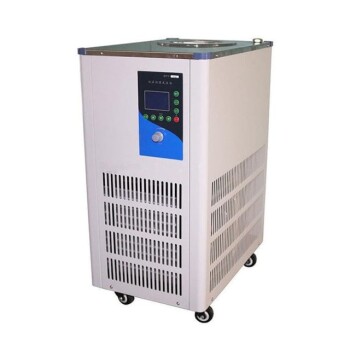
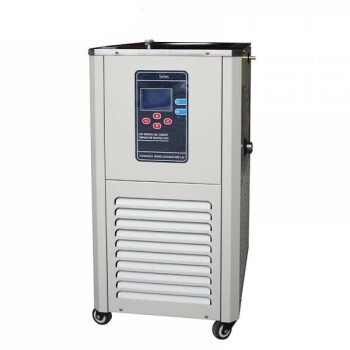
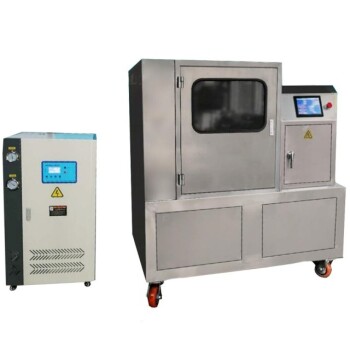
Low-temperature freezing equipment is a critical catalyst in the synthesis of high-performance Polyvinyl Alcohol (PVA) hydrogel electrolytes for flexible solid-state Zinc-air batteries (FSZABs). It primarily facilitates a "freeze-thaw" cycling process that physically cross-links polymer chains at temperatures around -20°C. This method transforms a liquid polymer solution into a flexible, conductive solid-state medium without requiring chemical additives.
Freezing equipment serves a dual role: it acts as a fabrication tool to create stable 3D molecular networks through freeze-thaw cycling and functions as a testing platform to validate battery performance in extreme cold environments.
The Synthesis Mechanism: Physical Cross-linking
Inducing the Three-Dimensional Network
During the preparation of PVA hydrogels, freezing equipment is set to approximately -20°C to initiate the formation of microcrystalline regions. As the water freezes, it forces PVA molecular chains into close proximity, allowing them to align and bond.
The Advantage of Chemical-Free Processing
Unlike traditional methods that rely on potentially volatile chemical cross-linking agents, the freeze-thaw method uses physical cross-linking. This results in a "cleaner" electrolyte that maintains high purity and reduces the risk of side reactions within the battery.
Impact of Cycling on Material Structure
The process involves repeated cycles of freezing and thawing at room temperature. This repetition densifies the stable three-dimensional network, which is essential for maintaining the structural integrity of the battery during use.
Enhancing Material Properties for Flexibility
Achieving Mechanical Resilience
The 3D network formed in the freezing equipment is what gives the electrolyte its high flexibility. This allows the FSZAB to be bent or twisted without the electrolyte cracking or losing contact with the electrodes.
Optimizing Ionic Conductivity
While providing structural strength, the frozen-and-thawed hydrogel retains an open enough structure to allow for excellent ionic conductivity. This balance is crucial for ensuring the Zinc-air battery can efficiently transport ions during discharge.
Performance Evaluation in Extreme Cold
Testing Interface Transport capabilities
Supplementary use of ultra-low temperature equipment (reaching -30°C) is vital for stress-testing the battery. This helps researchers understand the interface transport capabilities and how effectively ions move between the electrolyte and electrodes in freezing climates.
Validating Phase Stability
Engineers use the freezing chamber to determine the phase stability of the electrolyte. Observing how the material behaves under extreme cold ensures that the battery will not fail or become brittle when operated in sub-zero environments.
Understanding the Trade-offs
Process Time vs. Material Density
One significant trade-off is the time required; freeze-thaw cycling is a time-intensive process compared to rapid UV or chemical curing. While it produces a superior network, it may slow down high-volume production cycles.
Energy Consumption and Scaling
Maintaining precise, low-temperature environments for extended periods increases energy overhead. Manufacturers must balance the need for high-quality physical cross-linking with the operational costs of industrial-scale freezing equipment.
Strategic Implementation for Battery Development
How to Apply This to Your Project
When integrating low-temperature freezing into your FSZAB development workflow, consider your primary objective:
- If your primary focus is Electrolyte Synthesis: Prioritize equipment that offers precise programmable cycling between -20°C and room temperature to ensure consistent molecular cross-linking.
- If your primary focus is Environmental Durability: Use ultra-low temperature freezers capable of sustained -30°C environments to benchmark the charge-discharge limits of your finished battery.
- If your primary focus is Structural Integrity: Increase the number of freeze-thaw cycles to enhance the density of the 3D network, though be mindful of the potential impact on total ionic conductivity.
By mastering the freeze-thaw process, you can produce flexible electrolytes that are both chemically pure and mechanically robust enough for next-generation wearable electronics.
Summary Table:
| Process Stage | Equipment Function | Key Performance Outcome |
|---|---|---|
| Electrolyte Synthesis | -20°C Freeze-Thaw Cycling | Physical cross-linking & 3D network formation |
| Structural Optimization | Molecular Chain Alignment | Enhanced mechanical flexibility & chemical purity |
| Environmental Testing | -30°C Extreme Cold Exposure | Validation of phase stability & ionic conductivity |
| Durability Assessment | Interface Transport Stress-Test | Ensuring reliable battery performance in sub-zero climates |
Accelerate Your Battery Research with KINTEK
Ready to elevate your FSZAB development? KINTEK specializes in high-precision laboratory equipment designed for the rigorous demands of advanced materials science. We provide the essential tools needed to master the freeze-thaw process and validate battery performance, including:
- Cooling Solutions: High-performance ULT freezers, cold traps, and freeze dryers for precise electrolyte synthesis.
- Material Processing: Advanced crushing and milling systems, sieving equipment, and hydraulic presses (pellet, hot, isostatic) for electrode preparation.
- Thermal Systems: A comprehensive range of high-temperature furnaces (muffle, vacuum, CVD, atmosphere) for specialized component fabrication.
- Research Essentials: High-pressure reactors, electrolytic cells, and high-quality consumables like PTFE and ceramics.
Contact us today to discover how KINTEK’s reliable equipment can streamline your workflow and ensure the structural integrity of your next-generation wearable electronics!
References
- Mengyang Dong, Huijun Zhao. NiCo alloy‐anchored self‐supporting carbon foam as a bifunctional oxygen electrode for rechargeable and flexible Zn–air batteries. DOI: 10.1002/bte2.20220063
This article is also based on technical information from Kintek Solution Knowledge Base .
Related Products
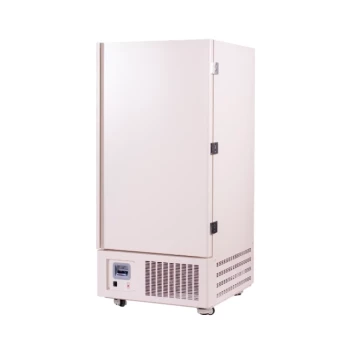
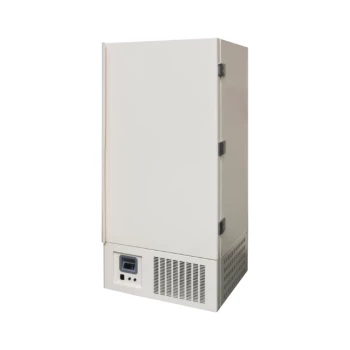
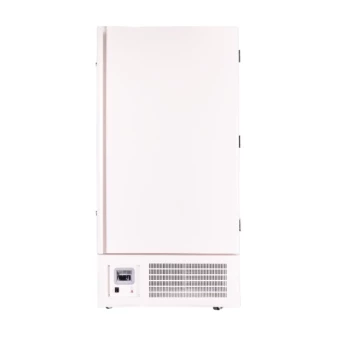
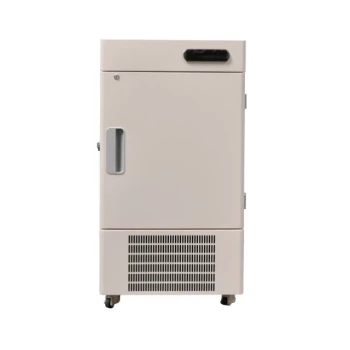
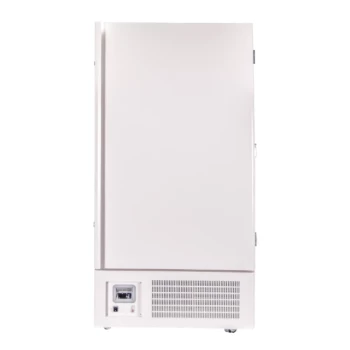
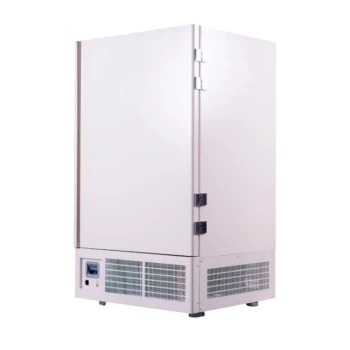
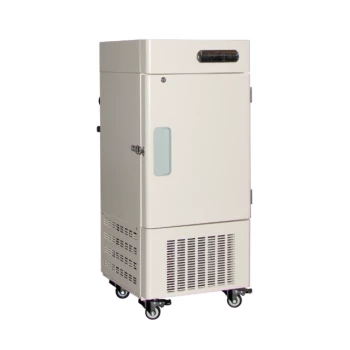
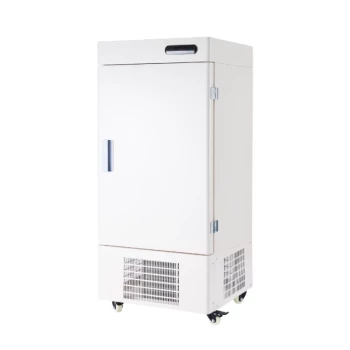
- 308L Precision Ultra Low Temperature Freezer for Laboratory Applications
- 938L Vertical Ultra Low Temperature Freezer for Advanced Laboratory Storage
- 208L Advanced Precision Laboratory Ultra Low Temperature Freezer for Cold Storage
- 108L Vertical Ultra Low Temperature ULT Freezer
- 408L Advanced Vertical Laboratory Ultra Low Temperature Freezer for Critical Research Material Preservation
People Also Ask
- How does evaporation occur in Ultra Freezers? The Core Process for Deep Freezing
- How are ultra low temperature freezers used in pharmaceutical storage? Protect Your High-Value Biologics & Vaccines
- What is the price range for ultra low temperature freezers? Protect Your Samples with the Right Investment
- How are Ultra Freezers designed for easy movement in laboratories? Unlock Lab Flexibility with Swivel Castors
- How is temperature controlled in ultra low temperature freezers? A Guide to Stable -80°C Storage