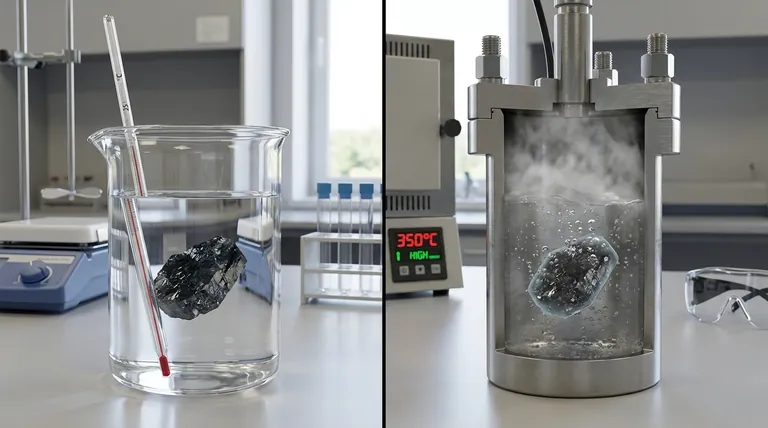
Under normal conditions, silicon carbide (SiC) is exceptionally stable and does not react with water. Its chemical inertness is one of its most valued properties, making it highly resistant to corrosion and chemical attack in standard aqueous environments. For all practical purposes, placing silicon carbide in water at room temperature will result in no chemical change.
The core issue is not whether silicon carbide reacts with water, but under what specific, high-energy conditions this reaction occurs. While inert at room temperature, SiC will slowly react with high-temperature water or steam in a process called hydrothermal oxidation, forming a protective layer of silicon dioxide and releasing methane gas.
The Foundation: SiC's Exceptional Inertness
Why SiC is So Stable
Silicon carbide's remarkable stability stems from the powerful covalent bonds between its silicon and carbon atoms. Breaking these bonds requires a significant amount of energy.
This makes SiC a ceramic material that is much more chemically resistant than most metals and many other advanced materials, especially in the presence of common substances like water.
Behavior in Water at Ambient Temperatures
At room temperature and standard pressure, the energy required to initiate a reaction between SiC and water is simply not present. You can immerse SiC components, powders, or abrasives in water indefinitely with no meaningful degradation from chemical reaction.
Its primary mode of degradation in such environments is purely mechanical, such as through abrasion, not chemical corrosion.
The Reaction Under Extreme Conditions
The Temperature Threshold
The stability of silicon carbide begins to change at elevated temperatures. When exposed to water in the form of high-temperature steam or pressurized hot water (hydrothermal conditions), typically above 300°C (572°F), a slow oxidation reaction can begin.
The rate of this reaction increases significantly as temperatures climb further, becoming a critical design consideration in environments exceeding 500°C (932°F).
The Chemical Reaction Explained
Under these high-temperature, anaerobic (oxygen-free) conditions, silicon carbide reacts with water molecules. The overall reaction is:
SiC + 2H₂O → SiO₂ + CH₄
In this process, the silicon (Si) in SiC is oxidized by the oxygen from the water (H₂O) to form silicon dioxide (SiO₂), also known as silica. The carbon (C) atom combines with the hydrogen from the water to form methane (CH₄) gas.
The Role of the Passive Layer (SiO₂)
The silicon dioxide (SiO₂) that forms on the surface of the SiC is not necessarily a point of failure. It creates a "passive layer" that is dense and often highly stable.
This silica layer acts as a protective barrier, sealing the underlying SiC from further contact with the hot water or steam. This process, known as passivation, can dramatically slow down the rate of corrosion, effectively making the material self-protecting under certain conditions.
Understanding the Trade-offs and Influencing Factors
Impact of Temperature and Pressure
Temperature is the single most important factor driving this reaction. The higher the temperature, the faster the corrosion rate. High pressure further accelerates the process by increasing the concentration of water molecules at the material's surface.
The Effect of Dissolved Oxygen
If oxygen is present in the high-temperature water or steam, it will also participate in the oxidation of SiC. The presence of oxygen can alter the reaction byproducts, potentially forming carbon monoxide (CO) or carbon dioxide (CO₂) instead of methane.
Material Form and Purity Matter
The physical form and purity of the SiC component have a substantial impact on its corrosion resistance.
Dense, high-purity, single-crystal SiC exhibits the highest resistance. In contrast, porous or polycrystalline SiC materials corrode more quickly because their larger surface area and grain boundaries provide more sites for the reaction to initiate.
Making the Right Choice for Your Application
Understanding this behavior is crucial for selecting and using SiC correctly.
- If your primary focus is standard machining, polishing, or slurry transport at ambient temperatures: Silicon carbide is exceptionally stable, and corrosion from water is not a practical concern.
- If your primary focus is using SiC in high-temperature steam or pressurized hot water systems (>300°C): You must account for slow, long-term hydrothermal oxidation in the design life and failure analysis of the component.
- If your primary focus is ensuring maximum stability in extreme environments (>1000°C): You should select high-purity, dense grades of SiC and rely on the formation of a stable, passive SiO₂ layer for protection.
Knowing the operational limits of silicon carbide is the key to leveraging its exceptional strengths in your application.
Summary Table:
| Condition | Reaction with Water | Key Product |
|---|---|---|
| Room Temperature | No significant reaction | N/A |
| High-Temperature Steam (>300°C) | Slow oxidation (hydrothermal corrosion) | Silicon Dioxide (SiO₂) + Methane (CH₄) |
Need high-performance lab equipment that withstands extreme conditions? KINTEK specializes in durable lab equipment and consumables, including materials like silicon carbide designed for stability and corrosion resistance. Let our experts help you select the right solutions for your high-temperature or corrosive environments. Contact us today to discuss your specific laboratory needs!
Visual Guide

Related Products
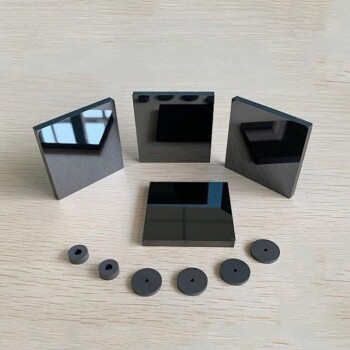
- Silicon Carbide (SIC) Ceramic Sheet Wear-Resistant Engineering Advanced Fine Ceramics
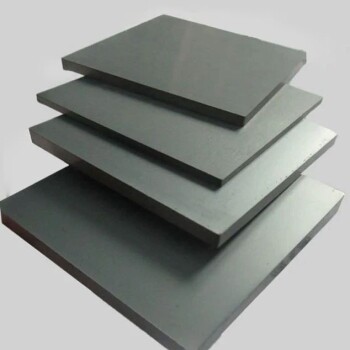
- Silicon Carbide (SIC) Ceramic Plate for Engineering Advanced Fine Ceramics
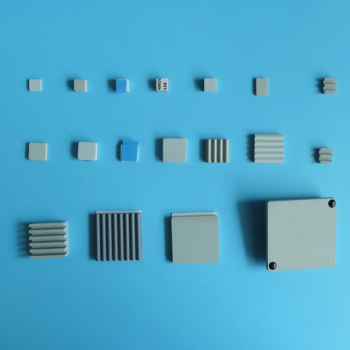
- Silicon Carbide (SIC) Ceramic Sheet Flat Corrugated Heat Sink for Engineering Advanced Fine Ceramics
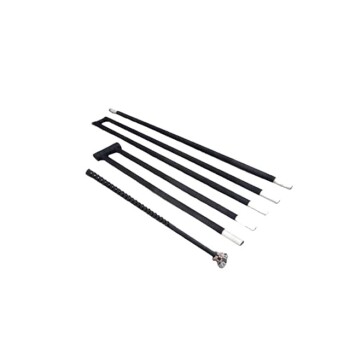
- Silicon Carbide SiC Thermal Heating Elements for Electric Furnace
- Precision Machined Silicon Nitride (SiN) Ceramic Sheet for Engineering Advanced Fine Ceramics
People Also Ask
- What are the properties of SiC? Unlock High-Temperature, High-Frequency Performance
- What are the properties and applications of silicon carbide ceramics? Solve Extreme Engineering Challenges
- What is the type of silicon carbide? A Guide to Polymorphs, Grades, and Applications
- What is the process of making silicon carbide? From Raw Materials to Advanced Ceramics
- What are the applications of silicon carbide? From Abrasives to High-Tech Semiconductors