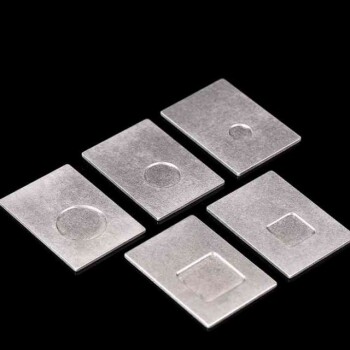
The use of an airtight sample holder with a beryllium window is mandatory for the characterization of sulfide solid electrolytes due to their extreme chemical instability in ambient atmospheres. Without this specialized containment, moisture in the air immediately reacts with the material, altering its composition and rendering the X-ray diffraction (XRD) data invalid.
Core Takeaway Sulfide solid electrolytes undergo rapid hydrolysis upon contact with atmospheric moisture, destroying the crystal structure and releasing toxic hydrogen sulfide (H2S) gas. The beryllium window allows for the necessary transmission of X-rays while maintaining a hermetic seal to preserve the sample's integrity.
The Chemistry of Instability
The Moisture Threat
Sulfide solid electrolytes, such as those in the Li2S–GeSe2–P2S5 system, are hypersensitive to environmental conditions.
The primary enemy is moisture found in standard ambient air.
Even brief exposure triggers a chemical reaction known as hydrolysis.
Production of Toxic Gas
When these electrolytes hydrolyze, they produce hydrogen sulfide (H2S).
This is a highly toxic gas that poses a significant safety risk to the researcher.
The generation of gas also indicates that the material is actively decomposing.
Destruction of Crystal Structure
The primary goal of XRD is to analyze the specific crystal structure of the electrolyte.
However, the reaction with moisture fundamentally alters this structure.
If exposed to air, the resulting XRD pattern would reflect decomposition products rather than the original electrolyte, making the data useless.
The Function of the Beryllium Window
Hermetic Isolation
The primary function of the holder is to create an airtight environment.
It physically isolates the sulfide sample from the atmosphere.
This ensures the chemical structure remains unchanged throughout the duration of the test.
X-Ray Transparency
While isolation is key, the detector must still "see" the sample.
Beryllium is used for the window because it is highly transparent to X-rays.
It allows the beam to pass through to the sample and back to the detector with minimal interference or signal loss.
Understanding the Safety and Operational Trade-offs
Handling Risks
While the holder protects the user from H2S gas, the holder materials themselves require caution.
Beryllium is a toxic metal, particularly if machined or abraded to create dust.
Users must ensure the window remains intact to avoid exposure to both the beryllium and the degraded sulfide sample.
Operational Complexity
Using an airtight holder adds steps to the characterization workflow.
Samples generally must be loaded inside an inert atmosphere, such as an argon-filled glovebox.
This prevents moisture from being trapped inside the holder along with the sample.
Ensuring Data Integrity and Safety
When characterizing sulfide solid electrolytes, the equipment you choose dictates the validity of your results.
- If your primary focus is Data Accuracy: You must use an airtight holder to prevent hydrolysis from altering the crystal lattice before the scan is complete.
- If your primary focus is Laboratory Safety: You must utilize the sealed environment to prevent the release of toxic hydrogen sulfide gas into the workspace.
By sealing the sample behind a beryllium window, you protect both the researcher from toxicity and the data from degradation.
Summary Table:
| Feature | Requirement for Sulfide Electrolytes | Role of Beryllium Window Holder |
|---|---|---|
| Atmospheric Shielding | Critical: Prevents reaction with moisture | Provides a hermetic seal against ambient air |
| X-Ray Transmission | High: Needs clear signal for crystal analysis | Beryllium is highly transparent to X-ray beams |
| Safety Management | Essential: Prevents toxic H2S gas release | Keeps decomposition gases contained within the cell |
| Data Integrity | Vital: Preserves original crystal structure | Ensures XRD patterns reflect the pure material |
Secure Your Battery Research with KINTEK Precision
Don't compromise your data accuracy or laboratory safety when working with sensitive materials. KINTEK specializes in high-performance laboratory equipment, including specialized sample holders, battery research tools, and inert atmosphere solutions designed for the most demanding XRD characterizations.
Whether you are developing next-generation sulfide solid electrolytes or optimizing electrode materials, our comprehensive range of gloveboxes, vacuum systems, and electrolytic cells ensures your samples remain pristine. Our expertise in high-temperature and high-pressure environments allows us to provide the reliable tools needed for cutting-edge material science.
Ready to elevate your research integrity? Contact our technical experts today to find the perfect containment and characterization solutions for your lab.
Related Products
- XRD Sample Holder X-ray Diffractometer Powder Slide
- Customizable XRD Sample Holders for Diverse Research Applications
- Sample Support Body for Electrochemical Tests
People Also Ask
- How should a sample be installed onto the sample holder? Ensure Mechanical Stability & Electrical Integrity
- What are the general operating procedures for using a sample holder during experiments? Ensure Sample Integrity and Accurate Results
- What does regular inspection of a sample holder involve for maintenance? A Guide to Protecting Your Data and Equipment
- How should a sample holder be handled to ensure its longevity? Protect Your Lab Investment and Data Integrity
- How should a sample holder be cleaned and inspected before use? Ensure Reliable Lab Results