The primary advantages of Zirconia (ZrO2) grinding media in cellulose reduction are its exceptional density and hardness combined with superior chemical inertness. These properties allow it to deliver the intense mechanical energy required to fracture tough cellulose structures while strictly preventing the introduction of impurities that would compromise downstream processing.
Core Takeaway: Zirconia acts as both a high-energy impact tool and a contamination barrier. Its high density drives the physical breakdown of resistant biomass, while its wear resistance ensures the feedstock remains chemically pure enough for sensitive catalytic reactions.
Overcoming the Toughness of Cellulose
Utilizing High Density for Energy Transfer
Cellulose possesses a naturally tough, resistant structure that resists breakdown.
Zirconia’s high density is critical here, as it generates significant mechanical energy during the milling process.
This kinetic energy transfer is necessary to physically fracture the biomass and reduce its particle size effectively.
Withstanding High-Intensity Durations
Effective physical reduction of cellulose is not a quick process; it often requires high-intensity milling for extended periods, such as 48 hours.
Zirconia is selected specifically for its extremely high hardness, which allows it to withstand this prolonged physical stress.
Unlike softer materials, it maintains its structural integrity throughout the duration of the mechanochemical reaction.
Ensuring Feedstock Purity
Preventing Physical Contamination
In high-energy milling, the grinding media itself is subjected to immense friction and impact.
Zirconia’s excellent wear resistance prevents the media from degrading and shedding physical particles into the cellulose sample.
This ensures that the final biomass feedstock is not diluted or polluted by the grinding material itself.
Protecting Downstream Processes
The chemical purity of the processed cellulose is paramount for its end use.
Chemical inertness allows Zirconia to operate without reacting with the biomass or introducing chemical impurities.
This is vital because contaminants can interfere with subsequent catalytic hydrolysis steps, rendering the processed cellulose less effective for conversion.
The Risks of Alternative Media
The Danger of Metallic Impurities
While some milling applications can tolerate minor contamination, cellulose reduction for catalytic use cannot.
Standard steel media poses a risk of introducing metallic impurities (such as iron) due to lower wear resistance.
Zirconia eliminates this risk, acting as a safeguard for the chemical stability of the material.
Necessity of Inert Environments
To maintain the integrity of the process, preventing oxidation or hydrolysis is often required.
The use of Zirconia supports this by offering a stable, non-reactive surface that does not promote unwanted chemical side effects during the milling cycle.
Making the Right Choice for Your Goal
To maximize the effectiveness of your cellulose reduction process, apply these guidelines:
- If your primary focus is Mechanical Breakdown: Leverage Zirconia's high density to ensure enough kinetic energy is transferred to fracture the tough cellulose fibers.
- If your primary focus is Chemical Compatibility: Rely on Zirconia’s inertness to prevent impurities that will inhibit catalytic hydrolysis in later processing stages.
Success in cellulose reduction relies on balancing high-impact energy with absolute chemical purity.
Summary Table:
| Feature | Zirconia (ZrO2) Advantage | Impact on Cellulose Reduction |
|---|---|---|
| Density | High (6.0 g/cm³) | Maximizes kinetic energy to fracture tough biomass fibers. |
| Hardness | Superior Wear Resistance | Withstands 48+ hour milling cycles without media degradation. |
| Chemical Stability | Fully Inert | Prevents metallic contamination that inhibits catalytic hydrolysis. |
| Purity Control | Non-reactive Surface | Safeguards the feedstock for sensitive downstream chemical reactions. |
Elevate Your Biomass Processing with KINTEK Precision
At KINTEK, we understand that high-energy milling requires equipment that can withstand extreme stress without compromising sample integrity. Whether you are performing physical reduction of cellulose or advanced material synthesis, our premium Zirconia (ZrO2) grinding jars and balls provide the density and inertness your research demands.
Beyond milling, KINTEK offers a comprehensive range of laboratory solutions, including crushing systems, hydraulic presses, high-temperature furnaces, and specialized reactors. Our team is dedicated to providing high-performance consumables—from PTFE products to ceramic crucibles—tailored to your specific application.
Ready to optimize your lab's performance? Contact KINTEK today to discuss your equipment needs and get a custom quote!
References
- Ayumu Onda. Selective Hydrolysis of Cellulose and Polysaccharides into Sugars by Catalytic Hydrothermal Method Using Sulfonated Activated-carbon. DOI: 10.1627/jpi.55.73
This article is also based on technical information from Kintek Solution Knowledge Base .
Related Products
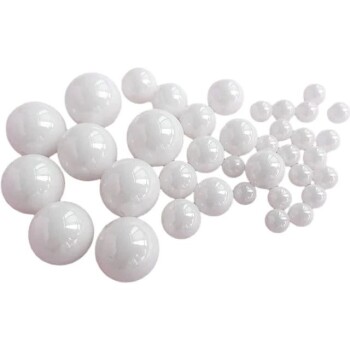
- Precision Machined Zirconia Ceramic Ball for Engineering Advanced Fine Ceramics
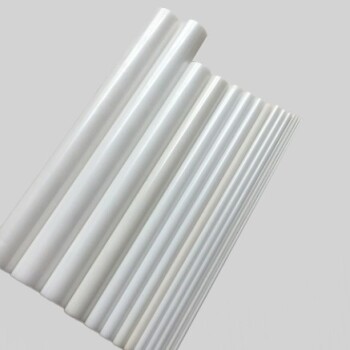
- Precision Machined Yttrium Stabilized Zirconia Ceramic Rod for Engineering Advanced Fine Ceramics
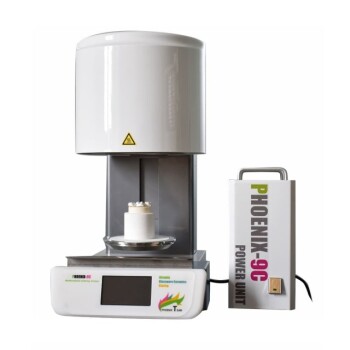
- Dental Porcelain Zirconia Sintering Ceramic Furnace Chairside with Transformer
- Dental Porcelain Zirconia Sintering Ceramic Vacuum Press Furnace
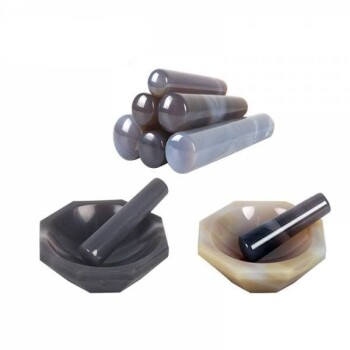
- Nature Agate Mortar and Pestle for Grinding and Mixing
People Also Ask
- What are the applications of zirconia ceramics? Unlock High-Performance Solutions for Extreme Environments
- What is the physical mechanism for selecting hard grinding media? Optimize Your ZrC-Al Matrix Composite Production
- Why are zirconia milling balls preferred for P2-type layered oxides? Ensure High Purity and Grinding Efficiency
- What is the purpose of using zirconia milling balls of different diameters? Optimize Solid Electrolyte Processing
- Why are zirconia grinding jars and balls required for solid-state electrolyte powders? Ensure High Purity & Performance