Process monitoring acts as the critical verification step within a decontamination workflow. It is the routine activity used to check that the decontamination process is adequate and to guarantee that every batch remains strictly compliant with the requirements established during validation.
While validation proves a process is capable of working, process monitoring confirms it did work for a specific cycle. It bridges the gap between established standards and daily operational reality.
The Core Objectives of Monitoring
Verifying Decontamination Adequacy
The most immediate function of process monitoring is safety.
It is used to confirm the adequacy of decontamination for the items being processed.
This ensures that the biological load has been reduced to safe levels before the items move to the next stage.
Ensuring Batch-to-Batch Consistency
A process that works "most of the time" is a failure in decontamination contexts.
Process monitoring is designed to ensure batch-to-batch compliance.
It verifies that the conditions achieved in Tuesday's batch are identical to those achieved in Monday's batch, eliminating variability.
The Relationship Between Monitoring and Validation
Validation Sets the Rules
To understand monitoring, you must understand validation.
Validation is the confirmation, provided through objective evidence, that the requirements for a process have been fulfilled.
It establishes the baseline parameters—such as time, temperature, or chemical concentration—required for success.
Monitoring Enforces the Rules
Process monitoring is the operational application of those validated parameters.
It checks the current cycle against the established validation requirements.
If the monitoring data does not match the validation evidence, the batch cannot be considered compliant.
Understanding the Limitations
Monitoring is Not a Substitute for Validation
It is a common pitfall to assume that rigorous monitoring replaces the need for initial validation.
Monitoring only tells you what happened in a specific cycle.
It does not generate the objective evidence required to prove the process design is sound; only validation can do that.
The Risk of Reactive Management
Monitoring identifies failure, but it does not prevent it.
It detects when a specific batch has failed to meet compliance standards.
Therefore, it must be viewed as a quality control measure, not a method for improving the process itself.
Establishing a Reliable System
To implement effective process monitoring, you must align your daily checks with your long-term standards.
- If your primary focus is Operational Safety: Prioritize monitoring metrics that directly indicate the adequacy of decontamination to prevent unsafe items from being used.
- If your primary focus is Quality Assurance: Ensure your monitoring protocols are strictly derived from your validation requirements to guarantee consistent compliance.
Effective process monitoring turns decontamination from an assumption into a verifiable fact.
Summary Table:
| Feature | Validation | Process Monitoring |
|---|---|---|
| Purpose | Proves the process is capable of working | Confirms the process did work for a specific cycle |
| Focus | Establishes baseline requirements (Time/Temp/Pressure) | Checks current cycle against established requirements |
| Frequency | Periodic or after system changes | Performed routinely for every batch |
| Goal | Provides objective evidence of system design | Ensures decontamination adequacy and batch consistency |
Secure Your Laboratory Compliance with KINTEK
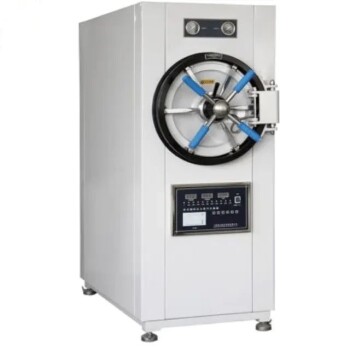
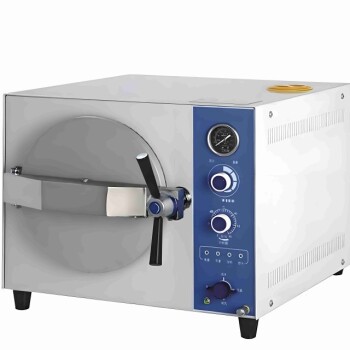
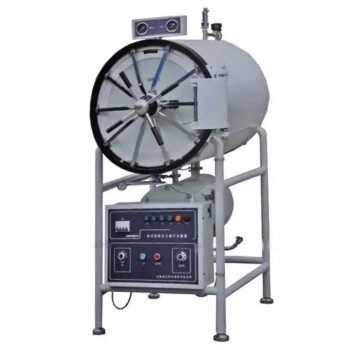
Don't leave your decontamination results to chance. At KINTEK, we understand that precise process monitoring is the backbone of laboratory safety and operational excellence. Whether you are managing complex cycles in high-temperature high-pressure reactors, maintaining sterile environments with our autoclaves, or conducting rigorous materials research using our muffle and vacuum furnaces, we provide the high-performance equipment and consumables you need to meet every validation standard.
From durable ceramics and crucibles to advanced crushing, milling, and sieving systems, our comprehensive portfolio is designed to ensure your batches are consistent, compliant, and safe every single time.
Ready to elevate your lab's precision and safety? Contact our technical experts today to find the perfect solutions for your decontamination and research workflows.
Related Products
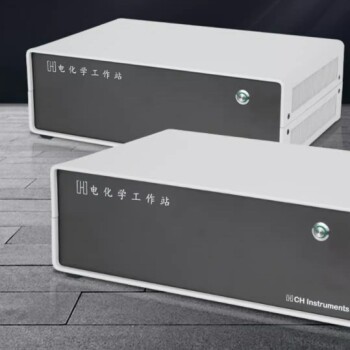
- Lab Electrochemical Workstation Potentiostat for Laboratory Use
- Multifunctional Electrolytic Electrochemical Cell Water Bath Single Layer Double Layer
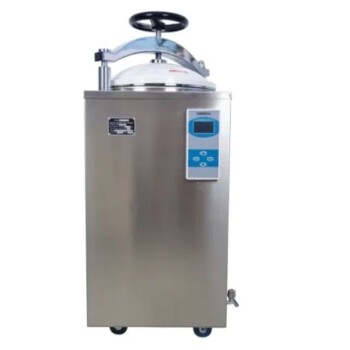
- Laboratory High Pressure Steam Sterilizer Vertical Autoclave for Lab Department
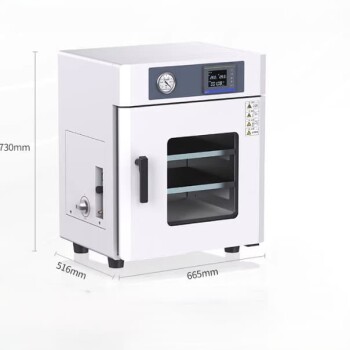
- Laboratory Scientific Electric Heating Blast Drying Oven
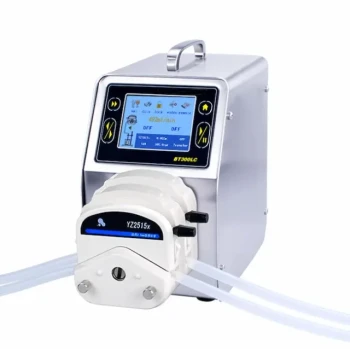
- Variable Speed Peristaltic Pump
People Also Ask
- How does an electrochemical workstation assist in assessing corrosion resistance? Quantify Laser-Remelted Steel Performance
- How does an electrochemical testing system evaluate mesoporous oxide electrodes? Precision Analysis for Battery Research
- What are the primary functions of an electrochemical workstation (Potentiostat)? Expert Titanium Alloy Corrosion Analysis
- What is the primary function of a high-precision electrochemical workstation? Optimize Your Reactor Performance
- What role do electrochemical workstations play in researching the corrosion resistance of carbon coatings? Expert Guide