In refractory applications, Silicon Carbide (SiC) is a high-performance synthetic material valued for its unique combination of thermal, mechanical, and chemical properties. Unlike traditional clay or alumina-based refractories which primarily serve as insulators, SiC is often used to enhance performance in the most demanding high-temperature environments. It provides exceptional strength, hardness, and thermal conductivity, making it a critical component for applications facing severe abrasion, chemical attack, or rapid temperature changes.
The core function of Silicon Carbide in refractories is not simply to withstand heat, but to actively improve process efficiency and equipment lifespan. Its superior thermal conductivity and mechanical strength solve critical failure points where conventional refractories would quickly degrade.
The Core Properties That Define SiC Refractories
To understand why SiC is chosen, we must look beyond its high melting point. Its value lies in a specific set of characteristics that are often superior to more common refractory oxides.
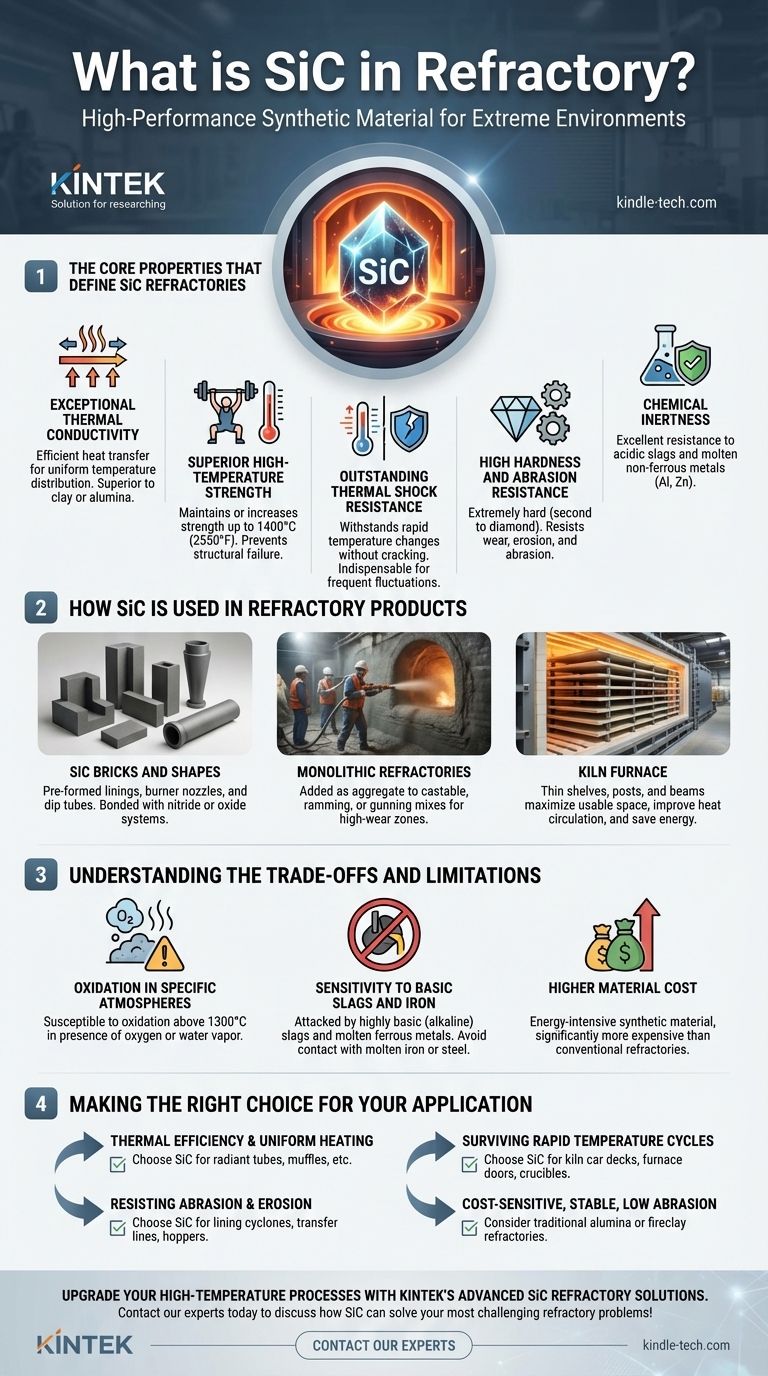
Exceptional Thermal Conductivity
SiC transfers heat far more effectively than fireclay or alumina refractories. This property is crucial for applications requiring uniform temperature distribution, such as in muffle furnaces or kiln furniture, ensuring products are heated evenly and efficiently.
Superior High-Temperature Strength
Many materials weaken significantly as they approach their temperature limits. In contrast, SiC maintains or even increases its strength at temperatures up to 1400°C (2550°F). This prevents sagging, creep, and structural failure under load in extreme conditions.
Outstanding Thermal Shock Resistance
This is perhaps SiC's most critical advantage. Due to its high thermal conductivity and relatively low thermal expansion, it can withstand rapid heating and cooling cycles without cracking. This makes it indispensable for applications like furnace doors and crucibles that experience frequent temperature fluctuations.
High Hardness and Abrasion Resistance
Silicon Carbide is an extremely hard material, second only to diamond among common industrial materials. This makes SiC-based refractories exceptionally resistant to mechanical wear, erosion, and abrasion from moving solids, turbulent liquids, or high-velocity gases.
Chemical Inertness
SiC demonstrates excellent resistance to a variety of chemical agents, including acidic slags and molten non-ferrous metals like aluminum and zinc. This allows it to be used in direct contact with materials that would corrode other types of refractories.
How SiC is Used in Refractory Products
Silicon Carbide is rarely used in its pure powder form. It is typically processed into durable products, where the bonding system is just as important as the SiC grain itself.
SiC Bricks and Shapes
Pre-formed SiC bricks and custom shapes are manufactured for furnace linings, cyclone dip tubes, and burner nozzles. The bonding method—such as nitride-bonded (Si3N4) or oxide-bonded—is chosen to optimize properties for a specific environment, like maximizing corrosion resistance or strength.
Monolithic Refractories
SiC grains are frequently added as an aggregate to castable, ramming, or gunning mixes. In these products, SiC enhances the abrasion resistance and thermal shock properties of the larger refractory installation, particularly in high-wear zones.
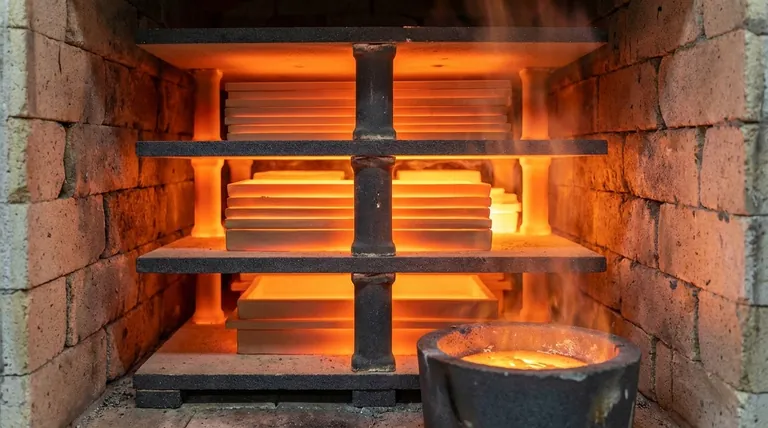
Kiln Furniture
This is a classic application for SiC. Its high strength allows for the creation of very thin shelves, posts, and beams. This maximizes the usable space inside a kiln, improves heat circulation, and reduces the energy required to heat the support structures themselves.
Understanding the Trade-offs and Limitations
While powerful, SiC is not a universal solution. Its unique chemistry presents specific limitations that must be considered.
Oxidation in Specific Atmospheres
The primary weakness of SiC is its susceptibility to oxidation at high temperatures (typically above 1300°C) in the presence of oxygen or water vapor. While a thin, passive layer of silica (SiO2) can form and protect the material, prolonged exposure or certain atmospheric conditions can lead to degradation and failure.
Sensitivity to Basic Slags and Iron
While resistant to acids, SiC can be attacked by highly basic (alkaline) slags and molten iron or steel. For this reason, it is generally not used in direct contact with molten ferrous metals in steelmaking.
Higher Material Cost
Silicon Carbide is a synthetic material produced via an energy-intensive process. As a result, it is significantly more expensive than conventional fireclay or alumina refractories. Its use must be justified by a clear performance need that other materials cannot meet.
Making the Right Choice for Your Application
Selecting a SiC refractory requires a clear understanding of the primary challenge you are trying to solve.
- If your primary focus is thermal efficiency and uniform heating: SiC's high thermal conductivity is the ideal choice for components like radiant tubes and muffles.
- If your primary focus is resisting abrasion and erosion: The extreme hardness of SiC provides unmatched performance for lining cyclones, transfer lines, and hoppers.
- If your primary focus is surviving rapid temperature cycles: SiC's excellent thermal shock resistance is critical for kiln car decks, furnace doors, and crucibles.
- If your primary focus is a cost-sensitive, stable-temperature application with low abrasion: Traditional alumina or fireclay refractories are likely a more economical and suitable choice.
Ultimately, incorporating Silicon Carbide into a refractory system is a strategic engineering decision to solve specific, severe-service challenges where conventional materials fall short.
Summary Table:
| Property | Benefit for Refractories |
|---|---|
| Exceptional Thermal Conductivity | Ensures uniform heating and energy efficiency |
| Superior High-Temperature Strength | Prevents structural failure under extreme loads |
| Outstanding Thermal Shock Resistance | Withstands rapid temperature changes without cracking |
| High Hardness & Abrasion Resistance | Resists wear from mechanical and erosive forces |
| Chemical Inertness | Protects against acidic slags and molten non-ferrous metals |
Upgrade your high-temperature processes with KINTEK's advanced SiC refractory solutions. Whether you're battling severe abrasion, rapid thermal cycles, or corrosive environments, our expertise in lab equipment and consumables ensures you get the right materials for maximum efficiency and durability. Contact our experts today to discuss how SiC can solve your most challenging refractory problems!
Visual Guide
Related Products
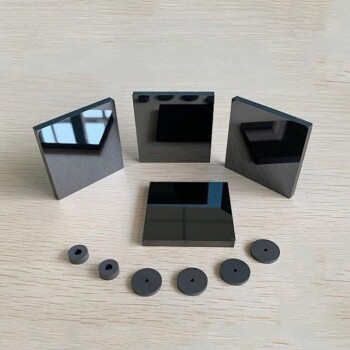
- Silicon Carbide (SIC) Ceramic Sheet Wear-Resistant Engineering Advanced Fine Ceramics
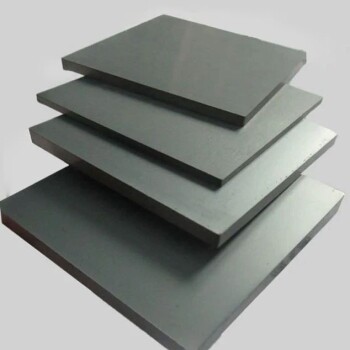
- Silicon Carbide (SIC) Ceramic Plate for Engineering Advanced Fine Ceramics
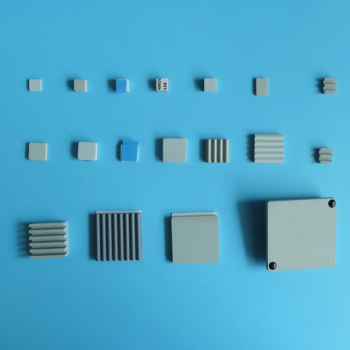
- Silicon Carbide (SIC) Ceramic Sheet Flat Corrugated Heat Sink for Engineering Advanced Fine Ceramics
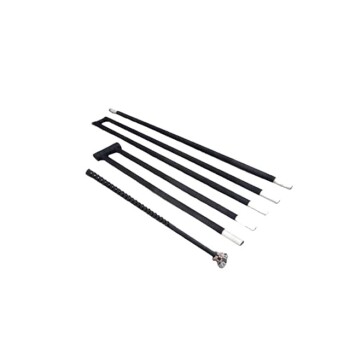
- Silicon Carbide SiC Thermal Heating Elements for Electric Furnace
People Also Ask
- What are the applications of silicon carbide? From Abrasives to High-Tech Semiconductors
- What are the uses of silicon carbide ceramics in different industries? Master Extreme Performance in Aerospace, Semiconductors & More
- What is the temperature resistance of silicon carbide? Withstands Extreme Heat Up to 1500°C
- What is the strongest ceramics? Silicon Carbide Leads in Hardness & Thermal Strength
- What are the properties and applications of silicon carbide ceramics? Solve Extreme Engineering Challenges