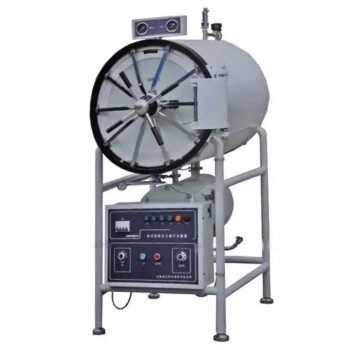
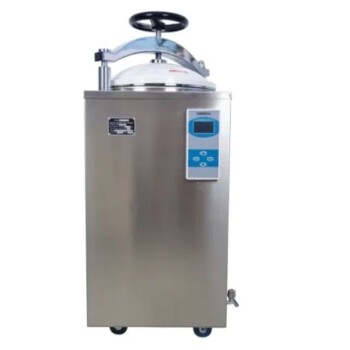
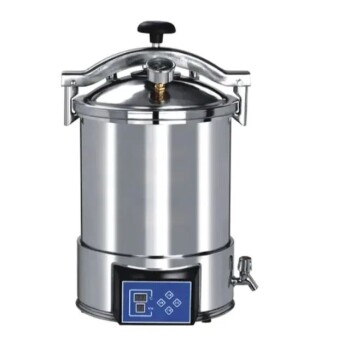
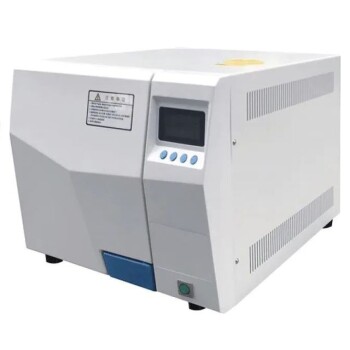
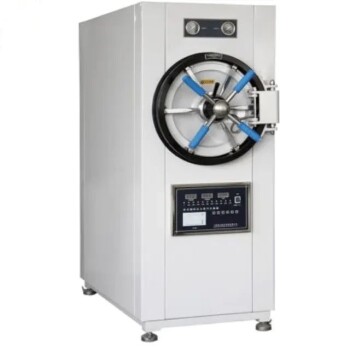
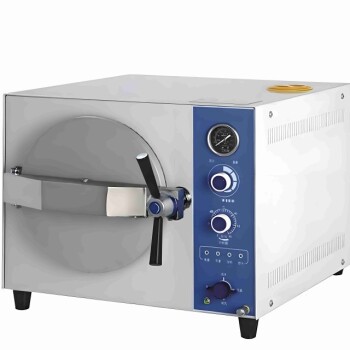
The high-pressure stainless steel autoclave reactor functions as the critical containment vessel necessary to execute the wet oxidation of pharmaceutical sludge. It provides a sealed environment that allows the process to reach and sustain temperatures between 200°C and 260°C without the water boiling away. By containing the immense pressures generated by oxygen and steam, the reactor creates the specific physical conditions required to break down complex organic waste.
The reactor’s primary role is to enable hydrothermal hydrolysis and free radical oxidation by maintaining a high-pressure, high-temperature environment, ultimately converting solid sludge into liquid for the efficient removal of contaminants.
Creating the Physical Environment for Reaction
To treat pharmaceutical sludge effectively, the waste must be subjected to conditions that standard vessels cannot withstand. The autoclave reactor bridges this gap.
Withstanding Combined Pressures
The reactor is engineered to handle significant internal stress. This pressure is not static; it is the cumulative result of the initial oxygen pressure introduced to the system and the saturated steam pressure generated by heating the liquid.
Temperature Maintenance
The vessel enables the reaction to occur at temperatures ranging from 200 to 260 degrees Celsius.
Because the reactor is sealed, the liquid phase is maintained even at these temperatures. This prevents the water from evaporating, which is essential for the "wet" aspect of wet oxidation.
Facilitating Chemical Transformations
The physical environment created by the reactor is only the means to an end. The ultimate function is to trigger specific chemical changes in the sludge.
Promoting Hydrothermal Hydrolysis
The core physical condition inside the reactor drives hydrothermal hydrolysis.
Under high heat and pressure, solid sludge particles are forced to dissolve. This effectively transfers solid waste components into the liquid phase, making them accessible for chemical treatment.
Enabling Free Radical Oxidation
Once the solids are dissolved, the reactor’s environment facilitates free radical oxidation reactions.
This is the mechanism that actually degrades the pollutants. It ensures the efficient removal of Total Suspended Solids (TSS) and lowers the Chemical Oxygen Demand (COD) of the waste.
Understanding the Operational Constraints
While the autoclave reactor enables efficient treatment, the high-pressure environment introduces specific engineering and operational challenges that must be managed.
Material Integrity
The reactor must be constructed of stainless steel or similarly robust materials.
This is necessary not only to withstand the mechanical stress of high pressure but also to resist corrosion during the aggressive breakdown of pharmaceutical compounds.
The Pressure-Temperature Balance
The efficiency of the process relies on the precise relationship between temperature and pressure.
The reactor must contain the saturated steam pressure generated by the 200-260°C heat. If the pressure is not maintained, the liquid will boil, halting the hydrolysis process and preventing effective oxidation.
Making the Right Choice for Your Goal
The utility of a high-pressure autoclave reactor depends on the specific objectives of your waste treatment process.
- If your primary focus is Solids Reduction: The reactor is essential for achieving hydrothermal hydrolysis, which liquefies solid sludge components so they can be treated.
- If your primary focus is Pollution Control: The reactor provides the necessary conditions for free radical oxidation, which is required to significantly lower Chemical Oxygen Demand (COD) and meet environmental discharge standards.
The high-pressure stainless steel autoclave is the indispensable engine that transforms physical stress into chemical purity for pharmaceutical waste management.
Summary Table:
| Feature | Function in Wet Oxidation |
|---|---|
| Temperature Range | Maintains 200°C - 260°C to prevent liquid evaporation |
| Pressure Control | Manages combined oxygen and saturated steam pressures |
| Material | High-grade stainless steel for corrosion resistance and durability |
| Primary Mechanism | Facilitates hydrothermal hydrolysis and free radical oxidation |
| Core Goal | Converts solid sludge to liquid and reduces COD/TSS levels |
Transform Your Waste Management with KINTEK Precision Engineering
Optimizing the wet oxidation process requires equipment that can withstand extreme thermal and mechanical stress. KINTEK specializes in advanced high-temperature high-pressure reactors and autoclaves specifically designed for demanding pharmaceutical and industrial applications.
Our reactors ensure the structural integrity and precise environment needed for effective hydrothermal hydrolysis and pollutant degradation. Beyond reactors, we offer a comprehensive range of laboratory solutions, including:
- High-temperature furnaces (Muffle, Tube, Vacuum, and CVD systems)
- Crushing, milling, and sieving equipment for material preparation
- Hydraulic presses and essential consumables like PTFE products and crucibles
- Cooling solutions (ULT freezers and freeze dryers) for post-reaction stability
Ready to enhance your lab’s efficiency and environmental compliance? Contact our technical experts today to find the perfect high-pressure solution for your specific research or production needs.
References
- Kaiyu Fang, Chanjuan Qu. Wet Oxidation of Pharmaceutical Sludge for the Treatment and Production of Value-Added Materials. DOI: 10.3390/pr11092747
This article is also based on technical information from Kintek Solution Knowledge Base .
Related Products
- Stainless High Pressure Autoclave Reactor Laboratory Pressure Reactor
- Mini SS High Pressure Autoclave Reactor for Laboratory Use
- High Pressure Laboratory Autoclave Reactor for Hydrothermal Synthesis
- Customizable High Pressure Reactors for Advanced Scientific and Industrial Applications
- Laboratory High Pressure Horizontal Autoclave Steam Sterilizer for Lab Use
People Also Ask
- Why is a laboratory high-pressure reactor necessary for synthesizing fly ash-based zeolite? Achieve Pure Crystallization
- Why is a laboratory high-pressure reactor used in the hydrothermal synthesis of hydroxyapatite catalysts?
- What role does a laboratory high-pressure reactor play in the leaching process of spent cathode materials? Optimize Recovery
- What conditions do laboratory high-pressure reactors provide for HTC? Optimize Your Biochar Production Processes
- How are high-pressure reactors used to prepare metaphosphate electrocatalysts? Master In-Situ Precursor Growth