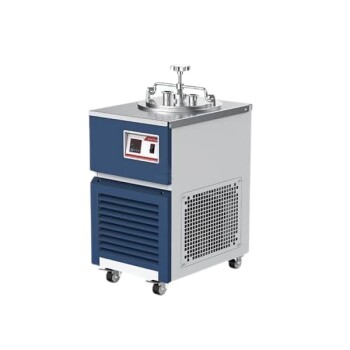
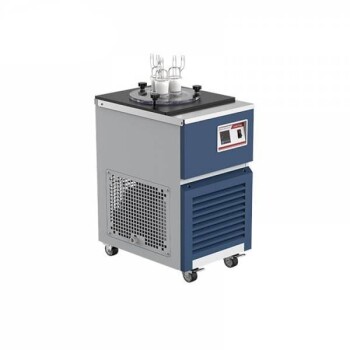
The fundamental technologies for laboratory preservation and vapor management consist of three distinct solutions: Ultra-Low Temperature (ULT) freezers, cold traps, and freeze dryers. Each serves a specific role in stabilizing sensitive materials, removing moisture through sublimation, or protecting vacuum systems by capturing volatile vapors.
Effective laboratory preservation requires balancing static storage with active vapor management. While ULT freezers maintain the long-term integrity of samples, cold traps and freeze dryers are essential for active processing and protecting vacuum infrastructure from corrosive byproducts.
The Pillars of Sample Preservation
To ensure the longevity and stability of biological or chemical materials, laboratories must utilize specific cooling technologies designed for different stages of the sample lifecycle.
Ultra-Low Temperature (ULT) Freezers
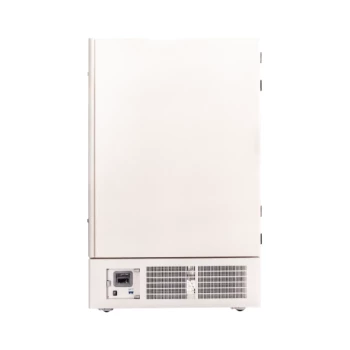
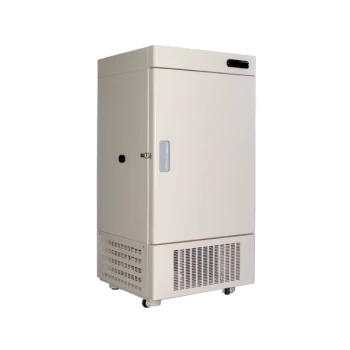
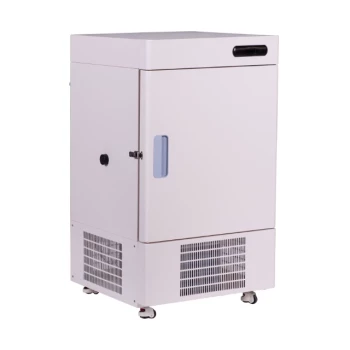
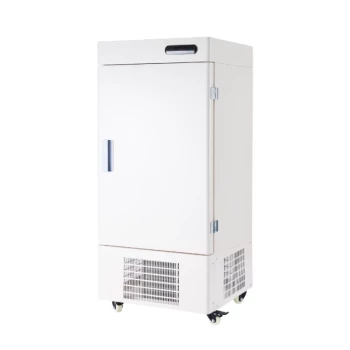
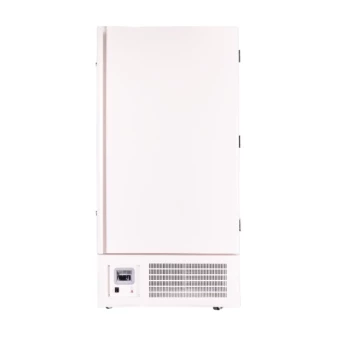
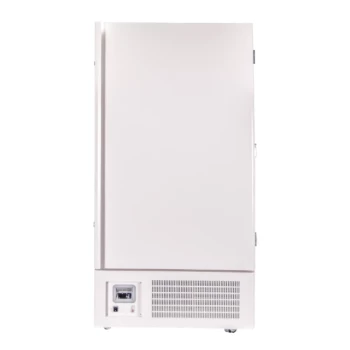
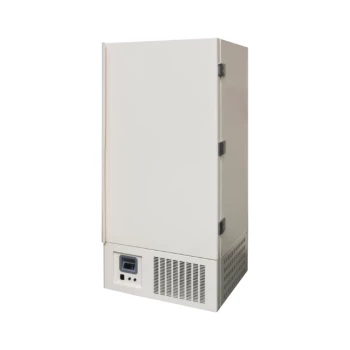
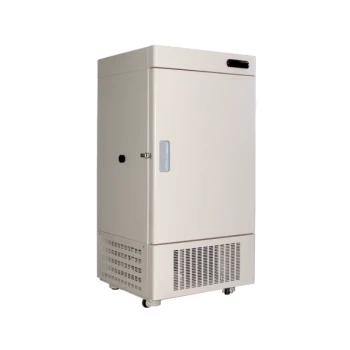
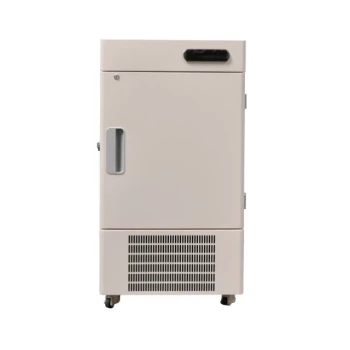
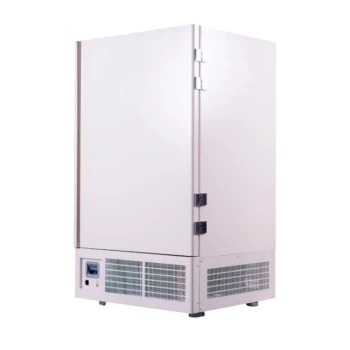
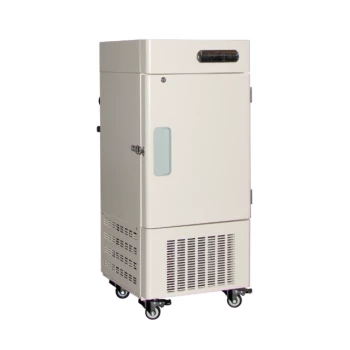
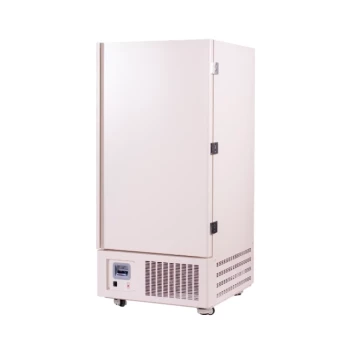
ULT freezers are the standard for long-term, static sample preservation. Their primary function is to maintain an environment sufficiently cold to halt biological activity and chemical degradation. This technology provides the stable sample storage necessary for bio-banking and critical research archives.
Freeze Dryers (Lyophilizers)
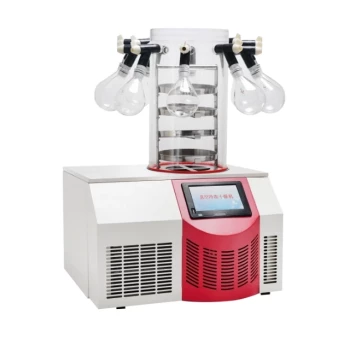
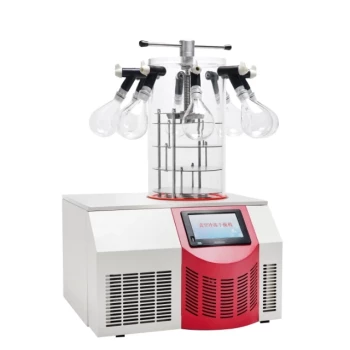
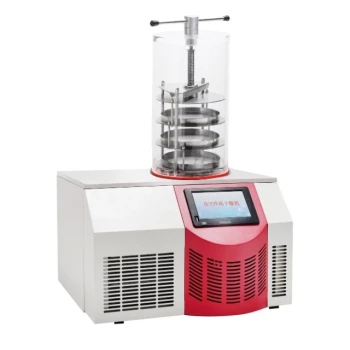
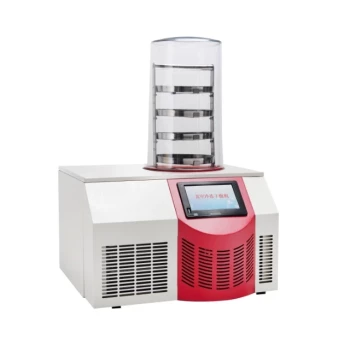
When samples require dehydration rather than simple freezing, freeze dryers are the required solution. These systems utilize a process called sublimation, where ice transforms directly into vapor without passing through a liquid phase. This allows for the dehydration of heat-sensitive materials without damaging their structure, which often occurs during standard heat-based drying.
Vapor Management and Equipment Protection
Beyond preserving the sample itself, laboratories must manage the vapors generated during processing to ensure safety and equipment reliability.
Cold Traps in Vacuum Systems
Cold traps are critical components integrated into vacuum setups. Their role is to capture and condense volatile vapors before they can reach the vacuum pump. By freezing these vapors on a cold surface, the trap prevents solvents and moisture from contaminating the pump oil or damaging the internal mechanics of the vacuum system.
Operational Considerations and Trade-offs
Selecting the correct technology requires understanding the distinction between storage needs and processing requirements.
Differentiating Storage from Processing
It is critical not to confuse ULT freezers with freeze dryers. A ULT freezer is strictly for maintaining a sample in a frozen state. A freeze dryer is an active processing tool designed to remove moisture; it is not intended for indefinite storage of hydrated samples.
The Necessity of Vapor Capture
Using a vacuum system without a cold trap presents a significant risk to equipment longevity. While it may seem like an optional accessory, omitting a cold trap allows corrosive or condensing vapors to enter the pump. This leads to frequent maintenance issues and potential pump failure, offsetting any initial cost savings.
Making the Right Choice for Your Goal
To select the appropriate cooling or storage solution, you must identify the specific phase of your sample's lifecycle.
- If your primary focus is long-term bio-banking: Prioritize Ultra-Low Temperature (ULT) freezers to ensure consistent, stable sample storage over extended periods.
- If your primary focus is preserving heat-sensitive structures: Utilize freeze dryers (lyophilizers) to dehydrate materials via sublimation, avoiding thermal damage.
- If your primary focus is protecting vacuum pumps: Implement cold traps to capture and condense volatile vapors before they contaminate your vacuum infrastructure.
By aligning your technology choice with your preservation goals, you ensure both sample quality and equipment reliability.
Summary Table:
| Technology | Primary Function | Key Process | Main Benefit |
|---|---|---|---|
| ULT Freezer | Static long-term storage | Deep freezing | Halts biological & chemical degradation |
| Freeze Dryer | Sample dehydration | Sublimation | Preserves structures of heat-sensitive materials |
| Cold Trap | Vapor management | Condensation | Protects vacuum pumps from corrosive vapors |
Enhance Your Research Precision with KINTEK Solutions
Don't compromise the integrity of your sensitive materials or the lifespan of your vacuum infrastructure. KINTEK specializes in high-performance laboratory equipment designed for the most demanding research environments. Whether you are scaling up bio-banking operations or optimizing your chemical processing, we provide the expertise and tools you need.
Our comprehensive cooling and preservation portfolio includes:
- ULT Freezers & Freeze Dryers: Superior thermal stability for critical sample storage and structural preservation.
- Cold Traps: Essential protection for your vacuum systems against volatile and corrosive vapors.
- Comprehensive Lab Solutions: From high-temperature furnaces and hydraulic presses to advanced electrolytic cells and battery research consumables.
Ready to upgrade your lab's efficiency? Contact KINTEK today to consult with our experts and find the perfect cooling or processing solution tailored to your specific application.
References
- Heping Xie, Bin Chen. Cu-modified Ni foams as three-dimensional outer anodes for high-performance hybrid direct coal fuel cells. DOI: 10.1016/j.cej.2020.128239
This article is also based on technical information from Kintek Solution Knowledge Base .
Related Products
- 938L Vertical Ultra Low Temperature Freezer for Advanced Laboratory Storage
- 208L Advanced Precision Laboratory Ultra Low Temperature Freezer for Cold Storage
- 108L Vertical Ultra Low Temperature ULT Freezer
- 158L Precision Vertical Ultra Low Freezer for Laboratory Applications
- 508L Advanced Vertical Ultra Low Temperature Freezer for Critical Laboratory Storage
People Also Ask
- What features should be considered when choosing an ultra low temperature freezer? Secure Your Samples with Precision
- How is the interior of an ultra low temperature freezer designed for optimal storage? Maximize Sample Integrity with Smart Design
- How is temperature controlled in ultra low temperature freezers? A Guide to Stable -80°C Storage
- What is an ultra-low temperature freezer? Protect Your Most Valuable Biological Samples
- What is cryopreservation and how do ultra low temperature freezers facilitate this process? Preserve Your Samples for the Long Term