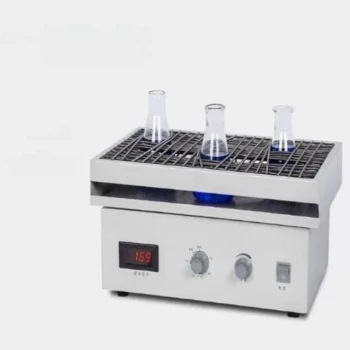
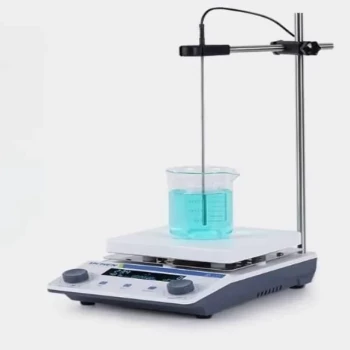
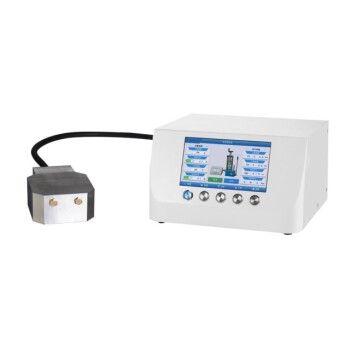
An industrial-grade thermostatic shaker is critical for batch adsorption experiments because it provides the standardized kinetic and thermal environment necessary to eliminate physical interference. By maintaining precise rotation speeds and constant temperatures, the device ensures that the interaction between the adsorbent and pollutants like benzotriazole (BTA) and lead ions (Pb2+) is governed by chemical affinity rather than inconsistent physical mixing.
The thermostatic shaker serves as the foundation for data integrity in adsorption studies, neutralizing external variables like mass transfer resistance and temperature fluctuations to reveal the true intrinsic performance of the adsorbent material.
Standardizing Kinetic Conditions
Eliminating Mass Transfer Resistance
In a static environment, a thin layer of liquid—known as the liquid film—surrounds adsorbent particles and slows the movement of BTA and Pb2+ ions. Mechanical oscillation breaks this film, effectively eliminating external mass transfer resistance and allowing ions to reach the adsorbent's active sites without obstruction.
Ensuring Uniform Solute Diffusion
Consistent shaking ensures that BTA molecules and Pb2+ ions are distributed evenly throughout the solution. This prevents local concentration gradients, where some areas of the liquid are depleted of pollutants while others remain saturated, ensuring the measured adsorption rate is accurate across the entire batch.
Preventing Particle Sedimentation
Industrial-grade shakers provide the torque necessary to keep solid adsorbent particles fully suspended in the aqueous medium. By preventing sedimentation, the shaker ensures that the entire surface area of the adsorbent remains available for contact with the lead ions and organic pollutants throughout the duration of the experiment.
Precision in Thermodynamic Modeling
Calculating Enthalpy and Entropy
Adsorption is a temperature-dependent process that requires strict thermal stability to calculate thermodynamic parameters such as enthalpy and entropy. Precise temperature management allows researchers to determine whether the removal of BTA and Pb2+ is an endothermic or exothermic process, which is vital for industrial scale-up.
Defining Equilibrium Time
To determine the maximum adsorption capacity, the system must reach a state of thermodynamic equilibrium. The shaker provides the stable kinetic conditions required to identify the exact point at which the concentration of pollutants in the solution stops changing, typically over periods of 24 hours or more.
Simulating Environmental Conditions
Batch experiments often need to mimic specific industrial or environmental settings, such as wastewater treatment at specific temperatures. An industrial-grade unit maintains these thermal setpoints with minimal deviation, ensuring that the lab results are a reliable proxy for real-world application performance.
Understanding the Trade-offs and Pitfalls
Mechanical Attrition of Adsorbents
While high rotation speeds eliminate mass transfer resistance, excessive speeds can cause physical degradation of the adsorbent particles. If the shaker speed is too high, brittle materials may break apart, artificially increasing surface area and producing misleadingly high adsorption results.
Thermal Lag in Large Batches
When using large-capacity containers, there can be a temperature lag between the shaker's sensor and the center of the liquid volume. It is critical to allow sufficient equilibration time to ensure the solution containing the BTA and Pb2+ has reached the target temperature before the adsorption process is timed.
Applying These Principles to Your Research
Making the Right Choice for Your Goal
To achieve the most reliable results in your adsorption experiments, consider the following recommendations based on your specific focus:
- If your primary focus is Kinetic Modeling: Prioritize a shaker with high-precision RPM control (e.g., ±1 rpm) to ensure that mass transfer resistance is consistently neutralized across all samples.
- If your primary focus is Thermodynamic Stability: Invest in a unit with a high-grade thermal jacket or water bath to maintain temperature within ±0.1 °C, which is essential for accurate enthalpy calculations.
- If your primary focus is Industrial Scaling: Utilize large-capacity thermostatic shakers that can handle multiple liters of solution to better simulate the fluid dynamics of a full-scale treatment plant.
By controlling the physical environment through precise thermostatic shaking, you transform a simple mixture into a rigorous scientific experiment capable of producing definitive data.
Summary Table:
| Feature | Impact on Adsorption Research | Key Benefit for BTA/Pb2+ Removal |
|---|---|---|
| Precise RPM Control | Eliminates external mass transfer resistance | Ensures interaction is governed by chemical affinity |
| Uniform Agitation | Prevents particle sedimentation & concentration gradients | Maintains maximum surface area availability |
| Thermal Stability | Enables accurate enthalpy & entropy calculations | Defines thermodynamic equilibrium precisely |
| High-Torque Motor | Supports high-capacity batches and viscous media | Simulates real-world industrial scaling conditions |
Optimize Your Adsorption Research with KINTEK
Precision is the backbone of reliable material science. KINTEK specializes in high-performance laboratory equipment designed to eliminate variables and deliver repeatable results. Whether you are modeling the kinetics of BTA removal or simulating industrial lead ion filtration, our advanced homogenizers and shakers provide the exact thermal and mechanical control your study demands.
Our extensive portfolio supports every stage of your workflow, featuring:
- Thermal Processing: High-temperature muffle, tube, and vacuum furnaces.
- Sample Preparation: Precision crushing, milling systems, and hydraulic presses.
- Advanced Reactors: High-pressure reactors, autoclaves, and electrolytic cells.
- Specialized Consumables: High-purity ceramics, crucibles, and PTFE products.
Ready to elevate your lab's efficiency and data integrity? Contact our technical experts today to find the perfect solution for your research goals.
References
- Pengyang Bian, Qinqin Shao. Performance and Mechanism of Functionalized Water Hyacinth Biochar for Adsorption and Removal of Benzotriazole and Lead in Water. DOI: 10.3390/ijms24108936
This article is also based on technical information from Kintek Solution Knowledge Base .
Related Products
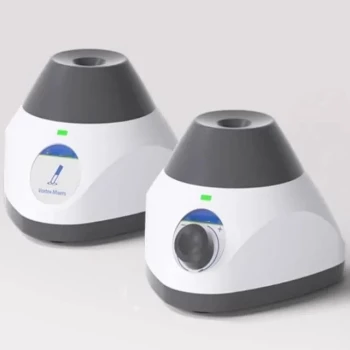
- Laboratory Vortex Mixer Orbital Shaker Multifunctional Rotation Oscillation Mixer
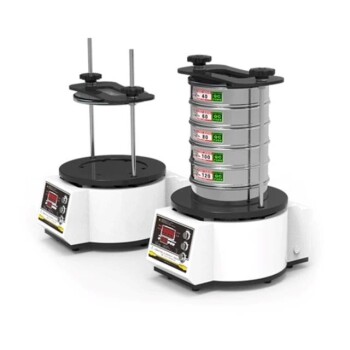
- Laboratory Wet Three-Dimensional Vibratory Sieve Shaker Machine
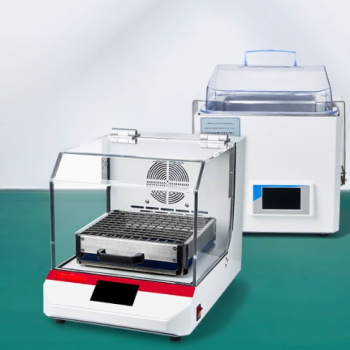
- Shaking Incubators for Diverse Laboratory Applications
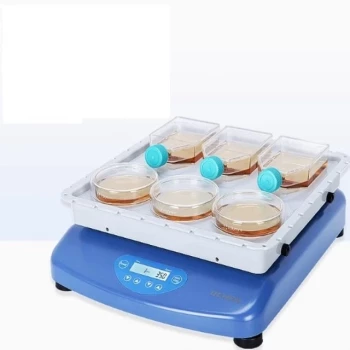
- Laboratory Oscillating Orbital Shaker
- Laboratory Multifunctional Small Speed-Adjustable Horizontal Mechanical Shaker for Lab
People Also Ask
- What is the role of a laboratory orbital shaker in copper recovery? Optimize Industrial Waste Liquid Processing
- What is the role of a laboratory orbital shaker in activated carbon synthesis? Maximize Pore Depth & Surface Area
- What is a laboratory mixer used for? Choose the Right Tool for Liquids or Solids
- What is a laboratory mixer? A Guide to Achieving Perfect Sample Homogeneity
- What are laboratory mixers used for? Achieve Perfect Sample Homogeneity and Reliable Results