Laboratory sieve shakers are essential tools for precise particle analysis across a wide range of industries. Our product line includes versatile models suitable for both dry and wet samples, ensuring accurate and efficient sieving for various applications. Key products in this category include the Dry three-dimensional vibrating sieve, perfect for sieving 20g-3kg dry samples; the Wet three-dimensional vibrating sieve, designed for dry, wet, or liquid samples; and the Dry and wet three-dimensional vibrating sieve, which combines both functionalities with a unique mechanical structure. Additionally, we offer specialized models like the PTFE mesh sieve for non-metallic applications and the Slap vibrating sieve for simulating manual sieving. Each product is engineered to deliver reliable performance and consistent results.
Toggle Categories
Get Instant Support
Choose your preferred way to connect with our team
Response Time
Within 8 hours on working days, 24 hours on holidays
laboratory sieve shaker

Laboratory Test Sieves and Vibratory Sieve Shaker Machine
Item Number: KT-V400
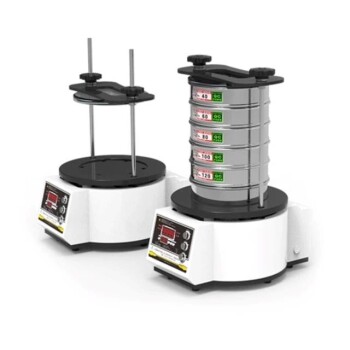
Vibratory Sieve Shaker Machine Dry Three-Dimensional Vibrating Sieve
Item Number: KT-V200
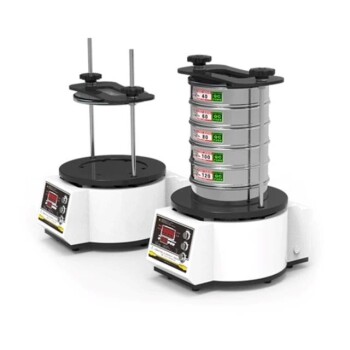
Laboratory Wet Three-Dimensional Vibratory Sieve Shaker Machine
Item Number: KT-VM200
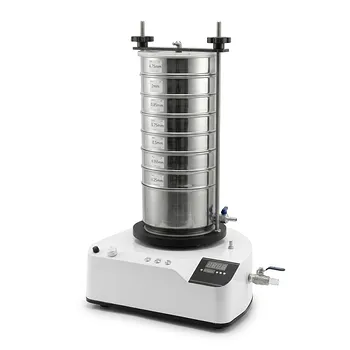
Laboratory Vibratory Sieve Shaker Machine for Dry and Wet Three-Dimensional Sieving
Item Number: KT-VD200

Laboratory Vibratory Sieve Shaker Machine Slap Vibrating Sieve
Item Number: KT-T200TAP

Three-dimensional electromagnetic sieving instrument
Item Number: KT-VT150
Comprehensive Overview of Laboratory Sieve Shakers
Laboratory sieve shakers are indispensable tools in various industries, including food, construction, mining, and environmental testing. These devices are designed to separate particles by size, ensuring accurate and consistent results for quality control and research purposes. Our range of laboratory sieve shakers includes models tailored for specific applications, such as dry, wet, and liquid sample analysis.
Key Features and Benefits
- Versatility: Our sieve shakers can handle a wide range of sample types, from dry powders to wet slurries and liquid suspensions. This makes them ideal for diverse applications, including soil analysis, food testing, and material characterization.
- Precision and Accuracy: Equipped with advanced vibration mechanisms, our sieve shakers ensure consistent sieving action, leading to reliable and repeatable results. The adjustable vibration frequency and amplitude allow for precise control over the sieving process.
- Durability and Ease of Use: Constructed with high-quality materials such as stainless steel, our sieve shakers are built to withstand rigorous use. The smooth surfaces and corrosion-resistant components make cleaning and maintenance straightforward.
- Customizable Options: We offer a variety of sieve sizes and configurations to meet specific testing requirements. Our PTFE mesh sieves, for example, are perfect for applications where metal contamination is a concern.
- Efficiency: Automated operation with programmable timers and adjustable settings reduces manual labor and speeds up the sieving process. This is particularly beneficial for high-throughput laboratories.
Applications
Our laboratory sieve shakers are used in a multitude of industries for various purposes:
- Food Industry: Ensuring the quality and consistency of raw materials and finished products.
- Construction and Civil Engineering: Analyzing aggregates and construction materials for road paving and building projects.
- Mining and Metallurgy: Testing raw materials and metal powders for quality control.
- Environmental Science: Conducting soil and sediment analysis for environmental assessments.
- Pharmaceuticals: Verifying the particle size distribution of active ingredients and excipients.
Why Choose Our Laboratory Sieve Shakers?
- Proven Reliability: Our products are rigorously tested to ensure they meet the highest standards of quality and performance.
- Expert Support: Our team of experts is available to provide guidance and support, helping you select the right equipment for your needs.
- Custom Solutions: We understand that every laboratory has unique requirements. We offer customizable options to tailor our sieve shakers to your specific applications.
For more information or to discuss your specific needs, please contact us. Our team is ready to assist you in finding the perfect solution for your laboratory sieving requirements.
FAQ
What Are The Main Applications Of Laboratory Sieve Shakers?
What Are The Key Features Of Laboratory Sieve Shakers?
How Does A Laboratory Sieve Shaker Work?
What Are The Advantages Of Using A Laboratory Sieve Shaker?
What Types Of Laboratory Sieve Shakers Are Available?
REQUEST A QUOTE
Our professional team will reply to you within one business day. Please feel free to contact us!
Related Articles
The Architecture of Certainty: Why Three Electrodes Are Better Than Two
Discover why the three-electrode system is the standard for electrochemical precision, separating current flow from voltage measurement for true analytical clarity.
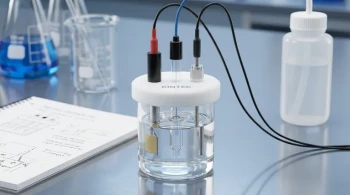
The Choreography of Electrons: Why Precision Demands a Trinity
Precision in coating evaluation isn't about power; it's about separation. Discover why the three-electrode system is the only way to silence electrochemical noise.
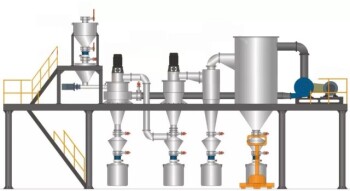
10 Common Dry Ultrafine Crushing Processes
Overview of various dry ultrafine crushing methods and their components.
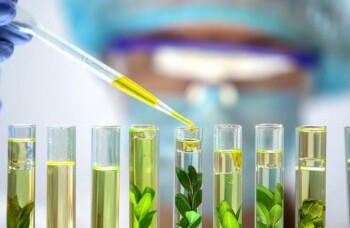
Advanced International Plant Extraction Science and Technology
Exploring cutting-edge methods in essential oil extraction, including supercritical CO2, supramolecular, and targeted extraction techniques.
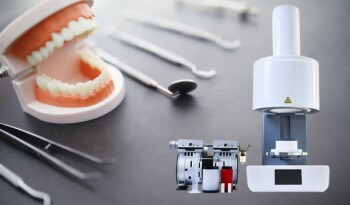
Major Equipment in a Dental Laboratory
Overview of essential dental lab equipment including casting, porcelain, polishing, and more.

Basic Laboratory Centrifuge Equipment
Overview of different types of centrifuges used in laboratories.

Basic Laboratory Purification Equipment Overview
An overview of essential purification equipment used in laboratories, including water purification, solvent evaporation, and waste treatment systems.

Basic Mixing Equipment in the Laboratory
Overview of essential laboratory mixing devices and their functionalities.

Comprehensive Guide to Handheld Soil Analyzers: Features, Benefits, and Applications
Explore the capabilities of Handheld Soil Analyzers like AXR600, their role in rapid on-site soil screening, and how they minimize analysis costs and time. Ideal for environmental monitoring and remediation.

Sieving technology for particle size analysis and its applications
Introducing screening technology, explaining the working principle of vibrating screens and the advantages of using them for particle size analysis in screening technology. Learn about the types of vibrating screens and how to choose one.

Comprehensive Guide to Handheld Soil Analyzers: Revolutionizing Soil Testing and Remediation
Explore the capabilities of Handheld Soil Analyzers like AXR600, which offer rapid detection of heavy metals and reduce soil testing costs. Ideal for environmental monitoring and remediation.

Unlocking the Power of Sieving Machines: Functions, Applications and Maintenance
Discover the significance of sieving machines in various industries and the essential functions they serve. Learn about the the maintenance requirements for optimal performance. Explore the benefits of using sieve shakers for automating the particle separation process.

Key Features of the Micro Tissue Grinder: Usage, Advantages, and Applications
Discover the key features of the Micro Tissue Grinder, including usage instructions, advantages, and application fields. Learn the principles and structure of the Micro Tissue Grinder, and explore its benefits in sample preparation and industrial settings.
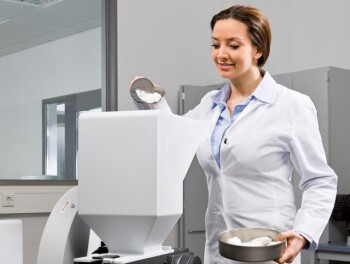
Laboratory Crushers: A Comprehensive Guide to Their Uses and Functionality
Laboratory crushers play a crucial role in scientific research and analysis. These crushers, commonly known as jaw crushers, are indispensable in obtaining accurate and consistent results for sample preparation.

What is a Laboratory Crusher Used For?
Discover the uses and working mechanism of laboratory crushers. Explore various types of crushing equipment and their applications. Learn how laboratory crushers play a crucial role in scientific analysis and environmental studies.
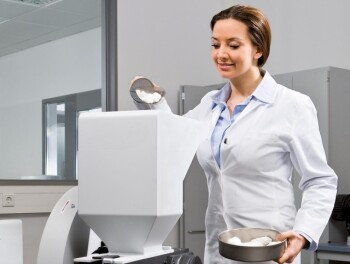
The Three Stages of Lab Crushing: A Comprehensive Guide
Learn about the three stages of crushing: primary, secondary, and tertiary, and how they are used in sample preparation for scientific analysis. Discover the different types of crushers and their applications in reducing bulky materials into smaller particles.
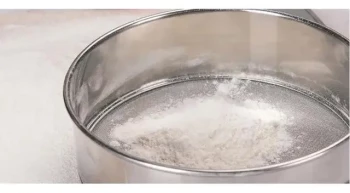
Innovative screening technology: Laboratory three-dimensional vibrating screen leads the new industry standard
Learn about the working principle of the dry three-dimensional vibrating screener and its applications. Understand the vibration force generation and three-dimensional throwing motion. Discover the adjustment function and intelligent control of the screener. Explore the features and benefits of using the dry three-dimensional vibrating screener in laboratory and industrial settings.
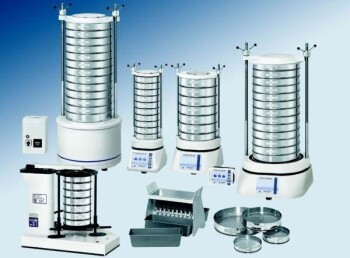
Revolutionizing Lab Efficiency: The Ultimate Guide to Laboratory Sieving Machines
Discover the common sieving methods used in laboratory analysis. Learn about single sieve and sieve set sieving, dry and wet sieving, and other techniques for effective particle separation. Find out how sieving has evolved over time and its importance in quality assurance.

The Ultimate Guide to the Application and Benefits of Vibratory Sieve Shaker in Laboratory Testing
Discover the extensive application of vibratory sieve shaker in laboratory testing for industries such as food, medicine, chemical, and more. Learn about the benefits of using a sieve shaker.

Three-Dimensional Vibrating Sieve: Working Principle and Application Fields
Discover the working principle and application fields of the three-dimensional vibrating screener. Learn how this laboratory equipment uses vibration force to efficiently separate and analyze granular materials. Explore its uses in the pharmaceutical, chemical, and various other industries.