Tungsten wire is the preferred choice for rigid electrodes because of its unique chemical compatibility with gallium-based liquid metals. Unlike most common conductors, tungsten does not react with gallium to form brittle intermetallic compounds, preserving the electrical integrity and physical durability of the connection over time.
The selection of tungsten hinges on its chemical inertness toward gallium and its superior mechanical strength. This combination prevents contact degradation and ensures that the transition from fluid cables to rigid external circuits remains stable under thermal and physical stress.
The Chemical Imperative: Gallium Compatibility
Preventing Intermetallic Compound Formation
Most conventional conductors, such as copper, gold, or aluminum, readily react with gallium to form intermetallic compounds. These reactions essentially "consume" the solid metal, leading to rapid corrosion and structural failure at the interface.
Tungsten is one of the few metals that remains chemically stable when in contact with liquid gallium. By resisting these chemical reactions, tungsten ensures that the boundary between the liquid metal and the rigid electrode remains distinct and functional.
Ensuring Low Contact Resistance
When intermetallic compounds form, they typically introduce a layer of high electrical resistance at the junction. This can lead to signal loss, localized heating, and eventually a total circuit break.
Because tungsten does not form these layers, it maintains long-term electrical reliability. This stability is especially critical in high-temperature environments where chemical reactions would otherwise accelerate.
Mechanical and Thermal Advantages
High Yield Strength and Elastic Modulus
Connecting a fluid-filled cable to a rigid circuit requires an interface that can withstand mechanical tension. Tungsten possesses a high elastic modulus and yield strength, providing the necessary rigidity to act as a stable anchor.
These mechanical properties make it ideal for creating "plugs" or headers that can be handled during assembly without deforming. This ensures the physical geometry of the connection remains constant throughout the device's lifespan.
Resistance to Thermal Degradation
Manufacturing processes and high-power applications often subject electronic components to intense heat. Tungsten’s high melting point and temperature resistance prevent the electrode from softening or losing its mechanical properties.
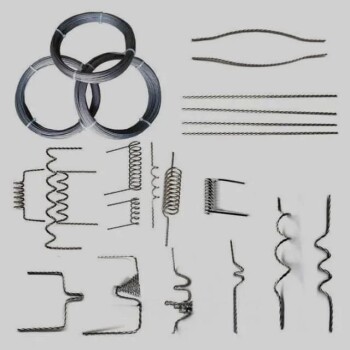
Doped tungsten variants are even used in helical springs for high-temperature devices. This thermal robustness ensures that the connection point does not fail during soldering or while operating in extreme conditions.
Understanding the Trade-offs
Brittleness and Handling
While tungsten is incredibly strong, it is also notoriously brittle at room temperature compared to copper. This means that while it resists deformation, it can snap if subjected to sharp bends or sudden impacts.
Fabrication Challenges
Tungsten is difficult to machine and cannot be soldered using standard electronic fluxes and solders. Engineers must often use mechanical crimping or specialized conductive epoxies to bridge the gap between the tungsten electrode and the rest of the PCB.
How to Apply This to Your Project
When integrating liquid metal cables into your hardware design, the choice of electrode material will define the lifespan of your device.
- If your primary focus is long-term signal integrity: Use tungsten electrodes to prevent the formation of resistive intermetallic layers at the gallium interface.
- If your primary focus is high-temperature operation: Select doped tungsten wire, as its mechanical properties remain stable even when subjected to extreme thermal cycling.
- If your primary focus is ease of manufacturing: Consider using tungsten only at the immediate liquid metal interface, transitioning to copper for the remainder of the external circuit to simplify soldering.
By prioritizing chemical stability at the interface, you ensure the fluid nature of your circuit does not compromise its permanent electrical connection.
Summary Table:
| Key Property | Tungsten Advantage | Impact on Performance |
|---|---|---|
| Chemical Stability | Inert to Gallium | Prevents brittle intermetallic growth and corrosion |
| Electrical Integrity | Low Contact Resistance | Ensures stable signal transmission without localized heating |
| Mechanical Strength | High Elastic Modulus | Provides a rigid, stable anchor for fluid-filled cables |
| Thermal Resistance | Extremely High Melting Point | Maintains structural integrity under intense thermal stress |
Elevate Your Research with KINTEK’s Precision Solutions
Are you developing cutting-edge electronics or high-temperature systems? KINTEK specializes in providing the high-performance laboratory equipment and specialized consumables needed for advanced material research.
Our extensive portfolio includes high-temperature furnaces (vacuum, CVD, and atmosphere), high-pressure reactors, and a comprehensive range of consumables like ceramics, crucibles, and tungsten components. Whether you are a researcher focused on signal integrity or a distributor seeking reliable OEM/ODM support and certified quality, KINTEK delivers the reliability your projects demand.
Contact us today to discover how our expertise in laboratory equipment and material science can optimize your results!
References
- Luka Morita, Dan Sameoto. Towards High Efficiency and Rapid Production of Room-Temperature Liquid Metal Wires Compatible with Electronic Prototyping Connectors. DOI: 10.3390/mi14122227
This article is also based on technical information from Kintek Solution Knowledge Base .
Related Products
- Thermally Evaporated Tungsten Wire for High Temperature Applications
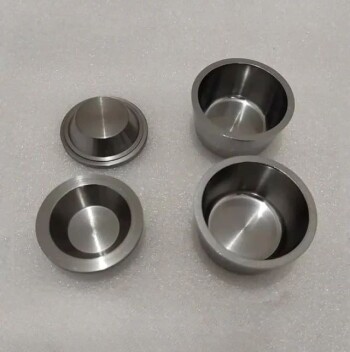
- Electron Beam Evaporation Coating Tungsten Crucible and Molybdenum Crucible for High Temperature Applications
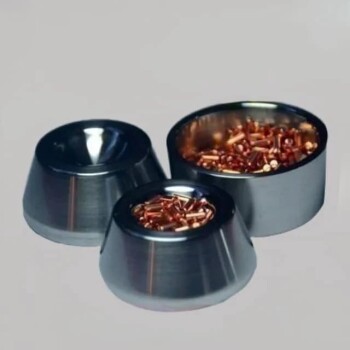
- Electron Beam Evaporation Coating Gold Plating Tungsten Molybdenum Crucible for Evaporation
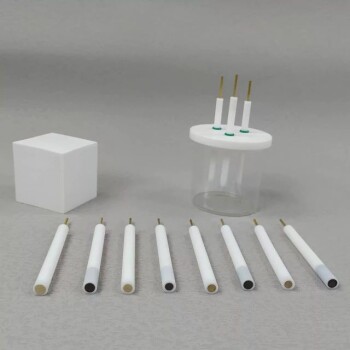
- Metal Disc Electrode Electrochemical Electrode
People Also Ask
- What are the disadvantages of tungsten filament? Key Limitations in Lighting Technology
- Does heat affect tungsten? Harnessing the Power of the Metal with the Highest Melting Point
- Is tungsten the most heat resistant material? It depends on your application's environment.
- What metal is closest to tungsten? Find the Best Alternative for Your High-Temp Needs
- Can tungsten withstand high temperature? Unlocking its full potential in extreme heat environments