
Optical Materials
Infrared Thermal Imaging Temperature Measurement Double-Sided Coated Germanium Ge Lens
Item Number : KTOM-CGL
Price varies based on specs and customizations
- Material
- high-purity single crystal (Ge)
- Passing wavelength
- 2000-20000nm

Shipping:
Contact us to get shipping details Enjoy On-time Dispatch Guarantee.
Why Choose Us
Easy ordering process, quality products, and dedicated support for your business success.
Germanium (Ge) lens
Germanium (Ge) is a crystalline material renowned for having the highest refractive index (4.0026 at 11µm) among commonly used infrared materials. This exceptional refractive index enables uncoated germanium to function as a natural 50% beamsplitter in the wavelength range of 2 to 14µm. Additionally, germanium exhibits remarkable hardness and density, making it an excellent choice as a substrate for infrared optical components that demand robustness in optical systems.
Detail & Parts


Applications of Germanium lens
- Thermal Imaging: Germanium lenses are widely used in thermal imaging systems due to their excellent transmission capabilities in the infrared spectrum. They allow for the accurate capture and focusing of thermal radiation, enabling the detection and analysis of heat signatures.
- Infrared Imaging and Surveillance: Germanium lenses are essential in infrared imaging and surveillance systems. They enable the capture of images in the infrared range, allowing for enhanced visibility in low-light or nighttime conditions.
- Remote Sensing: Germanium lenses play a crucial role in remote sensing applications, including aerial and satellite imaging. They facilitate the collection of data from the Earth's surface or atmosphere, aiding in environmental monitoring, weather forecasting, and scientific research.
- Laser Systems: Germanium lenses are used in laser systems, especially in the infrared region. They help shape and focus laser beams with high precision, contributing to applications such as laser cutting, material processing, and medical laser systems.
Properties of optical Germanium
| Density | 5.33 g/cm3 |
| Melting Point | Face-centred Cubic |
| Refractive Index | 4.002 @ 11µm |
| Operating Temperature | < 100°C |
Provide customized services
Through the implementation of innovative and state-of-the-art melting processes, we have acquired extensive expertise in the development and manufacture of quality glass products, offering a wide range of optical glass products for a variety of commercial, industrial and scientific applications. The company provides various specifications of optical glass such as raw glass, cut parts and finished components, and cooperates closely with customers to customize products according to customer needs. With an unwavering commitment to quality, we ensure our customers receive the perfect solution tailored to their requirements.
For further quotations, please contact us.
Trusted by Industry Leaders
FAQ
Why Is Germanium Used In Lenses?
Is Germanium Used In Camera Lenses?
Why Is Germanium Preferred?
REQUEST A QUOTE
Our professional team will reply to you within one business day. Please feel free to contact us!
Related Products
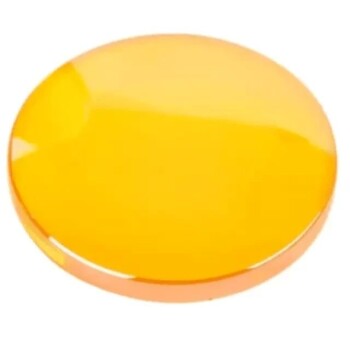
Zinc Selenide ZnSe Optical Window Glass Substrate Wafer and Lens
Zinc selenide is formed by synthesizing zinc vapor with H2Se gas, resulting in sheet-like deposits on graphite susceptors.
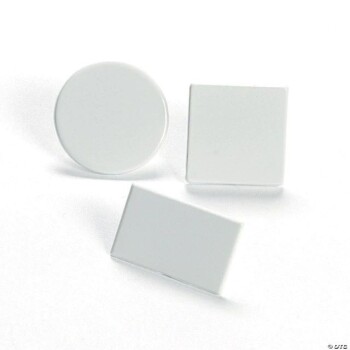
Infrared High Resistance Single Crystal Silicon Lens
Silicon (Si) is widely regarded as one of the most durable mineral and optical materials for applications in the near-infrared (NIR) range, approximately 1 μm to 6 μm.
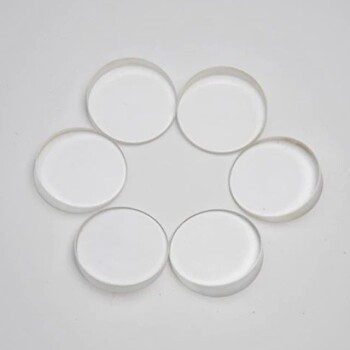
Optical Window Glass Substrate Wafer CaF2 Substrate Window Lens
A CaF2 window is an optical window made of crystalline calcium fluoride. These windows are versatile, environmentally stable and resistant to laser damage, and they exhibit a high, stable transmission from 200 nm to about 7 μm.
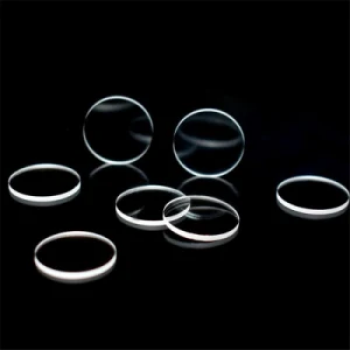
High Temperature Resistant Optical Quartz Glass Sheet
Discover the power of optical glass sheets for precise light manipulation in telecommunications, astronomy, and beyond. Unlock advancements in optical technology with exceptional clarity and tailored refractive properties.
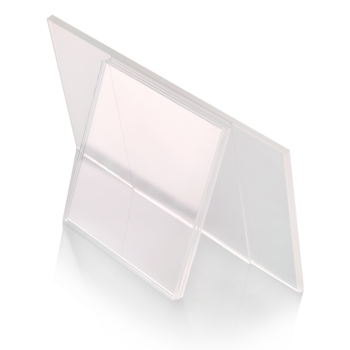
Optical Window Glass Substrate Wafer Quartz Plate JGS1 JGS2 JGS3
The quartz plate is a transparent, durable, and versatile component widely used in various industries. Made from high-purity quartz crystal, it exhibits excellent thermal and chemical resistance.