Introduction to Pressure Vessels
Definition and Classification
A pressure vessel is a closed piece of equipment designed to hold gases or liquids at a specific pressure. These vessels are integral to various industrial and laboratory processes, necessitating rigorous safety standards and oversight. To facilitate effective scientific management and safety supervision, China's Pressure Vessel Safety Supervision Regulations categorize pressure vessels based on several critical factors:
- Working Pressure: Vessels are classified according to the pressure levels they are designed to withstand, which can range from low to extremely high pressures.
- Medium Hazards: The classification also considers the inherent dangers of the substances contained within, such as flammability, toxicity, and reactivity.
- Role in Production: The function of the pressure vessel within the production process is another key criterion, determining its operational requirements and safety protocols.
These classifications ensure that each type of pressure vessel is subject to appropriate regulatory standards and safety inspections, thereby minimizing risks and enhancing overall safety in their use.
Common Pressure Vessels in Laboratories
In educational and research settings, laboratories often rely on a variety of pressure vessels to conduct experiments and store essential gases. These vessels are integral to the functionality of the lab, ensuring that experiments can proceed safely and efficiently.
Gas cylinders are among the most frequently used pressure vessels in laboratories. These cylinders come in various types, each designed to store specific gases under pressure. Common examples include:
- Oxygen Cylinders: Essential for experiments requiring oxidative processes and life support systems.
- Hydrogen Cylinders: Used in experiments involving hydrogen gas, which is highly flammable and requires careful handling.
- Nitrogen Cylinders: Employed in experiments where an inert atmosphere is necessary to prevent oxidation.
- Liquefied Gas Cylinders: Contain gases that are stored in a liquid state, such as liquid nitrogen, which is crucial for cryogenic experiments.
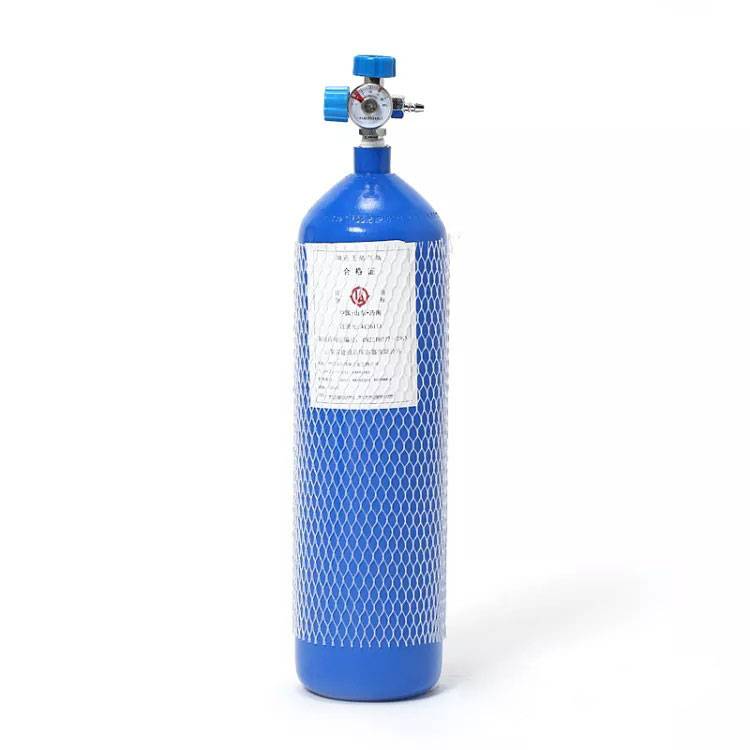
In addition to gas cylinders, laboratories also utilize high pressure reactors. These specialized vessels are designed to withstand high pressures and temperatures, enabling complex chemical reactions that would not be possible under normal conditions. High-pressure reactors are often used in synthesis and catalysis research, where precise control over pressure and temperature is critical.
By understanding the specific types and uses of these pressure vessels, laboratory personnel can better manage the associated risks and ensure the safe conduct of experiments.
Dangers of Pressure Vessels
Explosion and Combustion
Explosions involving pressure vessels in laboratory settings can be categorized into two primary types: bottle explosions and gas leakage explosions. Bottle explosions typically occur due to excessive internal pressure within the container or due to design and installation flaws in the pressure vessel. These defects can lead to catastrophic failure of the vessel, resulting in a violent release of energy.
Gas leakage explosions, on the other hand, are often triggered by the escape of flammable gases, which can mix with air to form an explosive mixture. This type of explosion can also be caused by oxygen leakage, which can intensify combustion or even lead to an explosion. The following table outlines the key differences between these two types of explosions:
| Type of Explosion | Primary Cause | Consequence |
|---|---|---|
| Bottle Explosion | Excessive pressure, design/installation defects | Catastrophic failure, violent energy release |
| Gas Leakage Explosion | Flammable gas leakage, oxygen leakage | Formation of explosive mixtures, intensified combustion |
Understanding these distinctions is crucial for implementing effective safety measures and preventing such incidents in laboratory environments.
Asphyxiation, Burns, and Poisoning
Asphyxiation, burns, and poisoning are critical hazards associated with the improper use and maintenance of laboratory pressure vessels. Asphyxiation can occur when inert gases, such as nitrogen or argon, leak into confined spaces without adequate ventilation. This can happen in poorly ventilated areas or when ventilation systems are not properly designed or maintained, leading to a lack of oxygen and potential suffocation.
Burns are another significant risk, particularly in environments where high-temperature steam is generated. If this steam is not effectively managed or removed, it can cause severe burns to personnel. Additionally, the absence of protective barriers around high-temperature equipment, such as autoclaves or high-pressure reactors, increases the likelihood of accidental contact burns.
Poisoning is a grave concern due to the potential leakage of toxic and hazardous gases. This can result from faulty experimental procedures or the use of unqualified pressure equipment. Such leaks can expose individuals to harmful substances, leading to acute or chronic health issues. For instance, the accidental release of chlorine or sulfur dioxide can cause respiratory distress and other severe health effects.
| Hazard | Description | Prevention Measures |
|---|---|---|
| Asphyxiation | Inert gas leaks in confined spaces, poor ventilation | Ensure proper ventilation systems, use confined space entry permits, regular checks |
| Burns | High-temperature steam, lack of protective barriers | Implement steam management systems, install protective barriers, regular training |
| Poisoning | Leakage of toxic gases due to faulty equipment or procedures | Regular equipment inspections, use qualified pressure vessels, proper handling |
These hazards underscore the importance of rigorous safety protocols and regular maintenance to mitigate risks and ensure a safe laboratory environment.
Corrosion and Smash
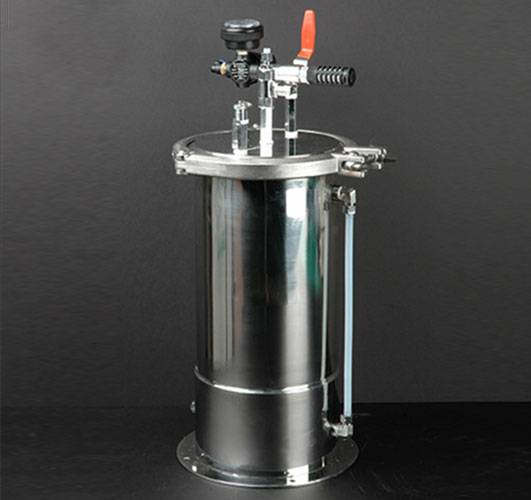
Corrosion of gas cylinders is a significant hazard in laboratory settings, often stemming from the improper handling of corrosive gases. When these gases are not managed according to safety regulations, they can lead to the degradation of the cylinder's material, compromising its structural integrity. This corrosion can occur over time, gradually weakening the cylinder and potentially leading to catastrophic failures if not promptly addressed.
In addition to corrosion, the physical handling of gas cylinders poses another set of risks. Cylinders that are not properly secured can easily fall or tip over, especially during transport or storage. These incidents not only damage the cylinders but also pose a direct threat to personnel safety. A falling cylinder can cause severe injuries, underscoring the importance of rigorous safety protocols during handling.
To mitigate these risks, several safety measures must be implemented. First, all corrosive gases should be handled with the utmost care, following strict regulatory guidelines to prevent any form of material degradation. Second, cylinders must be securely fastened during transportation and storage to prevent any unintended tipping or falling. By adhering to these precautions, laboratories can significantly reduce the risk of corrosion-related failures and physical injuries associated with improperly handled cylinders.
Safety Precautions for Pressure Vessels
Precautions for Gas Cylinders
When handling gas cylinders, it is imperative to ensure they are equipped with all necessary accessories. The storage location for these cylinders must be meticulously chosen to mitigate potential risks. Specifically, the storage area should be situated away from any heat sources, ensuring a buffer of at least 10 meters from office and living areas.
Additionally, the storage site must be well-ventilated, with a flat and dry ground to prevent any accidental tipping or corrosion. The number of gas cylinders stored should be kept to a minimum, reflecting the immediate operational needs. This practice not only reduces the risk of accidents but also facilitates easier management and monitoring of the stored cylinders.
For a more structured overview, consider the following points:
- Location and Distance: Ensure the storage area is at least 10 meters away from any heat sources, offices, and living areas.
- Environmental Conditions: The site should be well-ventilated, with a flat and dry ground to prevent tipping and corrosion.
- Inventory Management: Store only the minimum number of cylinders required for immediate operations to minimize risk and simplify management.
Precautions for High Pressure Reactors
Before each use, the high pressure reactor should undergo a meticulous inspection to identify any potential cracks or damages. This proactive approach ensures that the reactor is in optimal condition, thereby mitigating the risk of unforeseen failures during operation. It is imperative to familiarize oneself with the chemical properties of the reactor's material, particularly its resistance to the chemicals intended for use. For instance, while stainless steel reactors are commonplace, their chemical resistance can vary significantly depending on the grade.
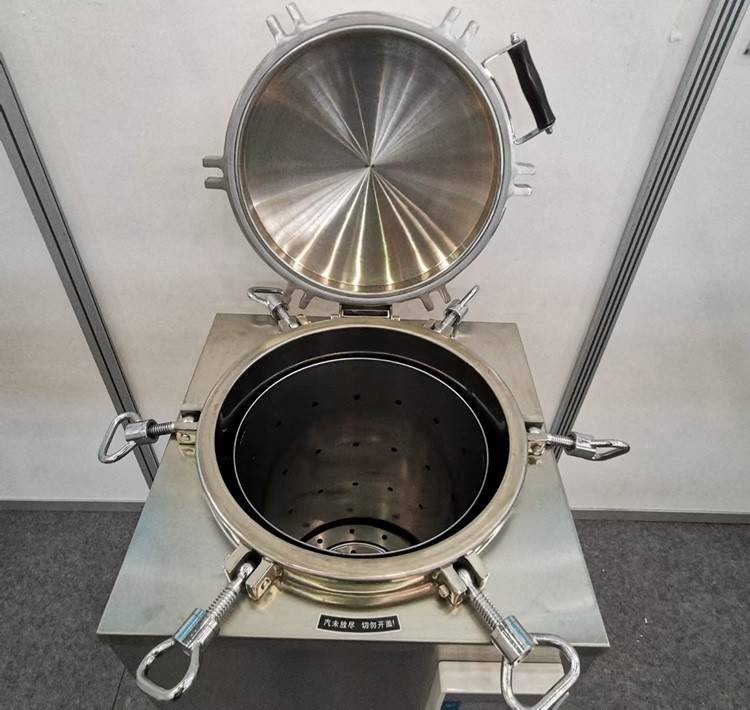
The reactor should be deployed exclusively in designated areas, where the environmental conditions are conducive to safe operation. This includes ensuring that the setup meets the specific chemistry needs of the reaction, as modifications or mishandling could compromise safety. For example, an inlet/outlet valve that has been bent due to improper handling could lead to leaks or other hazardous conditions.
Operating the high pressure reactor strictly in accordance with the manufacturer's instructions is non-negotiable. This involves not only adhering to the prescribed procedures but also ensuring that all safety protocols, including those outlined in existing in-house guidance, are meticulously followed. It is crucial to refresh oneself on any specific safety precautions that may be unique to the laboratory environment, as safety rules and regulations are subject to updates and revisions.
In summary, the safe operation of high pressure reactors hinges on thorough pre-use inspections, proper placement, and unwavering adherence to operational guidelines. By prioritizing these precautions, laboratory personnel can significantly reduce the risk of accidents and ensure a safer working environment.
Precautions for Autoclave Sterilizers
When operating an autoclave sterilizer, it is imperative that only trained and qualified personnel handle the equipment. The entire sterilization process should be closely monitored by a designated individual to ensure safety and efficacy. While modern autoclaves are equipped with automatic water level protection systems, it is crucial not to solely rely on these features. Operators must consistently check the water level to prevent the electric heating tube from overheating and potentially causing damage.
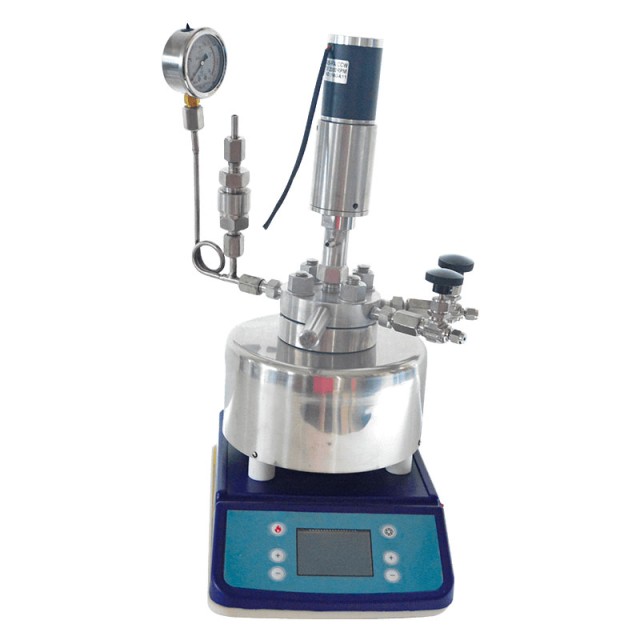
In addition to monitoring the water level, several other precautions should be observed:
- Material Handling: Ensure that materials are loaded in a manner that allows efficient steam penetration. Overfilling the chamber can impede this process, making it more efficient and safer to run smaller, uncrowded loads.
- Wrapping Materials: Avoid using aluminum foil to wrap objects, as it can hinder steam penetration. Instead, use materials that facilitate steam flow.
- Chamber Space: Materials should not come into contact with the sides or top of the chamber to maintain optimal sterilization conditions.
- Separate Sterilization: Clean items and waste materials should be autoclaved separately to prevent cross-contamination.
- Avoid Non-Autoclavable Items: Do not use polyethylene trays or regular plastics, as they can melt and damage the autoclave.
- Safety Protocols: Never attempt to open the autoclave while it is operating, and ensure the lid is tightly closed for proper sterilization. Avoid autoclaving flammable, reactive, corrosive, toxic, or radioactive materials, as well as household bleach or paraffin-embedded tissue.
By adhering to these guidelines, operators can ensure the safe and effective use of autoclave sterilizers in laboratory settings.
Related Products
- Stainless High Pressure Autoclave Reactor Laboratory Pressure Reactor
- Customizable High Pressure Reactors for Advanced Scientific and Industrial Applications
- Laboratory Hydraulic Press Split Electric Lab Pellet Press
- Assemble Square Lab Press Mold for Laboratory Applications
- Square Lab Press Mold for Laboratory Applications