As a general guideline, the oil in a rotary vane vacuum pump should be changed every 3,000 hours of operation. However, this interval is a baseline for clean, ideal conditions. The actual frequency is dictated entirely by your specific application and the contaminants being introduced into the pump.
The 3,000-hour oil change interval is a starting point, not a strict rule. Your true maintenance schedule must be based on the corrosiveness and vapor load of the substances you are pumping, as contaminated oil will rapidly degrade pump performance and lifespan.
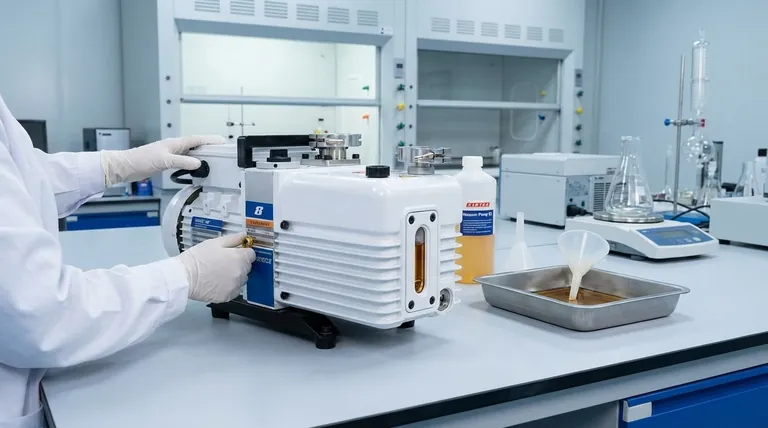
Why Oil is the Lifeblood of Your Pump
Understanding the multiple, critical roles of vacuum pump oil clarifies why its condition is paramount. The oil is far more than a simple lubricant; it is an active component of the vacuum system.
Creating the Ultimate Seal
The primary function of the oil is to create a non-porous seal between the vanes and the pump housing. This seal is what allows the pump to isolate chambers and move gas, ultimately enabling it to reach its deepest vacuum level, often below 0.5 mbar.
Lubrication and Cooling
The oil provides essential lubrication for all moving parts, including the rotor, bearings, and the vanes themselves. This minimizes friction, which in turn reduces wear and lowers the pump's operating temperature, preventing overheating and premature component failure.
Corrosion and Contaminant Protection
A layer of oil coats the internal metal surfaces, protecting them from corrosion caused by moisture or aggressive chemical vapors pulled into the pump. It also helps trap and flush out particulates and other impurities, keeping the compression chamber clean.
The Real Factor: Application and Contamination
While a 3,000-hour interval is a useful manufacturer benchmark, real-world conditions are rarely ideal. The type of substance you are pumping is the single most important factor in determining oil change frequency.
The 3,000-Hour Guideline
This recommendation applies best to applications where the pump is moving relatively clean, dry air or inert gases. In these scenarios, the oil degrades slowly from mechanical stress and heat alone.
When to Change Oil More Frequently
If your work involves pumping solvents (especially high-boiling point solvents) or aqueous samples, you must be far more vigilant. These vapors can condense and mix with the oil, severely compromising its ability to seal, lubricate, and protect.
In these cases, the oil may need to be changed weekly, daily, or even after a single aggressive run. The best indicators are a drop in vacuum performance or a visual change in the oil (e.g., discoloration, cloudiness).
The Role of the Gas Ballast
The gas ballast is a critical feature for extending oil life. By opening the gas ballast and running the pump with the inlet closed for about 30 minutes after use, you allow a small amount of air to flow through the pump. This helps purge condensed vapors from the oil, effectively "cleaning" it and restoring its performance for the next use.
Common Pitfalls to Avoid
Neglecting oil maintenance is the most common cause of premature pump failure. Understanding the consequences helps reinforce the importance of a proper schedule.
Extending Oil Changes Too Long
When oil becomes contaminated, its viscosity and sealing properties break down. The immediate result is a failure to reach the ultimate vacuum. Over time, the loss of lubricity leads to accelerated wear on the vanes and housing, and corrosive vapors will begin to attack the internal metal components, causing irreversible damage.
Ignoring Daily Maintenance Habits
Failing to use the gas ballast feature after pumping vapors is a significant mistake. This simple, 30-minute procedure can dramatically extend the useful life of your oil, saving you time and money on frequent changes and preventing cumulative damage from contamination.
Creating Your Optimal Maintenance Schedule
Instead of following a single rule, build a schedule based on your specific operational goals and application.
- If your primary focus is running clean, dry applications: You can likely adhere to the 3,000-hour manufacturer recommendation, but periodic visual checks of the oil are still wise.
- If you are pumping solvents or aqueous vapors: You must monitor oil condition frequently and change it as soon as performance degrades or the oil appears contaminated.
- If your primary focus is maximizing pump life and reliability: Make a habit of using the gas ballast to purge contaminants after every run involving condensable vapors.
Ultimately, proactive maintenance is an investment in the reliability and longevity of your equipment.
Summary Table:
| Key Factor | Impact on Oil Change Frequency |
|---|---|
| Clean, Dry Air / Inert Gases | Can follow the 3,000-hour baseline. |
| Solvents & Aqueous Vapors | Change much more frequently (weekly, daily, or per run). |
| Use of Gas Ballast | Extends oil life by purging contaminants. |
| Visual Oil Inspection | Cloudy or discolored oil indicates an immediate change is needed. |
Ensure your lab's vacuum pumps operate at peak performance and reliability.
KINTEK specializes in lab equipment and consumables, serving laboratory needs. Our experts can help you select the right vacuum pump oil and establish a preventative maintenance schedule tailored to your specific applications—whether you're working with clean gases or aggressive solvents.
Protect your investment and avoid costly downtime. Contact our team today for personalized support and high-quality consumables!
Visual Guide

Related Products
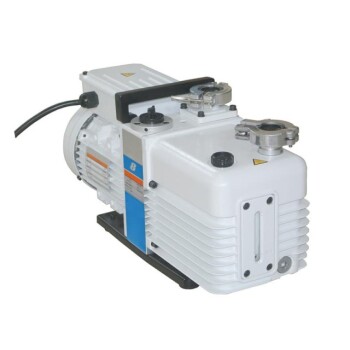
- Laboratory Rotary Vane Vacuum Pump for Lab Use
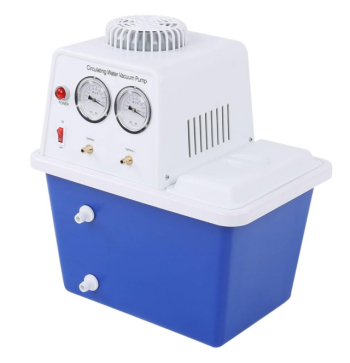
- Circulating Water Vacuum Pump for Laboratory and Industrial Use
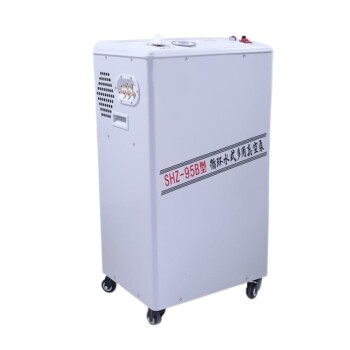
- Laboratory Vertical Water Circulating Vacuum Pump for Lab Use
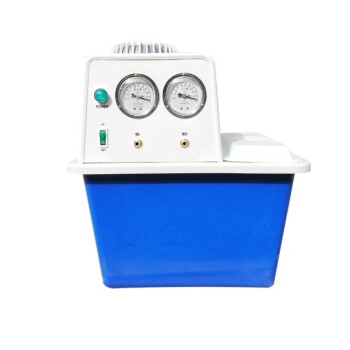
- Laboratory Benchtop Water Circulating Vacuum Pump for Lab Use
- Vacuum Sealed Continuous Working Rotary Tube Furnace Rotating Tube Furnace
People Also Ask
- What is the role of the vanes and oil in a Rotary Vane Pump? Ensuring Optimal Vacuum Performance
- What is the use of rotary vacuum pump? A Guide to Reliable Rough Vacuum for Labs & Industry
- What is the vacuum level of a rotary vacuum pump? Achieve Medium Vacuum for Your Lab or Industry
- What are the main disadvantages associated with Rotary Vane Pumps? Avoid Contamination & High Maintenance Costs
- How does a Rotary Vane Pump operate? Discover Efficient Vacuum Technology for Your Lab