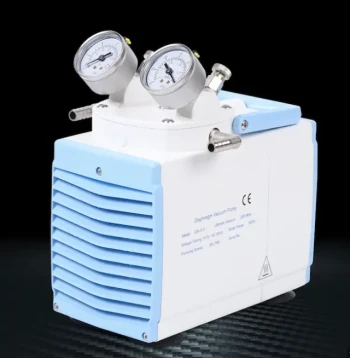
The vanes and oil are the critical dynamic components that enable a Rotary Vane Pump to generate and maintain a vacuum. The spring-loaded vanes physically sweep and compress gas by creating a mechanical seal against the chamber wall. The oil acts as a multi-purpose agent that reinforces this seal, lubricates moving parts to prevent wear, and actively cools the pump during operation.
Core Takeaway The mechanical action of the vanes creates the necessary compression, but the system relies entirely on the oil to complete the air-tight seal and manage the heat of operation. Without this synergy, the pump cannot achieve the high compression ratios required for effective vacuum generation.
The Mechanical Role of the Vanes
Creating Continuous Contact
The vanes are designed to be spring-loaded. This mechanism ensures that they are constantly pushed outward to press firmly against the interior wall of the pump housing.
Establishing the Vacuum Chamber
As the eccentrically mounted rotor turns, these vanes slide in and out to maintain contact with the housing. This action creates expanding and contracting pockets that draw gas in and physically compress it.
Expelling the Gas
The continuous sweep of the vanes forces the compressed gas molecules around the chamber. Eventually, the vanes push the gas through the exhaust port, expelling it into the atmosphere.
The Triple Function of the Oil
Reinforcing the Seal
While the vanes provide a mechanical barrier, they cannot create a perfect vacuum seal on their own. The oil films over the internal surfaces to maintain an air-tight seal, filling microscopic gaps between the rotor and housing.
Thermal Regulation
The process of compressing gas and the friction of moving parts generate significant heat. The oil circulates through the pump to absorb and dissipate this heat, cooling the pump to prevent overheating and component failure.
Essential Lubrication
The interaction between the rotor, vanes, and housing creates constant friction. The oil serves to lubricate these moving parts, protecting them from rapid wear and extending the lifespan of the pump.
The Importance of Low Vapor Pressure
The oil used is specifically formulated to have a low vapor pressure. This ensures that the oil itself does not evaporate or boil off when exposed to the vacuum, which would otherwise compromise the system pressure.
Understanding the Operational Trade-offs
Susceptibility to Contamination
Because the oil creates the seal, it is in direct contact with the gases being pumped. This makes the oil highly susceptible to chemical contamination or particulate buildup, which can degrade its ability to seal and lubricate.
Consumable Components
The friction involved in the sealing process means the vanes are consumable items. Despite the oil's lubrication, the vanes will eventually wear down and require periodic replacement to maintain the spring-loaded tension necessary for a tight seal.
Making the Right Choice for Your Maintenance
To ensure your Rotary Vane Pump operates efficiently, prioritize the following based on your operational goals:
- If your primary focus is Vacuum Depth: Ensure you are using specifically formulated, low-vapor-pressure oil to prevent fluid evaporation from limiting your ultimate pressure.
- If your primary focus is Equipment Longevity: Establish a strict schedule to check oil clarity and vane condition, as clean oil is the only defense against premature mechanical wear.
Routine monitoring of both the oil quality and vane integrity is the single most effective way to guarantee consistent pump performance.
Summary Table:
| Component | Primary Function | Key Performance Benefit |
|---|---|---|
| Spring-Loaded Vanes | Mechanical compression & gas sweeping | Ensures continuous contact for gas expulsion |
| Vacuum Oil | Sealing, lubrication & cooling | Prevents leaks, reduces wear, and manages heat |
| Rotor Housing | Enclosure for the compression cycle | Provides the surface for the air-tight seal |
| Exhaust Port | Gas discharge | Expels compressed gas molecules to atmosphere |
Maximize Your Laboratory Efficiency with KINTEK
Is your vacuum system maintaining its ultimate pressure? At KINTEK, we specialize in high-performance laboratory equipment, including rotary vane pumps and precision-engineered consumables. Whether you are conducting battery research, operating CVD/PECVD systems, or managing high-temperature vacuum furnaces, our technical experts provide the tools and support you need for seamless operation.
From durable vanes to specialized low-vapor-pressure oils, we offer a comprehensive range of solutions including muffle furnaces, hydraulic presses, and cooling solutions like ULT freezers.
Ensure your research never stops—contact KINTEK today for expert advice and premium laboratory supplies!
Related Products
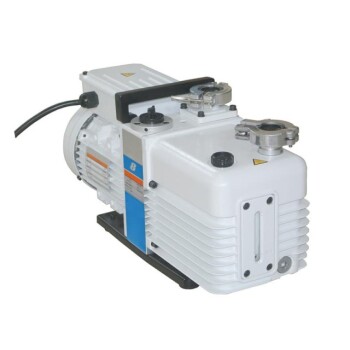
- Laboratory Rotary Vane Vacuum Pump for Lab Use
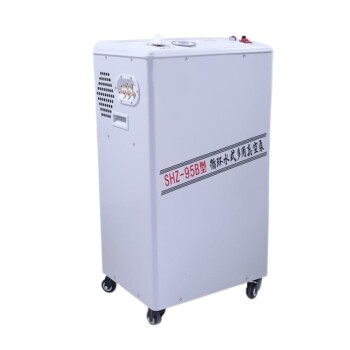
- Circulating Water Vacuum Pump for Laboratory and Industrial Use
- Laboratory Vertical Water Circulating Vacuum Pump for Lab Use
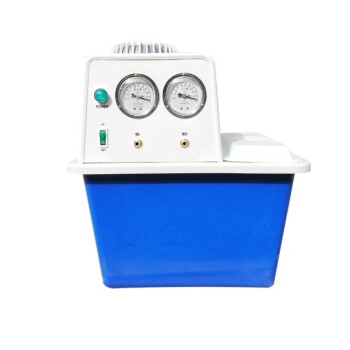
- Laboratory Benchtop Water Circulating Vacuum Pump for Lab Use
- Rotary Tube Furnace Split Multi Heating Zone Rotating Tube Furnace
People Also Ask
- What is the use of rotary vacuum pump? A Guide to Reliable Rough Vacuum for Labs & Industry
- What is the vacuum level of a rotary vacuum pump? Achieve Medium Vacuum for Your Lab or Industry
- What is the difference between a single-stage and a two-stage rotary vane pump? Choosing the Right Vacuum Depth
- How does the performance of single-stage and two-stage rotary vane pumps compare? Optimize Your Vacuum Efficiency
- How does a Rotary Vane Pump operate? Discover Efficient Vacuum Technology for Your Lab