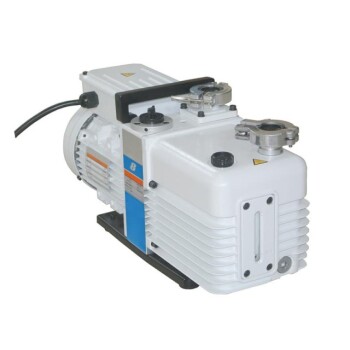
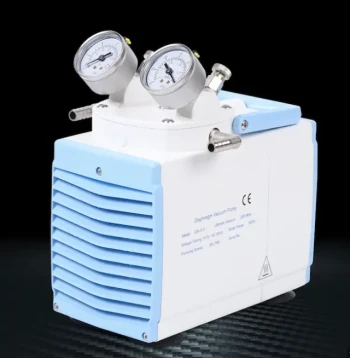
The rotary vane mechanical vacuum pump is the critical stabilization engine for sub-surface etching experiments. It serves the dual purpose of evacuating the chamber to a low base pressure (typically 60 mTorr) and maintaining a consistent process pressure of approximately 1 Torr during active gas flow, which is essential for Atomic Layer Deposition (ALD) and Atomic Layer Etching (ALE).
Core Insight: The pump does not just lower pressure; it drives the chemical transport mechanism. By strictly controlling the vacuum environment, it forces the rapid removal of volatile by-products and prevents uncontrolled "parasitic" reactions in the gas phase, ensuring the etching process remains precise and surface-selective.
Establishing the Reaction Environment
Reaching Base Vacuum
Before any chemistry can occur, the system must be evacuated to remove contaminants.
The rotary vane pump provides a stable base vacuum, often around 60 mTorr. This creates a clean slate, ensuring that the chamber is free of atmospheric gases that could interfere with the delicate surface reactions.
Maintaining Process Pressure
During the actual etching or deposition experiment, the pump works in tandem with inert carrier gases.
While the carrier gas flows into the chamber, the pump continuously removes gas to equilibrate the system at a process pressure of approximately 1 Torr. This balance is vital for stabilizing the thermodynamics of the reaction.
Managing Chemical Dynamics
Rapid Removal of By-Products
In sub-surface etching, the reaction creates waste materials that must be evacuated immediately.
The vacuum pump ensures the efficient transport of volatile reaction by-products, such as TiF4 and WO2F2. If these by-products were allowed to linger, they could re-deposit on the surface or stall the etching process.
Preventing Parasitic Reactions
Precision in ALE and ALD relies on reactions happening only at the surface, not in the open space of the chamber.
The pump facilitates the purging of the reaction chamber between pulse cycles. By clearing out excess precursors and by-products, it prevents parasitic gas-phase reactions—unwanted chemical interactions that occur in the air rather than on the substrate.
The Criticality of Vacuum Stability (Trade-offs)
The Risk of Pressure Drift
If the rotary vane pump cannot maintain the specific 1 Torr process pressure, the entire experiment is compromised.
A fluctuation in pressure alters the mean free path of the gas molecules. This can lead to incomplete purging or uneven etching rates across the sub-surface.
Consequence of Inadequate Flow
The pump's role is dynamic, not static.
If the pump fails to rapidly remove the volatile species (like TiF4), the chemical gradient required for the reaction collapses. This results in "dirty" etching, where by-products contaminate the very features you are trying to define.
Optimizing Your Etching Strategy
To ensure your sub-surface etching experiments yield valid data, consider your primary experimental goals:
- If your primary focus is Chemical Purity: Ensure your pump can reliably hit and hold the 60 mTorr base vacuum to eliminate atmospheric contamination before starting.
- If your primary focus is Feature Precision: Monitor the 1 Torr process pressure closely to guarantee efficient removal of volatile by-products like WO2F2 and prevent gas-phase interference.
A well-maintained vacuum system is not just support equipment; it is the control variable that dictates the quality of your surface chemistry.
Summary Table:
| Feature | Specification/Role | Impact on Etching |
|---|---|---|
| Base Vacuum | ~60 mTorr | Eliminates atmospheric contaminants for a clean reaction environment |
| Process Pressure | ~1 Torr | Stabilizes thermodynamics and ensures consistent gas mean free path |
| By-product Removal | Rapid Volatile Transport | Prevents re-deposition of waste materials like TiF4 and WO2F2 |
| Purge Efficiency | Pulse Cycle Clearing | Prevents parasitic gas-phase reactions and ensures surface selectivity |
Elevate Your Surface Chemistry with KINTEK Precision
Achieving the delicate balance of 60 mTorr base vacuum and stable process pressure requires high-performance equipment. KINTEK specializes in advanced laboratory solutions, including high-durability rotary vane vacuum pumps, high-temperature furnaces (CVD, PECVD, ALD-compatible), and specialized reaction systems.
Whether you are performing sub-surface etching, atomic layer deposition, or battery research, our comprehensive portfolio of vacuum systems, crushing/milling tools, and high-pressure reactors ensures your experimental data remains precise and reproducible.
Ready to optimize your lab's vacuum stability? Contact KINTEK today to find the perfect solution for your research!
References
- Hannah R. M. Margavio, Gregory N. Parsons. Controlled Air Gap Formation between W and TiO <sub>2</sub> Films via Sub‐Surface TiO <sub>2</sub> Atomic Layer Etching. DOI: 10.1002/admt.202501155
This article is also based on technical information from Kintek Solution Knowledge Base .
Related Products
- Laboratory Rotary Vane Vacuum Pump for Lab Use
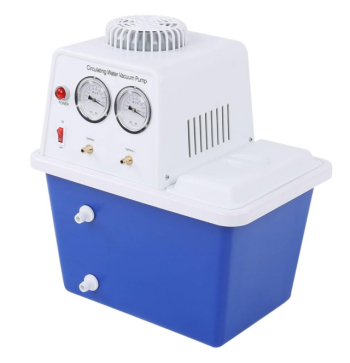
- Circulating Water Vacuum Pump for Laboratory and Industrial Use
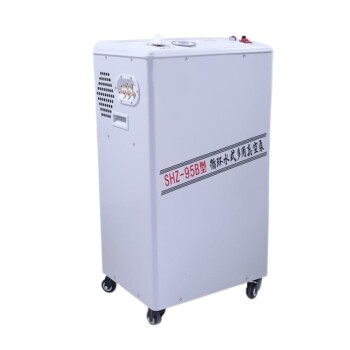
- Laboratory Vertical Water Circulating Vacuum Pump for Lab Use
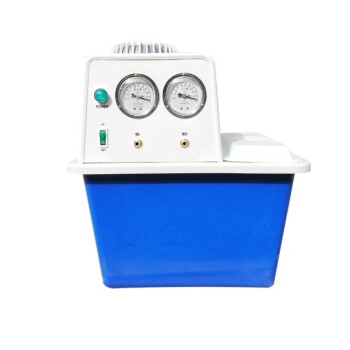
- Laboratory Benchtop Water Circulating Vacuum Pump for Lab Use
- Vacuum Sealed Continuous Working Rotary Tube Furnace Rotating Tube Furnace
People Also Ask
- What is the use of rotary vacuum pump? A Guide to Reliable Rough Vacuum for Labs & Industry
- What is the vacuum level of a rotary vacuum pump? Achieve Medium Vacuum for Your Lab or Industry
- What is the difference between a single-stage and a two-stage rotary vane pump? Choosing the Right Vacuum Depth
- How does the performance of single-stage and two-stage rotary vane pumps compare? Optimize Your Vacuum Efficiency
- How does a Rotary Vane Pump operate? Discover Efficient Vacuum Technology for Your Lab