Silicon Carbide (SiC) heating elements provide the critical thermal stability and chemical resistance required for the intensive process of nickel slag reduction. These elements enable furnaces to operate reliably at temperatures exceeding 1400 degrees Celsius, ensuring the molten pool remains at the precise state necessary for efficient metal recovery. By delivering high power radiation and rapid heating rates without the introduction of flue gases, SiC elements create a controlled, high-purity environment that optimizes the reduction process.
Core Takeaway: SiC heating elements are the definitive choice for nickel slag reduction because they combine ultra-high temperature capabilities with superior chemical resistance, allowing for a stable, precise, and energy-efficient molten pool environment.
Thermal Performance and Stability
Operating at Extreme Temperatures
Nickel slag reduction requires sustained temperatures that exceed the limits of many metallic heating elements. SiC elements operate stably at 1400°C and above in both air and inert atmospheres, which is essential for maintaining the fluidity of the slag.
High Power Radiation and Rapid Heating
These elements possess a high thermal radiation ability, allowing for a faster transfer of heat to the slag. This leads to rapid heating rates, which increase the throughput of the furnace and reduce the overall time the material must spend in the reduction phase.
Superior Thermal Conductivity and Strength
The inherent high thermal conductivity and high-temperature strength of Silicon Carbide allow the elements to withstand significant thermal stress. This ensures that the heating system remains structurally sound even when pushed to its maximum power capacity.
Process Precision and Chemical Integrity
Maintaining a Uniform Thermal Environment
For effective reduction, the temperature throughout the molten pool must be consistent to prevent localized solidification. SiC elements provide a stable and uniform thermal environment, which is vital for the predictable chemical reactions required to extract nickel from slag.
Resistance to Chemical Degradation
The environment within a nickel slag furnace is chemically aggressive, yet SiC elements exhibit excellent oxidation and chemical resistance. This durability ensures that the elements do not react with the furnace atmosphere or contaminate the material being treated.
High Temperature Control Precision
Precision in temperature management allows operators to hit specific metallurgical targets with high accuracy. SiC elements facilitate high-temperature control precision, reducing the risk of overheating or failing to reach the necessary reduction threshold.
Operational and Environmental Efficiency
Elimination of Flue Gases
Unlike combustion-based heating methods, electric SiC elements do not produce flue gases. This creates a cleaner working environment and simplifies the furnace design by removing the need for complex exhaust and filtration systems.
Energy Savings and Low Resistance
Modern SiC elements are designed with small hot-end resistance, which focuses the energy delivery directly into the furnace chamber. This efficiency results in significant energy savings and lower operational costs over the life of the furnace.
Extended Refractory Lifespan
Because SiC heating is highly controllable and uniform, it reduces the thermal shock applied to the furnace lining. This leads to a longer lifespan for refractories, reducing the frequency of costly maintenance shutdowns and relining procedures.
Understanding the Trade-offs
The Challenge of Resistance Aging
One primary characteristic of SiC elements is that their electrical resistance increases over time as they are used. To maintain consistent power output, the furnace must be equipped with a variable voltage transformer or similar control system to compensate for this aging process.
Mechanical Fragility
While SiC is exceptionally strong at high temperatures, it is a ceramic material and inherently brittle. It cannot withstand significant mechanical impact or bending stresses, requiring careful handling during installation and protection from physical vibration.
Initial Capital Investment
The high-performance nature of SiC elements often results in a higher initial cost compared to standard metallic elements. However, this is typically offset by their longer service life in high-temperature environments and the resulting reduction in downtime.
Applying SiC Technology to Your Project
When integrating Silicon Carbide heating elements into a nickel slag reduction furnace, your implementation strategy should align with your specific operational priorities.
- If your primary focus is Maximum Throughput: Utilize high-power density SiC elements to achieve rapid ramp-up times and maintain the highest possible slag temperatures.
- If your primary focus is Process Consistency: Implement advanced SCR (Silicon Controlled Rectifier) power controllers to precisely manage the voltage as the SiC elements age, ensuring a stable thermal environment.
- If your primary focus is Reducing Maintenance: Select elements with specialized protective coatings to further enhance their resistance to the specific chemical vapors present in your slag chemistry.
Selecting SiC heating elements is a strategic investment that transforms the furnace from a simple heat source into a high-precision metallurgical tool.
Summary Table:
| Feature | Benefit for Nickel Slag Reduction | Technical Impact |
|---|---|---|
| High Temp Stability | Operates reliably at 1400°C+ | Ensures consistent molten pool fluidity |
| Chemical Resistance | Withstands aggressive slag environments | Extends element life and prevents contamination |
| Rapid Heating | Faster heat transfer via high radiation | Increases furnace throughput and efficiency |
| Precise Control | Accurate metallurgical target hits | Reduces overheating and improves recovery rates |
| No Flue Gases | Cleaner, electric-based operation | Simplifies furnace design and exhaust systems |
Elevate Your Metallurgical Processes with KINTEK
Precision and reliability are non-negotiable in high-temperature applications. KINTEK specializes in high-performance laboratory equipment and consumables, providing the industry-leading tools you need for successful nickel slag reduction and beyond.
Whether you require high-temperature furnaces (muffle, tube, vacuum, or atmosphere), specialized high-pressure reactors, or durable ceramic crucibles, our solutions are engineered for extreme environments. We support your research and production with a comprehensive range of cooling solutions, hydraulic presses, and battery research tools.
Ready to optimize your lab's thermal efficiency?
Contact KINTEK Today to discuss our customized heating solutions and explore how our advanced equipment can transform your metallurgical outcomes.
References
- Desmond Attah-Kyei, Daniel Lindberg. A Crucial Step Toward Carbon Neutrality in Pyrometallurgical Reduction of Nickel Slag. DOI: 10.1007/s40831-023-00763-5
This article is also based on technical information from Kintek Solution Knowledge Base .
Related Products
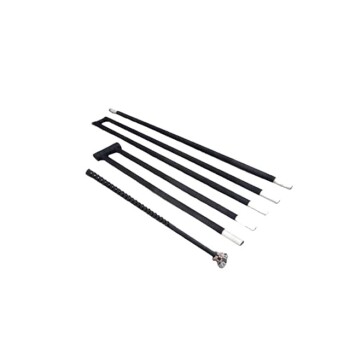
- Silicon Carbide SiC Thermal Heating Elements for Electric Furnace
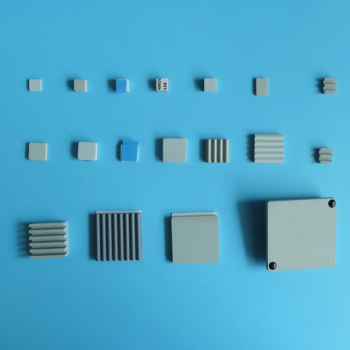
- Silicon Carbide (SIC) Ceramic Sheet Flat Corrugated Heat Sink for Engineering Advanced Fine Ceramics
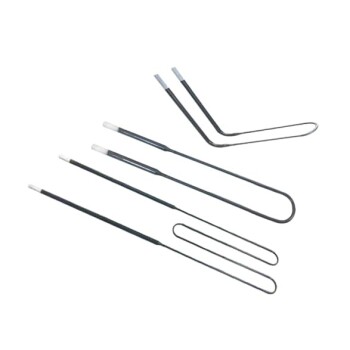
- Molybdenum Disilicide (MoSi2) Thermal Elements Electric Furnace Heating Element
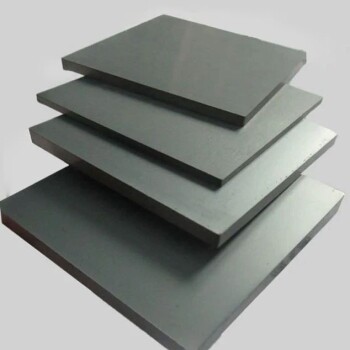
- Silicon Carbide (SIC) Ceramic Plate for Engineering Advanced Fine Ceramics
People Also Ask
- What is the function of the heating element in a furnace? The Engine of Your Thermal Process
- What is the best heating element for a furnace? A Guide to Selecting the Right Material for Your Temperature Needs
- What is SiC elements? The Ultimate High-Temperature Heating Solution
- How long does a heating element last on the furnace? Understand Lifespan & Safety for Your System
- What are silicon carbide heating elements used for? Reliable High-Temp Heating for Industrial Processes