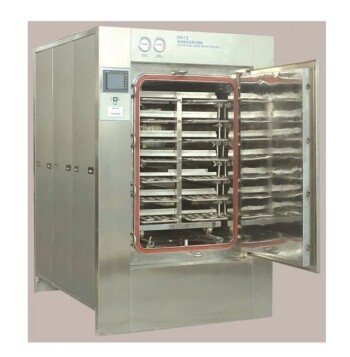
The high-pressure stainless steel autoclave provides critical structural integrity and atmospheric isolation required for the dehydrogenation of terpinene. It specifically protects the reaction by withstanding temperatures of up to 220°C and maintaining an initial 0.1 MPa argon pressure. This containment prevents the loss of volatile reactants and ensures the reaction proceeds in a strictly controlled, inert environment to maximize p-cymene production.
The autoclave acts as a high-integrity barrier that secures the chemical transformation by preventing volatile leakage and stabilizing internal pressure. Its primary function is to provide a controlled environment that ensures high conversion rates and selectivity for p-cymene.
Structural Resilience in High-Energy Environments
Managing Thermal and Pressure Stress
The dehydrogenation of terpinene requires a consistent temperature of 220°C. The stainless steel construction ensures the vessel remains stable without deforming or failing under these significant thermal loads.
Sustaining Internal Argon Pressure
The vessel is engineered to hold an initial pressure of 0.1 MPa safely. This pressure control is vital for guiding the reaction kinetics and maintaining the physical state of the reactants throughout the process.
Precision Atmospheric Isolation
Preventing Volatile Material Loss
Terpinene and p-cymene are volatile organic compounds that would readily evaporate in an open or poorly sealed system. The excellent sealing performance of the autoclave prevents raw material loss, which is essential for achieving a high chemical yield.
Maintenance of an Inert Environment
The autoclave keeps the argon atmosphere securely contained throughout the reaction cycle. This isolation prevents oxidation and unwanted side reactions that would occur if the process were exposed to ambient oxygen or moisture.
Understanding the Trade-offs
Material Limitations and Corrosion
While stainless steel is highly durable, it can be susceptible to specific types of chemical degradation over time. Engineers must monitor for pitting or stress corrosion cracking, particularly if impurities or specific catalysts are introduced into the reaction.
Thermal Mass and Heating Lag
High-pressure vessels have significant thermal inertia due to their thick steel walls. This can result in slower heating and cooling cycles, requiring precise temperature control systems to avoid overshooting the target 220°C.
Optimizing Your Dehydrogenation Process
To achieve the best results in p-cymene production, consider these strategic priorities:
- If your primary focus is Maximum Yield: Prioritize the inspection of the autoclave's mechanical seals to prevent any volatile loss of terpinene during the heating phase.
- If your primary focus is Product Purity: Ensure the argon purging process is thorough before sealing the vessel to maintain a strictly inert atmosphere.
Investing in high-grade autoclave containment is the most effective way to ensure both safety and chemical precision in the production of p-cymene.
Summary Table:
| Protection Feature | Function in Reaction | Technical Specification |
|---|---|---|
| Structural Integrity | Withstands thermal load and prevents vessel deformation | Up to 220°C |
| Pressure Containment | Sustains inert environment and guides reaction kinetics | 0.1 MPa (Argon) |
| Hermetic Sealing | Prevents loss of volatile Terpinene and p-Cymene | High-performance seals |
| Atmospheric Isolation | Blocks oxygen/moisture to prevent side reactions | Argon-purged inert space |
| Corrosion Resistance | Maintains purity by resisting chemical degradation | 316L/High-grade Stainless Steel |
Elevate Your Chemical Synthesis with KINTEK Precision
Ensure maximum yield and safety in your most demanding dehydrogenation processes. KINTEK specializes in high-performance laboratory equipment, offering a robust selection of high-temperature high-pressure reactors and autoclaves designed to withstand extreme thermal and pressure stresses.
Whether you are producing p-cymene or conducting advanced material research, our comprehensive portfolio—including PTFE and ceramic consumables, vacuum systems, and temperature control solutions—is engineered for reliability and precision.
Ready to optimize your lab’s efficiency? Contact our experts today to find the perfect autoclave configuration for your specific application requirements!
References
- Yanni Liu, Yun Zheng. Construction of Palladium Nanoparticles Modified Covalent Triazine Frameworks towards Highly-Efficient Dehydrogenation of Dipentene for p-Cymene Production. DOI: 10.3390/catal13091248
This article is also based on technical information from Kintek Solution Knowledge Base .
Related Products
- Stainless High Pressure Autoclave Reactor Laboratory Pressure Reactor
- Mini SS High Pressure Autoclave Reactor for Laboratory Use
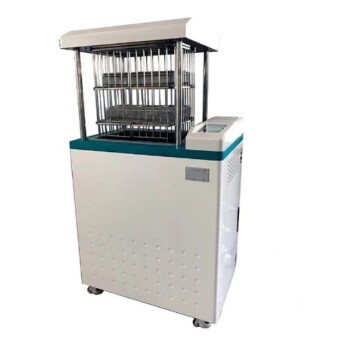
- Desktop Fast High Pressure Laboratory Autoclave Sterilizer 16L 24L for Lab Use
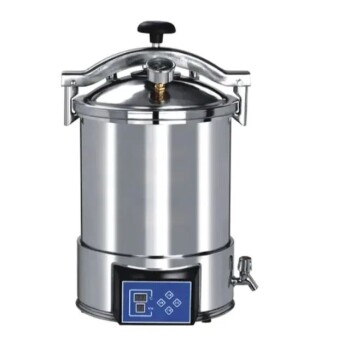
- Portable High Pressure Laboratory Autoclave Steam Sterilizer for Lab Use
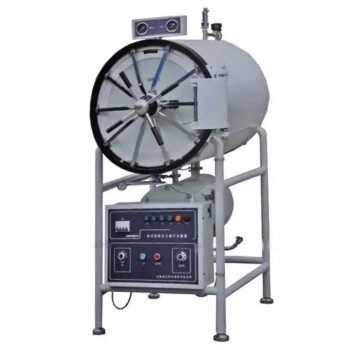
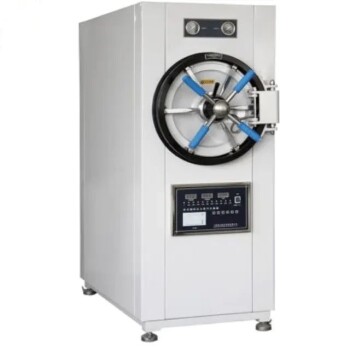
- Laboratory High Pressure Horizontal Autoclave Steam Sterilizer for Lab Use
People Also Ask
- Why is a laboratory high-pressure reactor necessary for synthesizing fly ash-based zeolite? Achieve Pure Crystallization
- Why is a laboratory high-pressure reactor used in the hydrothermal synthesis of hydroxyapatite catalysts?
- What role does a laboratory high-pressure reactor play in the leaching process of spent cathode materials? Optimize Recovery
- What conditions do laboratory high-pressure reactors provide for HTC? Optimize Your Biochar Production Processes
- How are high-pressure reactors used to prepare metaphosphate electrocatalysts? Master In-Situ Precursor Growth