The alumina-supported substrate acts as both the structural foundation and a functional regulator for modified MFI-type zeolite membranes. It provides the essential mechanical strength required to support ultra-thin zeolite layers while its surface characteristics directly dictate the quality of crystal growth. Crucially, during the online catalytic cracking deposition (CCD) process, this support enables a "gate" effect that optimizes pore size to precisely control gas separation.
Core Takeaway: While the alumina substrate primarily offers mechanical stability, its critical value lies in facilitating the "gate" effect during the CCD process. By supporting the ZSM-5 layer, it enables the precise regulation of pore sizes needed to block nitrogen diffusion, significantly boosting selectivity without sacrificing permeability.
The Functional Role of the Substrate
Providing Essential Mechanical Strength
Zeolite membranes, particularly ultra-thin varieties, lack the inherent durability to withstand industrial operating pressures on their own. The alumina substrate functions as a robust porous backbone. This allows the composite membrane to maintain structural integrity during the rigorous conditions of the synthesis and separation processes.
Enabling the "Gate" Effect
The most sophisticated role of the substrate appears during the catalytic cracking deposition (CCD) phase. By supporting the ZSM-5 surface, the substrate facilitates the creation of a "gate" effect. This mechanism is the key driver behind the membrane's advanced performance.
Optimizing Gas Selectivity
Through the "gate" effect, the alumina-supported ZSM-5 membrane precisely regulates its pore size. This regulation effectively limits the diffusion of specific components, such as nitrogen. Consequently, the membrane achieves superior gas separation selectivity while retaining high permeability.
Influence on Membrane Formation
Dictating Crystal Growth
The surface characteristics of the alumina support directly influence the growth quality of the ZSM-5 zeolite layer. The substrate is not merely a passive holder; it serves as the template upon which the active separation layer is built.
Controlling Adhesion and Continuity
Physical properties of the support, such as surface roughness and geometry, determine how well zeolite crystals adhere to the base. These factors control the continuity of the membrane layer. A high-quality substrate ensures the formation of a uniform, defect-free composite structure.
Critical Dependencies and Trade-offs
Sensitivity to Surface Characteristics
The success of the CCD process is heavily dependent on the specific physical characteristics of the alumina support. Variations in pore size distribution or surface roughness can disrupt the continuity of the zeolite layer. If the substrate surface is not optimized, the ZSM-5 layer may fail to achieve the necessary effective thickness for efficient separation.
Balancing Support and Flow
While the substrate must be strong, it must also remain highly porous to avoid becoming a bottleneck. The goal is to provide a foundation for the "gate" effect without adding unnecessary resistance to gas flow.
Making the Right Choice for Your Goal
To maximize the effectiveness of the CCD process, you must align the substrate properties with your specific performance targets:
- If your primary focus is Mechanical Stability: Ensure the alumina support acts as a robust porous ceramic capable of protecting the ultra-thin zeolite layer from physical stress.
- If your primary focus is High Selectivity: Optimize the substrate-ZSM-5 interface to maximize the "gate" effect, specifically targeting the restriction of nitrogen diffusion.
- If your primary focus is Membrane Quality: Strictly control the substrate's surface roughness and geometry to guarantee superior crystal adhesion and layer continuity.
By treating the alumina substrate as an active participant in the separation process rather than just a passive holder, you unlock the full potential of modified MFI-type membranes.
Summary Table:
| Function | Description | Benefit to CCD Process |
|---|---|---|
| Structural Foundation | Provides mechanical strength to ultra-thin ZSM-5 layers. | Ensures durability under high-pressure industrial conditions. |
| Functional Regulator | Facilitates the "gate" effect during cracking deposition. | Precisely controls pore size to block nitrogen diffusion. |
| Growth Template | Surface geometry dictates crystal orientation and adhesion. | Ensures a uniform, defect-free, and continuous membrane layer. |
| Flow Optimization | Maintains high porosity while supporting the active layer. | Enhances gas separation selectivity without losing permeability. |
Elevate your membrane research and material synthesis with KINTEK’s precision laboratory solutions. From advanced high-temperature furnaces and CVD systems for CCD processes to robust alumina ceramics and high-pressure reactors, we provide the tools required for defect-free zeolite membrane fabrication. Optimize your laboratory results—contact KINTEK today!
References
- Lan Ying Jiang, Yan Wang. Special Issue on “Novel Membrane Technologies for Traditional Industrial Processes”. DOI: 10.3390/pr7030144
This article is also based on technical information from Kintek Solution Knowledge Base .
Related Products
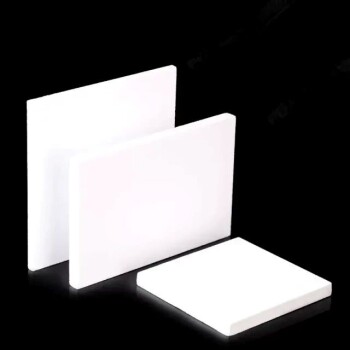
- High Temperature Wear-Resistant Alumina Al2O3 Plate for Engineering Advanced Fine Ceramics
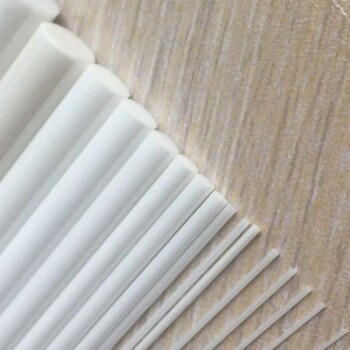
- Engineering Advanced Fine Alumina Al2O3 Ceramic Rod Insulated for Industrial Applications
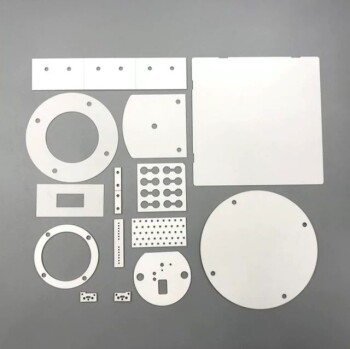
- Custom-Made Alumina Zirconia Special-Shaped Ceramic Plates for Engineering Advanced Fine Ceramics Processing
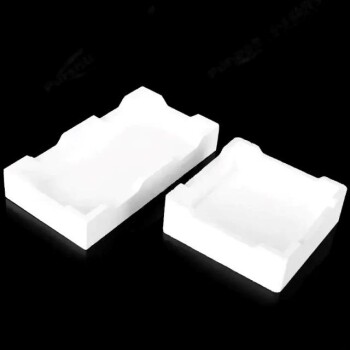
- Advanced Engineering Fine Ceramics Alumina Ceramic Saggar for Fine Corundum
- Engineering Advanced Fine Ceramics Alumina Crucibles (Al2O3) for Thermal Analysis TGA DTA
People Also Ask
- What are the process advantages of selecting an alumina plate for CuO nanofilm synthesis? Achieve Superior Purity
- What function do alumina ceramic plates serve as supports in the preparation of molecular sieve membranes?
- How is alumina ceramic made? A Guide to Manufacturing Methods and Material Properties
- Why use high-purity alumina plates for sintering porous stainless steel? Ensure Purity & Precision
- What is the function of alumina setter plates for LATP? Protect Material Purity & Prevent Adhesion