To ensure the integrity and success of your electrochemical experiment, you must strictly control four specific variables: voltage, current, temperature, and electrolyte flow rate. Failing to regulate these inputs can compromise the effectiveness of the electrolysis or cause irreversible damage to the cell components.
Core Takeaway Success in electrochemical experimentation relies on the precise balance of energy input and environmental conditions. Strictly regulating electrical and physical parameters not only ensures accurate data but also prevents hardware failure and safety hazards.
Critical Operational Parameters
Electrical Control: Voltage and Current
The driving force of your experiment lies in the power supply. You must maintain precise control over the voltage and current applied to the system.
These parameters dictate the rate of reaction and the specific electrochemical processes occurring at the electrode interface. Fluctuations here can lead to unwanted side reactions or inconsistent data collection.
Thermal Regulation: Temperature
Temperature is a critical variable that influences reaction kinetics and electrolyte conductivity.
While PTFE is heat resistant, the electrolyte solution and the reaction products may not be. Strict thermal control prevents the evaporation of the solvent and ensures the reaction proceeds at the intended rate.
Mass Transport: Electrolyte Flow Rate
If your setup involves circulation, the electrolyte flow rate must be kept constant.
This parameter governs the supply of reactants to the electrode surface and the removal of products. Inconsistent flow can create concentration gradients that skew your experimental results.
Monitoring and Maintenance
Visual Indicators
Data logs are essential, but you must also visually monitor the working state of the cell throughout the experiment.
Watch closely for phenomena such as bubble generation on electrode surfaces or unexpected color changes in the electrolyte. These visual cues often signal deviations in the reaction conditions before sensors detect them.
Electrolyte Composition and Volume
Preparation parameters are just as vital as operational ones. You must ensure the electrolyte is prepared with high-purity reagents to avoid contamination from impurities.
Additionally, strict adherence to volume limits is necessary. Ensure the liquid level does not exceed the maximum capacity to prevent spills or leaks during operation.
Common Pitfalls to Avoid
Ignoring Anomalies
A common mistake is relying solely on automated data recording while ignoring physical signs of distress in the cell.
If you observe abnormal gas generation or temperature spikes, you must address them immediately. Delaying intervention can lead to thermal runaway or hazardous pressure buildups.
Improper Shutdown Sequences
Ending the experiment requires a strict order of operations to prevent accidents.
Always turn off the power supply first, then remove the cell from any heating or cooling baths. Removing an active cell from a temperature bath while powered on creates a significant safety risk.
Making the Right Choice for Your Goal
To maximize the utility of your all-PTFE cell, prioritize your controls based on your specific experimental objective:
- If your primary focus is Reaction Selectivity: Prioritize the strict regulation of voltage and current to isolate the specific electrochemical pathway you wish to study.
- If your primary focus is Reproducibility: Concentrate on maintaining a constant temperature and electrolyte composition, as these variables most heavily influence consistency across trials.
- If your primary focus is Safety: rigorously monitor electrolyte volume and visual indicators (like bubbles) to prevent over-pressurization or chemical exposure.
Mastering these controls transforms your electrochemical cell from a simple vessel into a precision instrument.
Summary Table:
| Parameter | Control Requirement | Impact on Experiment |
|---|---|---|
| Voltage & Current | High Precision / Constant | Dictates reaction rate and prevents side reactions. |
| Temperature | Strict Regulation | Influences kinetics, conductivity, and solvent stability. |
| Electrolyte Flow | Constant Rate | Ensures uniform mass transport and reactant supply. |
| Liquid Level | Within Max Capacity | Prevents hazardous leaks, spills, and over-pressurization. |
Elevate Your Electrochemical Research with KINTEK Precision
Maximize the accuracy and reproducibility of your experiments with high-performance laboratory solutions from KINTEK. As specialists in laboratory equipment and consumables, we provide a comprehensive range of all-PTFE electrolytic cells, high-quality electrodes, and advanced thermal regulation tools designed to withstand the most demanding chemical environments.
Whether you are focusing on reaction selectivity or long-term safety, our expert-grade hardware—from high-temperature reactors and autoclaves to precision cooling solutions and ULT freezers—ensures your parameters remain under strict control.
Ready to upgrade your lab setup? Contact us today to discover how KINTEK’s specialized equipment can optimize your electrochemical workflows and deliver consistent, reliable data.
Related Products
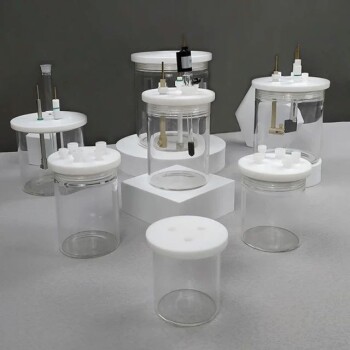
- PTFE Electrolytic Cell Electrochemical Cell Corrosion-Resistant Sealed and Non-Sealed
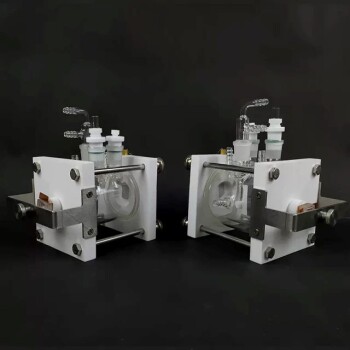
- Double Layer Five-Port Water Bath Electrolytic Electrochemical Cell
- Electrolytic Electrochemical Cell with Five-Port
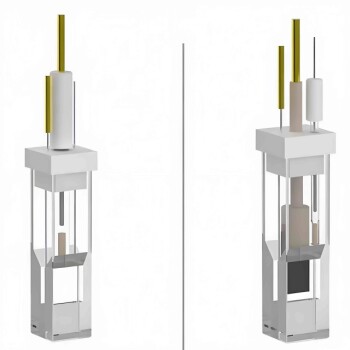
- Thin-Layer Spectral Electrolysis Electrochemical Cell
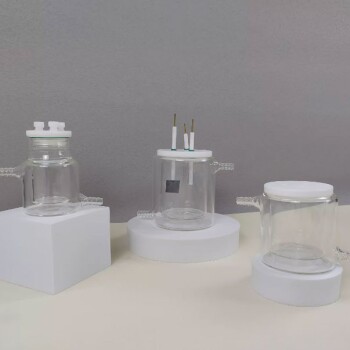
- Optical Water Bath Electrolytic Electrochemical Cell
People Also Ask
- What is the necessity of selecting a PTFE electrolytic cell? Ensure Precise Graphene Corrosion Testing Accuracy
- What is the proper method for cleaning the surface of an all-PTFE electrolytic cell? Ensure Accurate Results with a Pristine Surface
- How should an all-PTFE electrolytic cell be stored after use? Expert Maintenance Tips for Long-Lasting Performance
- What is the proper cleaning method for an all-PTFE electrolytic cell? Essential Tips for Surface Integrity
- What are the standard opening specifications for all-PTFE electrolytic cells? A Guide to Sealed vs. Non-Sealed Ports