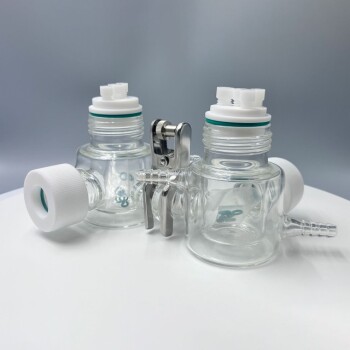
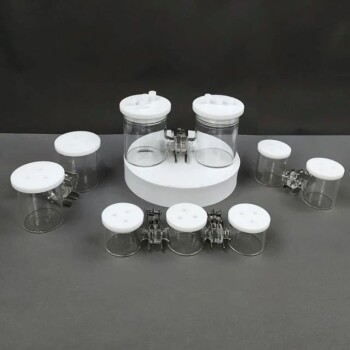
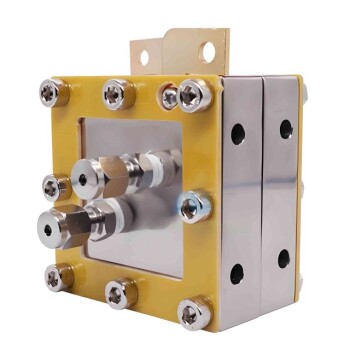
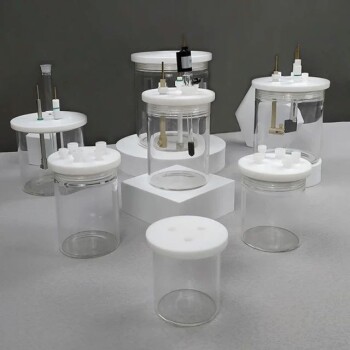
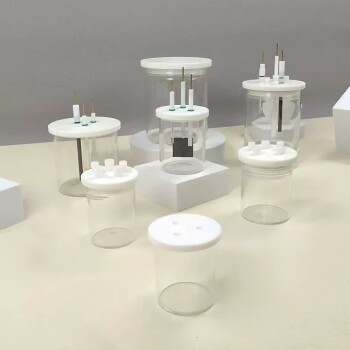
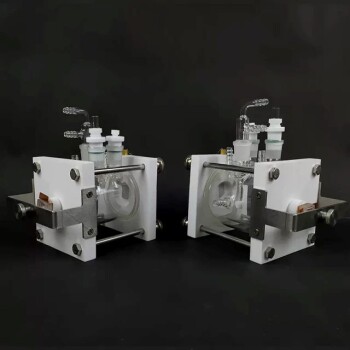
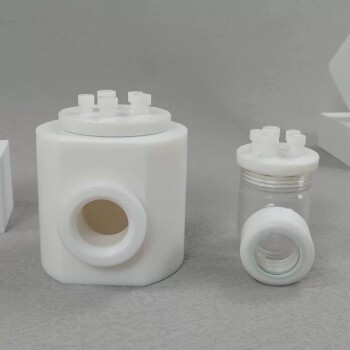
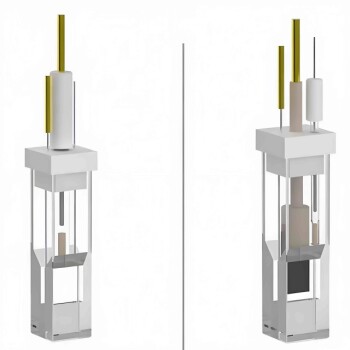
Before initializing an H-type electrolytic cell, you must perform a comprehensive inspection of all structural and consumable components, specifically verifying that the cell body, lids, electrodes, and quartz optical window are present and physically intact. You must also critically assess the ion-exchange membrane and sealing rings, as these are the most prone to failure; replace them immediately if any signs of damage, aging, or wear are detected.
Core Takeaway: The reliability of your electrochemical data hinges on the physical integrity of the isolation and sealing components. A rigorous pre-check prevents the most common failure modes: electrolyte leakage, cross-contamination, and inconsistent conductivity.
Verifying Structural Components
The Cell Body and Chambers
Begin by confirming that the anode and cathode chambers are present and free of defects. Inspect the material of the cell body closely for any cracks or stress fractures that could expand under thermal or mechanical stress.
Lids and Optical Windows
Ensure that all lids are accounted for and fit securely onto the chambers. If your specific configuration includes a quartz optical window, inspect it for scratches, cracks, or clouding that could distort optical measurements.
Assessing Critical Consumables
Ion-Exchange Membrane Integrity
The ion-exchange membrane is critical for separating the cell chambers while allowing ion flow. Inspect it thoroughly for physical tears, pinholes, or signs of aging.
Any compromise in the membrane will lead to immediate experimental failure. If there is any doubt regarding its condition, it should be replaced immediately.
Sealing Ring Condition
Check all sealing rings for elasticity and integrity. These components prevent leaks and maintain the internal atmosphere of the cell.
If a ring appears brittle, deformed, or chemically degraded, it must be replaced. A faulty seal is the primary cause of electrolyte leakage.
Evaluating Electrode Readiness
Surface Cleanliness
Inspect the electrode surfaces to ensuring they are free of corrosion, oxidation, or residue from previous experiments. Contaminated surfaces will alter conductivity and skew results.
Physical Condition
Verify that the electrodes are not bent or physically damaged. If the surface is compromised, cleaning or polishing may be required to restore performance and ensure accurate calibration.
Common Pitfalls to Avoid
Ignoring "Minor" Wear
A common error is reusing consumables that appear "mostly" intact. Using an aged membrane or a slightly dry sealing ring introduces a variable that can invalidate hours of data collection.
Mishandling During Inspection
Electrodes are often damaged during the inspection process. Handle these components with extreme care during removal and installation to avoid bending or scratching the active surface.
Making the Right Choice for Your Goal
To ensure your setup is optimized for your specific experimental needs, prioritize your checks as follows:
- If your primary focus is optical spectroscopy: Prioritize the inspection of the quartz optical window for absolute clarity and cleanliness.
- If your primary focus is high-precision electrochemistry: Focus heavily on electrode surface preparation, ensuring they are freshly polished and free of oxidation.
- If your primary focus is long-duration electrolysis: Double-check the sealing rings and membrane, as these are the failure points most likely to compromise the cell over extended periods.
Detailed preparation is the only way to ensure safety and data reliability in electrolytic experiments.
Summary Table:
| Component | Inspection Focus | Action if Faulty |
|---|---|---|
| Cell Body/Chambers | Cracks, stress fractures, and physical defects | Replace cell chamber |
| Ion-Exchange Membrane | Tears, pinholes, or signs of aging/wear | Immediate replacement |
| Sealing Rings | Elasticity, brittleness, and chemical degradation | Replace with new O-ring |
| Electrode Surface | Corrosion, oxidation, or residue buildup | Clean, polish, or replace |
| Optical Windows | Scratches, clouding, or cracks (for spectroscopy) | Clean or replace quartz window |
Maximize Your Research Precision with KINTEK
Don't let faulty components compromise your electrochemical data. KINTEK specializes in high-performance laboratory equipment, providing everything from H-type electrolytic cells and specialized electrodes to advanced high-temperature furnaces and vacuum systems. Our comprehensive portfolio supports battery research, electrolysis, and material science with premium consumables like PTFE products and high-purity ceramics.
Ready to upgrade your lab setup? Our experts are here to provide the precise tools and technical support you need to ensure consistent, reliable results in every experiment.
Contact KINTEK Today to Find Your Solution
Related Products
- H-Type Double-Layer Optical Electrolytic Electrochemical Cell with Water Bath
- H Type Electrolytic Cell Triple Electrochemical Cell
- Customizable PEM Electrolysis Cells for Diverse Research Applications
- Super Sealed Electrolytic Electrochemical Cell
- Electrolytic Electrochemical Cell with Five-Port
People Also Ask
- What is the overall structure of the H-type double-layer optical water bath electrolytic cell? Precision Design for Controlled Experiments
- How is the electrolyte managed in H-type electrolytic cells for specific reactions? Achieve Precise Control and High Purity
- What is important regarding temperature control for the H-type electrolytic cell? Ensure Precision and Data Integrity
- What is the overall structure of the H-type electrolytic cell? Understanding Dual-Chamber Electrochemical Designs
- What checks should be performed before using an H-type electrolytic cell? Ensure Experiment Safety and Data Accuracy