A PTFE-lined hydrothermal autoclave is strictly required for this synthesis to create a barrier between the corrosive reaction environment and the structural vessel. This specific apparatus allows you to generate the high temperatures and pressures necessary to reduce platinum precursors while simultaneously shielding the stainless steel reactor from strong alkaline agents, ensuring the final electrocatalyst is both chemically pure and structurally sound.
Core Takeaway The preparation of Pt/Nb-TiO2 requires a harsh, alkaline environment under high pressure to achieve proper platinum distribution. The PTFE liner is critical because it provides the necessary chemical inertness to prevent reactor corrosion and contamination, while the autoclave assembly maintains the pressure required to anchor the nanoparticles securely.
The Role of the Reaction Environment
Withstanding Alkaline Corrosives
The synthesis of Pt/Nb-TiO2 electrocatalysts often involves strong alkaline environments. Standard reactor materials, such as stainless steel, are susceptible to corrosion when exposed to these chemicals at elevated temperatures.
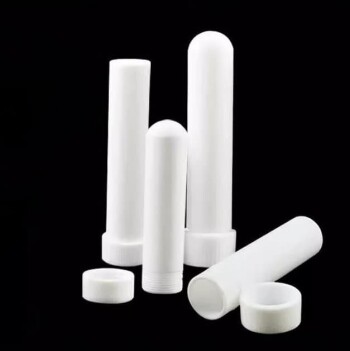
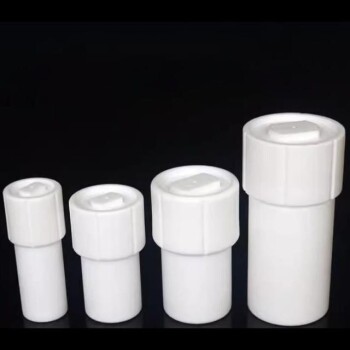
A PTFE (polytetrafluoroethylene) liner is chemically inert. It acts as a shield, resisting attack from strong alkaline activators like sodium hydroxide (NaOH), which prevents damage to the autoclave's outer shell.
Facilitating High-Pressure Chemistry
To successfully prepare these electrocatalysts, the reaction mixture must undergo hydrothermal treatment. This process requires a sealed environment capable of sustaining high pressures and temperatures.
The autoclave assembly allows the system to reach these extreme conditions safely. This high-pressure environment is the driving force that facilitates the chemical reduction of platinum precursors into their metallic form.
Impact on Catalyst Quality
Ensuring Uniform Distribution
The physical quality of the electrocatalyst is directly tied to the stability of the hydrothermal environment. The high-temperature and high-pressure conditions provided by the autoclave ensure that platinum nanoparticles are uniformly distributed.
Without this controlled environment, the platinum might agglomerate or fail to disperse evenly across the pores and surfaces of the Nb-doped titanium dioxide.
Anchoring the Nanoparticles
Beyond simple distribution, the nanoparticles must be physically stable on the support material. The hydrothermal process facilitates the strong interaction required to securely anchor the platinum to the Nb-TiO2 structure.
This anchoring is vital for the long-term performance of the electrocatalyst, preventing the active platinum sites from detaching during operation.
Maintaining Reaction Purity
The PTFE liner plays a secondary, yet vital, role in quality control by ensuring reaction purity.
Because the liner protects the stainless steel outer shell from corrosion, it prevents metal ions from the vessel itself from leaching into the solution. This ensures that the final product is not contaminated by the reactor materials.
Understanding Operational Dependencies
The Liner-Shell Relationship
It is important to recognize that the PTFE liner and the stainless steel shell serve distinct, non-interchangeable functions. The liner offers chemical resistance but lacks the mechanical strength to hold high pressure on its own.
Conversely, the stainless steel shell provides the structural integrity to withstand pressure but lacks the chemical stability to survive the reaction mixture.
Thermal Stability Limits
While PTFE offers exceptional thermal stability for these reactions, it functions within a specific thermal window. The liner allows for hydrothermal carbonization and reduction processes but relies on the outer shell to maintain the system's overall integrity.
Making the Right Choice for Your Goal
To ensure the successful synthesis of your electrocatalyst, apply these principles to your experimental setup:
- If your primary focus is Equipment Longevity: Prioritize the inspection of the PTFE liner before every run; its integrity is the only barrier protecting your stainless steel reactor from permanent alkaline corrosion.
- If your primary focus is Catalyst Performance: Ensure your autoclave is sealed correctly to reach the maximum targeted pressure, as this directly influences how securely the platinum nanoparticles anchor to the Nb-TiO2 surface.
The PTFE-lined autoclave is not just a vessel; it is an active component that enables the precise chemistry required for high-performance electrocatalysis.
Summary Table:
| Feature | Function in Pt/Nb-TiO2 Synthesis |
|---|---|
| PTFE Liner | Provides chemical inertness against strong alkaline agents (e.g., NaOH). |
| Stainless Steel Shell | Provides structural integrity to withstand high hydrothermal pressures. |
| Hydrothermal Environment | Facilitates the chemical reduction and anchoring of Pt nanoparticles. |
| Contamination Control | Prevents metal ion leaching from the vessel into the catalyst. |
| Nanoparticle Distribution | Ensures uniform dispersion across the Nb-TiO2 support surface. |
Elevate Your Materials Research with KINTEK
Precision in electrocatalyst synthesis starts with reliable equipment. KINTEK specializes in high-performance laboratory solutions, offering a comprehensive range of high-temperature high-pressure reactors and autoclaves specifically designed to withstand corrosive alkaline environments and extreme thermal conditions.
Whether you are preparing advanced electrocatalysts, conducting battery research, or exploring hydrothermal carbonization, our PTFE-lined autoclaves ensure the chemical purity and structural integrity your work demands. From crushing and milling systems to vacuum furnaces and hydraulic presses, we provide the tools necessary for every stage of material development.
Ready to optimize your lab's performance? Contact our experts today to find the perfect equipment for your specific application requirements.
References
- Xin Fu, Yucang Zhang. High electrocatalytic activity of Pt on porous Nb-doped TiO<sub>2</sub>nanoparticles prepared by aerosol-assisted self-assembly. DOI: 10.1039/d2ra03821h
This article is also based on technical information from Kintek Solution Knowledge Base .
Related Products
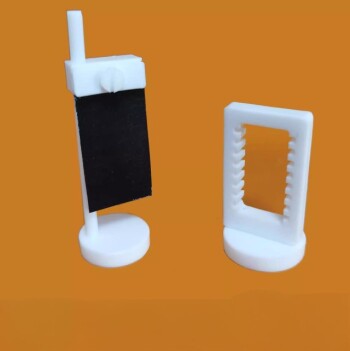
- Custom PTFE Teflon Parts Manufacturer for Hydrothermal Synthesis Reactor Polytetrafluoroethylene Carbon Paper and Carbon Cloth Nano-growth
- High Pressure Laboratory Autoclave Reactor for Hydrothermal Synthesis
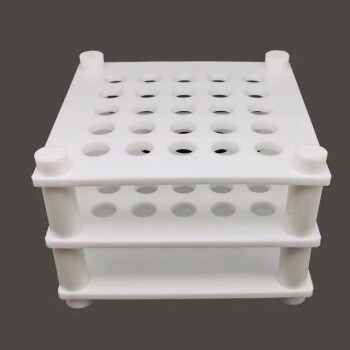
- Custom PTFE Teflon Parts Manufacturer for Centrifuge Tube Racks
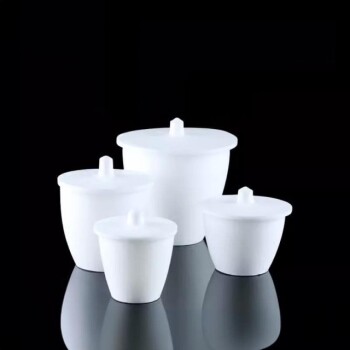
- Custom Machined and Molded PTFE Teflon Parts Manufacturer with PTFE Crucible and Lid
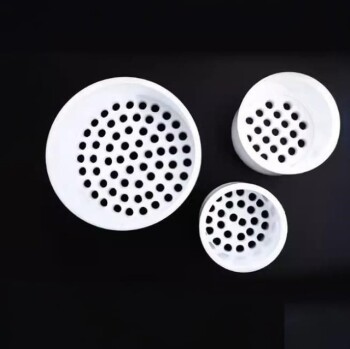
- Custom PTFE Teflon Parts Manufacturer for PTFE Mesh F4 Sieve
People Also Ask
- What is the function of a PTFE reactor in MXene etching? Ensure Safe, High-Purity MAX Phase Conversion
- Why is a PTFE reactor required for titanium-based nano-ceramic coating solutions? Ensure Chemical Inertness & Purity
- Why must a Polytetrafluoroethylene (PTFE) reactor be used for Ti3C2TX MXene etching? Ensure Safety and Purity
- Why are PTFE reactors preferred for silver phosphate glass testing? Ensure Purity and Kinetic Accuracy
- What are the advantages of using polytetrafluoroethylene (PTFE) liners in hydrothermal synthesis reactors? High Purity