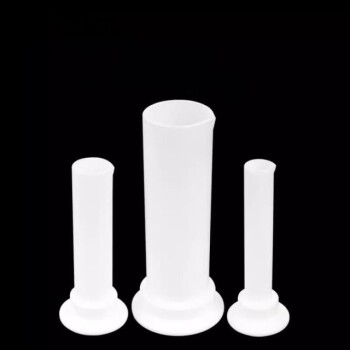
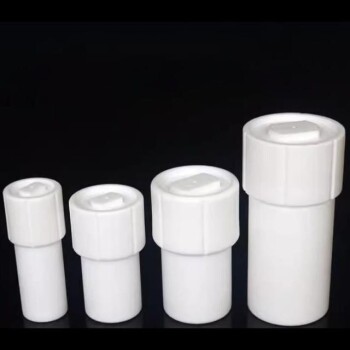
A Teflon-lined stainless steel autoclave is essential for the hydrothermal treatment of activated carbon because it creates a pressurized, high-temperature environment that facilitates deep chemical activation while protecting the equipment from corrosive reagents. This specialized vessel allows activation agents, such as potassium hydroxide (KOH), to penetrate the carbon structure at temperatures exceeding the solvent's boiling point. The combination of mechanical strength from the steel and chemical inertness from the Teflon ensures both the safety of the process and the purity of the resulting material.
The autoclave acts as a high-pressure reactor that drives the generation of pores and increases surface area by enabling aggressive chemical reactions that are impossible at atmospheric pressure. The Teflon liner serves as a critical barrier, preventing the corrosive activation environment from destroying the metal vessel or contaminating the carbon.
The Synergistic Power of High Pressure and Temperature
Driving Deep Chemical Activation
The hydrothermal method uses high temperatures (often around 200 °C) to facilitate a deep reaction between activation agents and the carbon material. In a sealed environment, these temperatures generate autogenous pressure, which forces the activation agents into the microscopic structure of the carbon more effectively than traditional methods.
Optimizing Pore Generation and Surface Area
The high-pressure environment is the primary driver for pore generation and increasing the specific surface area of the activated carbon. This "deep reaction" facilitates the transformation of the carbon framework, resulting in a more porous structure that is highly valued in filtration and energy storage applications.
The Critical Role of the Teflon Liner
Defense Against Corrosive Environments
Hydrothermal treatment often involves strongly alkaline conditions (like KOH or NaOH) or acidic intermediates that would rapidly corrode a standard metal container. The Teflon (PTFE) lining provides exceptional chemical stability and corrosion resistance, ensuring the structural integrity of the autoclave's outer shell.
Preventing Metal Ion Contamination
Maintaining the high purity of activated carbon is vital for its performance in catalytic or electronic applications. The Teflon liner acts as an inert barrier that prevents metal ions from the stainless steel shell from leaching into the reaction mixture and contaminating the final product.
Structural Integrity via the Stainless Steel Shell
Containing Autogenous Pressure
While Teflon provides chemical resistance, it lacks the mechanical strength to withstand high internal pressures. The stainless steel outer shell provides the necessary "skeleton" to safely contain the pressures generated during the heating of solvents beyond their boiling points.
Ensuring Thermal Stability
The stainless steel casing allows for uniform heat distribution across the reaction chamber. This ensures that the precursors undergo the hydrothermal reaction at a constant temperature, which is necessary for producing a consistent morphology and stable crystal structures.
Understanding the Trade-offs and Limitations
Temperature Thresholds of PTFE
Teflon has a defined thermal limit, typically around 250 °C, above which it can soften, deform, or release toxic vapors. Users must strictly monitor the internal temperature to ensure the liner does not fail, as a compromised liner leads to immediate corrosion of the steel shell.
Challenges with Heating and Cooling Rates
Rapid temperature changes can cause the Teflon liner and the stainless steel shell to expand or contract at different rates. This differential expansion can lead to liner deformation or "collapsing," which may trap air or reagents between the liner and the shell, potentially causing equipment failure.
How to Apply This to Your Project
Selecting the Right Approach
- If your primary focus is maximizing surface area: Utilize higher hydrothermal temperatures (within the 200-220 °C range) to increase the penetration of activation agents like KOH.
- If your primary focus is material purity: Ensure the Teflon liner is inspected for scratches or pitting before every run to prevent metal ion leaching from the steel.
- If your primary focus is equipment longevity: Implement a slow cooling protocol after the reaction is complete to prevent the liner from warping or pulling away from the autoclave walls.
By balancing the mechanical strength of steel with the chemical resilience of Teflon, you can safely harness high-pressure conditions to engineer superior activated carbon structures.
Summary Table:
| Component | Primary Function | Benefit for Activated Carbon |
|---|---|---|
| Stainless Steel Shell | Mechanical Strength | Withstands high autogenous pressure for deep activation |
| Teflon (PTFE) Liner | Chemical Inertness | Prevents KOH/acid corrosion and metal contamination |
| System Synergy | Pressurized Reactor | Maximizes pore generation and specific surface area |
Elevate Your Material Research with KINTEK
Achieve superior pore structure and material purity with KINTEK’s high-performance high-temperature high-pressure reactors and autoclaves. Specifically designed for demanding hydrothermal treatments, our equipment provides the structural integrity and chemical resistance required for successful activated carbon synthesis.
As specialists in laboratory equipment, KINTEK offers a comprehensive range of tools, including PTFE products, ceramics, and crucibles, alongside advanced crushing and milling systems and cooling solutions. Whether you are optimizing energy storage materials or developing advanced filtration systems, our portfolio is built to ensure precision and reliability in every experiment.
Ready to upgrade your laboratory capabilities? Contact KINTEK today to discover the perfect solution for your high-pressure research needs!
References
- Nantikron Ngamjumrus, Chesta Ruttanapun. Two Steps for Improving Reduced Graphene Oxide/Activated Durian Shell Carbon Composite by Hydrothermal and 3-D Ball Milling Process for Symmetry Supercapacitor Device. DOI: 10.3390/en16196962
This article is also based on technical information from Kintek Solution Knowledge Base .
Related Products
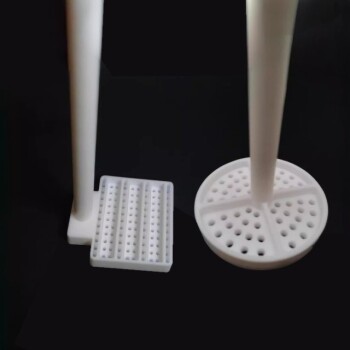
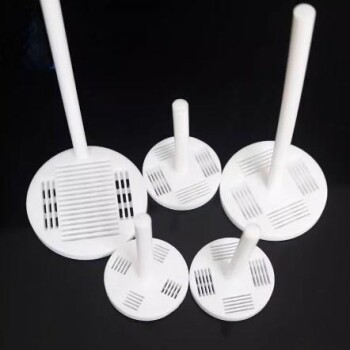
- Custom PTFE Teflon Parts Manufacturer Corrosion Resistant Cleaning Rack Flower Basket
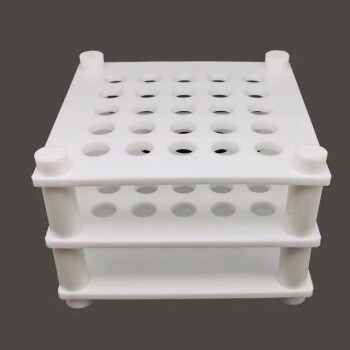
- Custom PTFE Teflon Parts Manufacturer for Centrifuge Tube Racks
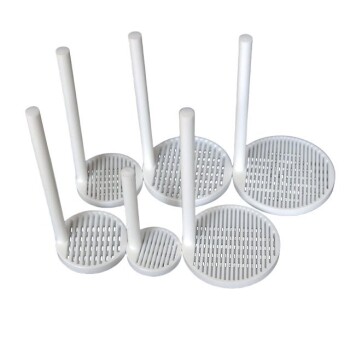
- Custom PTFE Teflon Parts Manufacturer for Cleaning Racks
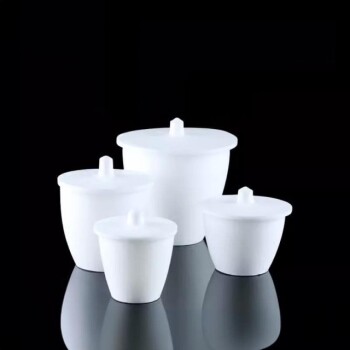
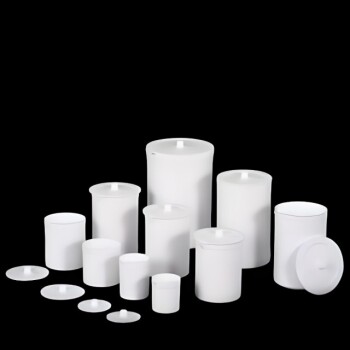
- Custom Machined and Molded PTFE Teflon Parts Manufacturer with PTFE Crucible and Lid
- Custom Machined and Molded PTFE Teflon Parts Manufacturer for Laboratory ITO FTO Conductive Glass Cleaning Flower Basket
People Also Ask
- What is the maximum operating temperature for a PTFE cleaning basket? Avoid Catastrophic Failure at 260°C
- How should a PTFE cleaning basket be stored when not in use? Maximize Lifespan & Prevent Contamination
- What is the correct way to place items into a PTFE cleaning basket? Master the Art of Perfect, Repeatable Cleaning
- What maintenance procedures are recommended for a PTFE cleaning basket? Extend Equipment Life & Ensure Process Purity
- How should a PTFE cleaning basket be cleaned and dried after use? Ensure Purity and Prevent Cross-Contamination