Suitable Materials for Casting Sputtering Targets
Metals and Alloys
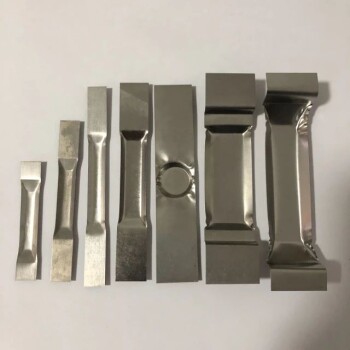
The casting method is particularly well-suited for metals and their alloys that possess low melting points and exhibit ease of casting. This method is commonly employed for materials such as aluminum, copper, tin, zinc, lead, nickel, gold, and silver. These metals and alloys are ideal candidates for casting due to their fluidity in the molten state, which allows for precise shaping and minimal porosity in the final product.
| Metal | Melting Point (°C) | Casting Ease |
|---|---|---|
| Aluminum | 660 | High |
| Copper | 1085 | High |
| Tin | 232 | High |
| Zinc | 420 | High |
| Lead | 327 | High |
| Nickel | 1455 | Moderate |
| Gold | 1064 | High |
| Silver | 962 | High |
The low melting points of these metals ensure that they can be melted efficiently, reducing energy consumption and processing time. Additionally, their ease of casting minimizes the risk of defects, such as voids and inclusions, which can compromise the integrity of the sputtering target.
In contrast, refractory metals like tungsten and molybdenum, which have significantly higher melting points, are generally not suitable for casting and are instead processed using powder metallurgy methods. This distinction highlights the importance of material properties in determining the most appropriate manufacturing technique for sputtering targets.
Refractory Metals
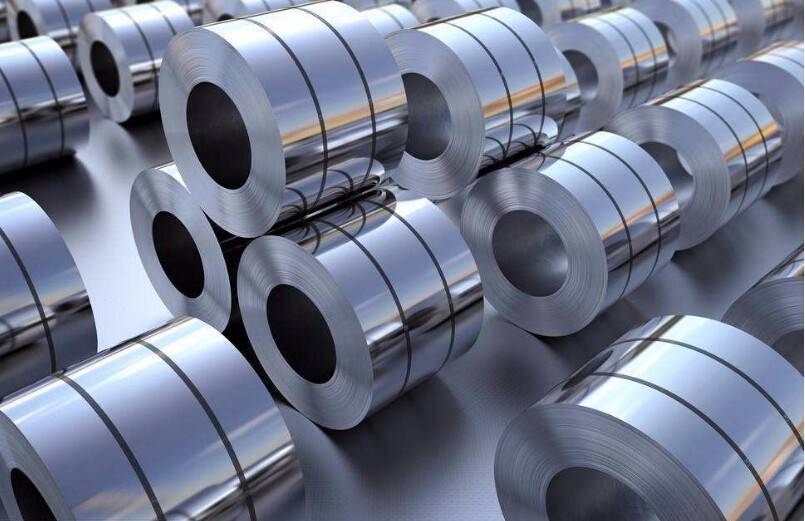
For refractory metals such as tungsten and molybdenum, the casting method is generally not employed due to their extremely high melting points and resistance to wear, corrosion, and deformation. Instead, the powder metallurgy method is preferred for these metals. This approach ensures a uniform composition and is particularly suitable for metals with very different melting points and densities.
Molybdenum, for instance, is frequently utilized in vacuum furnaces due to its cost-effectiveness compared to other refractory metals. However, it undergoes a significant increase in resistivity—approximately five times—when heated to typical operating temperatures. This necessitates adjustments in the electrical control system as the operating temperature rises.
In contrast, tungsten heating elements can withstand higher operating temperatures but are more expensive. Graphite, while less costly than metallic elements, exhibits a 20% decrease in electrical resistance when heated, offering an alternative for specific applications.
Advantages of Casting and Powder Metallurgy Methods
Casting Method Advantages
The casting method for sputtering targets offers several distinct advantages that make it a preferred choice in various industrial applications. One of the primary benefits is its ability to produce targets with low impurity content. This is crucial for ensuring high-quality coatings, as impurities can significantly affect the performance and reliability of the sputtered films. By minimizing impurities, the resulting coatings are more uniform and exhibit superior properties.
Another key advantage is the high density achieved through the casting process. High-density targets are essential for efficient sputtering, as they provide better conductivity and longer target life. The casting method allows for the creation of targets with densities that are close to the theoretical maximum, thereby enhancing the overall efficiency of the sputtering process.
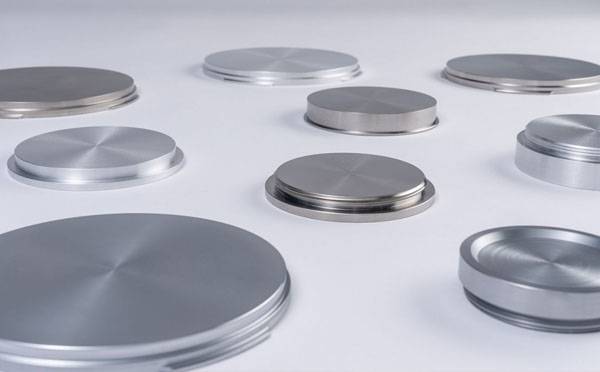
Moreover, the casting method is particularly suitable for large-size targets. This capability is invaluable in industries that require large-area coatings, such as flat panel displays and architectural glass. The ability to cast large targets in a single piece reduces the need for multiple smaller targets, which can complicate the sputtering process and lead to inconsistencies in the final coating.
| Advantage | Description |
|---|---|
| Low Impurity Content | Ensures high-quality coatings with minimal impurities. |
| High Density | Enhances sputtering efficiency and target life. |
| Suitable for Large Sizes | Ideal for large-area coatings, reducing process complexity. |
These advantages collectively contribute to the effectiveness and reliability of the casting method in producing high-performance sputtering targets.
Powder Metallurgy Method Advantages
One of the standout benefits of the powder metallurgy method is its ability to create parts with a uniform composition, which is particularly advantageous when dealing with metals that have vastly different melting points and densities. This uniformity ensures that the final product maintains consistent properties throughout, a feature that is crucial for applications in industries such as automotive and aerospace, where precision and reliability are non-negotiable.
Moreover, the powder metallurgy process excels in its ability to blend and mix various metals and nonmetals seamlessly. This flexibility allows for the creation of unique alloys and composites that would be difficult or impossible to achieve through traditional casting methods. By incorporating a binding material, powder metallurgy can produce intricate parts with complex metallurgical compositions, bypassing the need for complicated secondary processes.
The near net shape capability of powder metallurgy is another significant advantage. Parts produced using this method typically require minimal, if any, secondary processing. This near net shape production results in high dimensional accuracy, reducing waste and lowering production costs. Additionally, the process is inherently eco-friendly, with up to 97% of the material used becoming part of the final product, significantly reducing waste and environmental impact.
In terms of raw material availability, powder metallurgy benefits from the accessibility and affordability of powdered metals. Unlike some traditional methods where raw material shortages can hinder production, powder metallurgy relies on common and readily available materials. This ensures a steady supply chain and supports the scalability of production processes.
Lastly, the repeatability of the powder metallurgy process is unparalleled in mass production scenarios. Each part produced maintains precise dimensions, ensuring that every component meets the stringent requirements of its design. This consistency not only enhances the quality of the final product but also streamlines the manufacturing process, making it both efficient and cost-effective.
Process Flow of the Casting Method
Melting
Melting is a critical initial step in the casting process for sputtering targets, involving the transformation of solid metals or alloys into a liquid state. This transformation is achieved through precise heating techniques designed to maintain the integrity and purity of the material. The primary methods employed for this purpose include vacuum induction melting, vacuum arc melting, and vacuum electron bombardment melting.
Vacuum induction melting (VIM) utilizes electromagnetic induction to heat the metal, ensuring a high degree of purity by minimizing oxidation and contamination. Vacuum arc melting (VAR), on the other hand, involves creating an arc between an electrode and the metal, which melts the material while maintaining a vacuum to prevent impurities from entering the molten metal. Vacuum electron bombardment melting (VEBM) uses a beam of electrons to heat the metal, offering precise control over the melting process and further enhancing purity.
Each of these methods has its unique advantages and is chosen based on the specific requirements of the metal or alloy being processed. For instance, VIM is particularly effective for metals with low melting points, while VAR and VEBM are more suitable for refractory metals due to their ability to handle higher temperatures and maintain a high level of purity.
The choice of melting method not only affects the purity and quality of the final sputtering target but also influences subsequent processing steps, such as ingot casting and rolling, which are essential for achieving the desired dimensions and properties of the target.
Ingot Casting
Ingot casting is a critical step in the production of sputtering targets, particularly for alloys with low melting points. The process begins with the pouring of molten metal into a precisely designed mold. This mold is typically made of materials that can withstand high temperatures and provide the necessary shape and dimensions for the final product.
Once the molten metal is poured into the mold, it undergoes a controlled cooling process. This cooling is essential for the metal to solidify into the desired ingot form. The solidification process not only ensures the structural integrity of the ingot but also influences its final properties, such as density and grain structure.
After solidification, the ingots are carefully removed from the molds. This step requires precision to avoid any damage to the delicate surface of the ingots. Subsequently, the ingots undergo cleaning and surface preparation. These steps are crucial to remove any residual mold materials and to prepare the ingot surface for subsequent processing, such as rolling or further mechanical treatment.
Ingot casting is particularly advantageous for producing small volumes of specific alloys economically. However, it is less suitable for high-volume production of commodity steels due to lower yields compared to continuous casting methods. The versatility of ingot casting makes it a valuable technique in the arsenal of manufacturing processes, especially for specialized alloys and custom orders.
Rolling
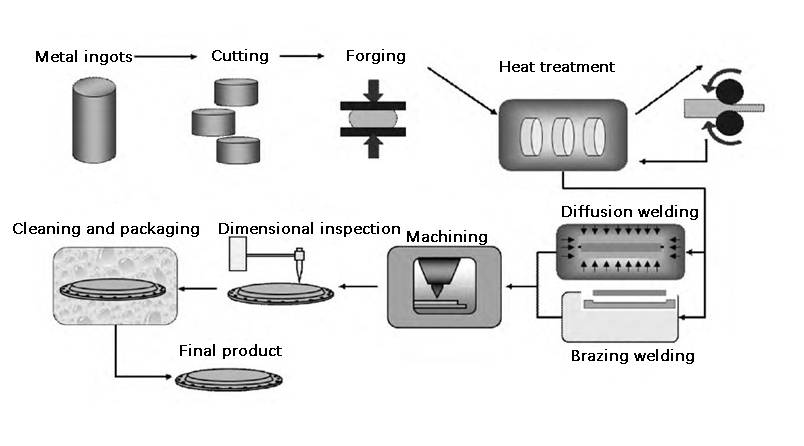
The cast ingot undergoes a critical process known as rolling, which is essential for achieving the precise thickness and dimensions required for sputtering targets. This process not only refines the physical characteristics of the material but also enhances its structural integrity. During rolling, the ingot is subjected to controlled deformation, which helps in reducing any internal voids and imperfections, thereby improving the overall density and uniformity of the target.
To achieve the desired specifications, the rolling process is meticulously controlled, ensuring that the final product meets the stringent requirements for use in sputtering applications. The rolling process is typically carried out in multiple stages, with each stage progressively reducing the thickness of the ingot while maintaining or even enhancing its uniformity. This multi-stage approach allows for the gradual alignment of the material's grain structure, which is crucial for achieving the optimal mechanical and electrical properties necessary for sputtering targets.
Moreover, the rolling process is instrumental in ensuring that the final product is free from any residual stresses that could compromise its performance. By carefully managing the deformation and temperature conditions during rolling, manufacturers can produce sputtering targets that are not only dimensionally accurate but also exhibit superior mechanical strength and uniformity. This meticulous attention to detail ensures that the rolled target is ready for the subsequent stages of the manufacturing process, including annealing and precision machining, ultimately leading to the production of high-quality sputtering targets.
Annealing
Annealing is a critical post-processing step in the manufacturing of sputtering targets, designed to refine the material's properties and structure. This process involves heating the metal to a specific temperature where its crystalline structure becomes fluid, yet the metal remains solid. This thermal treatment allows any inherent defects within the material to self-repair.
The metal is maintained at this elevated temperature for a predetermined period, enabling the necessary microstructural changes. Following this, the metal is cooled gradually to room temperature. This controlled cooling process is essential as it promotes the formation of a more ductile and stable crystalline structure, which is crucial for the target's performance in sputtering applications.
| Purpose | Description |
|---|---|
| Softening | Reduces hardness for easier machining. |
| Stress Relief | Eliminates internal stresses from casting and rolling. |
| Property Improvement | Enhances mechanical and electrical properties. |
| Dimensional Stability | Increases stability for precise sputtering operations. |
The time-temperature cycles for annealing vary significantly based on the metal's composition and the desired outcomes. Specific annealing processes such as full annealing, stress relieving, and isothermal annealing are employed to address particular needs, ensuring the sputtering target meets the stringent requirements for high-performance applications.
Mechanical Processing
Precision machining techniques play a crucial role in transforming the annealed ingot into the final sputtering target. These techniques ensure that the target meets the exacting specifications required for optimal performance in sputtering applications. The process typically involves several key steps:
-
Turning and Milling: These operations are essential for achieving the precise dimensions and flatness of the target. Turning involves the use of lathes to shape the outer diameter and inner bore, while milling ensures the flatness and smoothness of the surface.
-
Grinding: After milling, grinding is employed to further refine the surface finish. This step is critical for reducing surface roughness, which can affect the sputtering efficiency and the quality of the deposited film.
-
Lapping: For targets that require an exceptionally smooth surface, lapping is used. This technique involves the use of fine abrasives to achieve a mirror-like finish, which is particularly important in applications where high-quality thin films are necessary.
Each of these steps is meticulously controlled to ensure that the final product meets the stringent requirements of the sputtering process. The combination of these precision machining techniques results in a sputtering target that is not only dimensionally accurate but also possesses the necessary surface characteristics for efficient and effective sputtering.
Cleaning and Shipment
After undergoing a series of meticulous manufacturing processes, the sputtering target is subjected to a thorough cleaning procedure in a controlled environment. This step is crucial to ensure that the target is free from any contaminants that could affect its performance during sputtering. The cleaning process typically involves the use of specialized techniques such as ultrasonic cleaning, chemical baths, and vacuum drying to remove any residual particles or surface imperfections.
Once the target is deemed clean and ready, it is carefully packaged to prevent any damage during transit. The packaging materials are chosen for their ability to protect the target from physical impacts, moisture, and other environmental factors that could compromise its integrity. The shipment process is managed with precision, ensuring that the target reaches its destination in optimal condition, ready for immediate integration into the sputtering system.
This final stage of the process underscores the importance of maintaining the quality and purity of the sputtering target throughout its journey from production to installation, thereby guaranteeing its effectiveness in high-performance applications.
Backing Plate Considerations
When to Weld the Backing Plate
The decision to weld a backing plate to a sputtering target largely depends on the size, thickness, and intended power level of the sputtering process. For large, thin targets designed for high power sputtering, the use of a backing plate is essential. These targets, due to their size and thin profile, are more prone to warping or cracking under the intense heat and pressure generated during high power sputtering. The backing plate provides additional structural support, ensuring the target remains stable and functional throughout the process.
Conversely, small, thick targets intended for low power sputtering do not require a backing plate. These targets, being smaller and thicker, can withstand the lower power conditions without the need for additional support. The inherent robustness of these targets makes them suitable for low power applications where the thermal and mechanical stresses are significantly reduced.
In summary, the need for a backing plate is contingent upon the specific requirements of the sputtering process, with large, thin targets for high power applications necessitating this additional support, while small, thick targets for low power applications do not.
Related Products
- Molybdenum Tungsten Tantalum Special Shape Evaporation Boat
- Hemispherical Bottom Tungsten Molybdenum Evaporation Boat
- Electron Beam Evaporation Coating Oxygen-Free Copper Crucible and Evaporation Boat
- Boron Nitride (BN) Ceramic Plate
- E Beam Crucibles Electron Gun Beam Crucible for Evaporation
Related Articles
- Understanding Evaporation Boats in Vacuum Coating
- Parameters Affecting Sputtering Effect in Magnetron Sputtering Process
- Precautions for Preparing Lead Zirconate Titanate (PZT) Film Layers by Magnetron Sputtering
- Target Material Sparking During Magnetron Sputtering Coating: Causes and Solutions
- Comprehensive Analysis of Magnetron Sputtering Targets