The short answer is: it depends entirely on your application. Quartz heating elements are not universally "better," but they are superior for tasks requiring rapid, targeted, and high-intensity heat. Their effectiveness hinges on their unique method of heat transfer: direct infrared radiation.
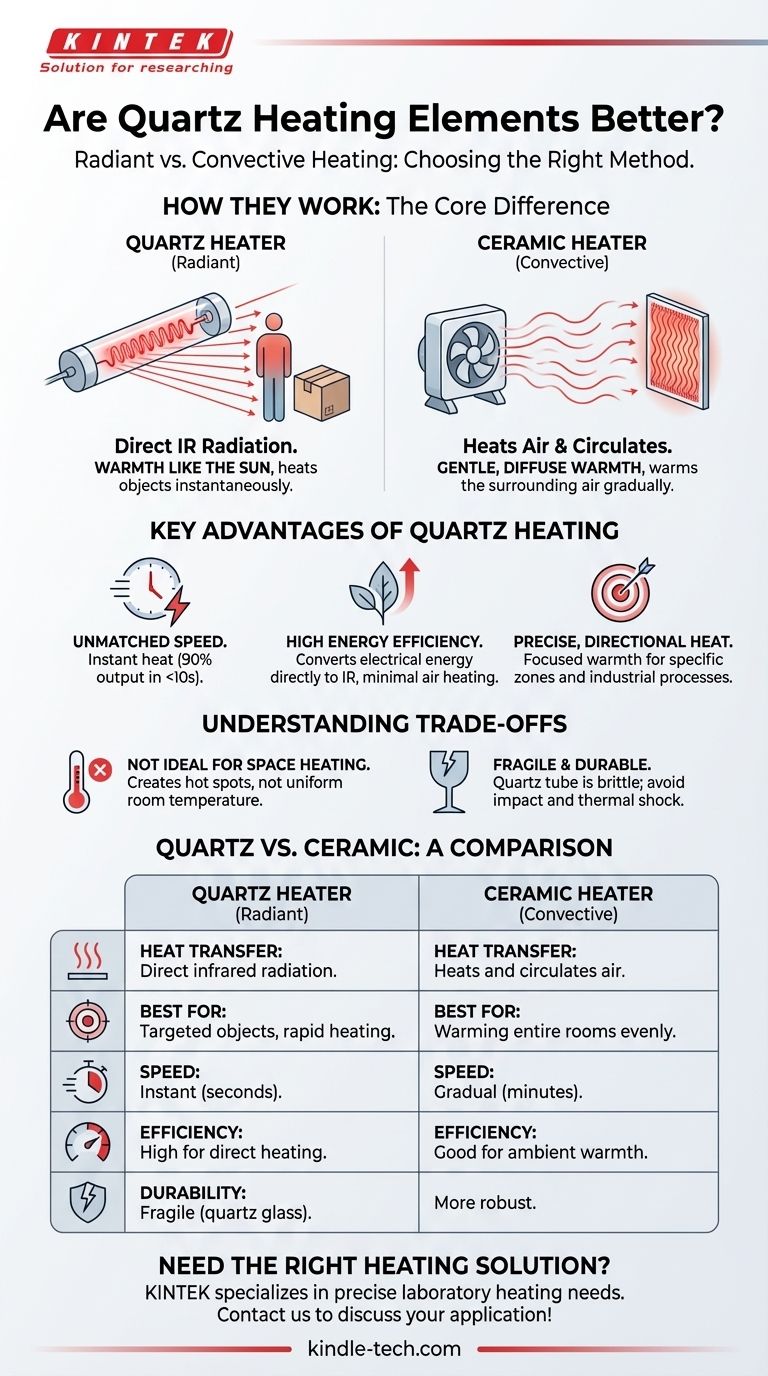
The core distinction is not about which element is "better," but which method of heat transfer is right for your goal. Quartz heaters excel at radiant heating, which warms objects directly and instantly, while many other heaters excel at convective heating, which warms the surrounding air.
How Quartz Heaters Actually Work
To understand if a quartz heater is the right choice, you must first understand its fundamental principle of operation. Unlike conventional heaters, it doesn't primarily heat the air.
The Principle of Infrared Radiation
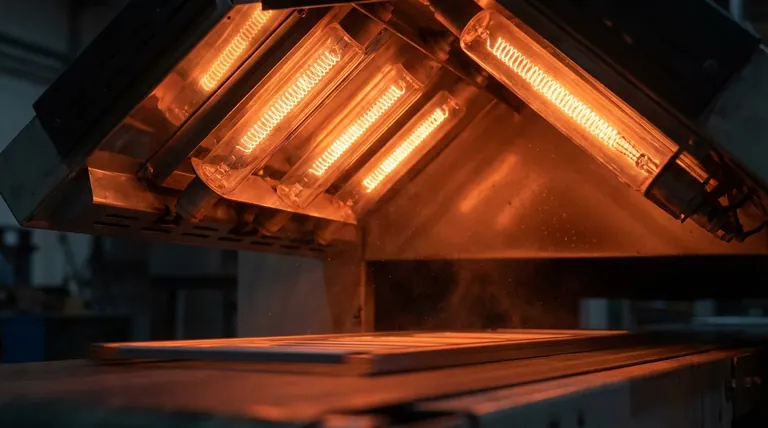
A quartz heater contains a resistance wire filament, typically tungsten or a nickel-chromium alloy, enclosed within a quartz tube. When electricity passes through the filament, it heats up to a very high temperature and emits powerful infrared (IR) energy.
This IR energy travels in straight lines, just like light. It passes through the air with minimal energy loss and only converts to heat when it strikes a solid object, such as a person, a piece of equipment, or a product on a conveyor belt.
Think of it like standing in the sun on a cold, crisp day. The air around you might be frigid, but you can feel the warmth of the sun's rays directly on your skin. This is the exact same principle.
The Role of the Quartz Tube
The quartz tube itself does not generate the heat. Its purpose is twofold: it provides a protective, inert atmosphere for the hot filament and, crucially, it is highly transparent to infrared radiation.
This transparency is key. It allows the vast majority of the IR energy to escape the element and travel to its target, making the heat transfer incredibly efficient.
Key Advantages of Quartz Heating
The radiant nature of quartz elements gives them several distinct advantages in the right context.
Unmatched Speed
Because they transfer energy via radiation at the speed of light, quartz heaters provide heat almost instantaneously. They often reach 90% of their full output in under 10 seconds. This is a stark contrast to convection heaters that must first warm up and then slowly circulate air.
High Energy Efficiency
For applications that involve heating a specific object or zone, quartz heaters are extremely efficient. Almost all the electrical energy is converted directly into IR energy that heats the target. Very little energy is wasted heating the vast volume of surrounding air.
Precise, Directional Heat
Just like a beam of light, infrared radiation can be focused and directed using reflectors. This allows you to apply intense heat exactly where it is needed, making it ideal for industrial processes like curing paint, drying materials, or thermoforming plastics.
Understanding the Trade-offs and Limitations
No technology is perfect for every scenario. The strengths of quartz heaters are also the source of their weaknesses in other applications.
Not Ideal for Space Heating
A quartz heater is generally a poor choice for raising the ambient temperature of an entire room. It creates "hot spots" where you feel intense warmth, but the moment you move out of its direct line-of-sight, you feel cold again. It does not produce a stable, uniform room temperature.
Sensitivity to Obstructions and Distance
Since the heat is delivered via line-of-sight radiation, any object that blocks the path will create a "heat shadow." The intensity of the heat also drops off significantly with distance from the element.
Fragility and Durability
The quartz tube is a form of glass, making it brittle and susceptible to breakage from physical impact or thermal shock (like being splashed with cold liquid while hot). In rugged industrial environments, more robust metal-sheathed elements are often a better choice.
Quartz vs. Ceramic: The Most Common Comparison
Many users find themselves choosing between quartz and ceramic heaters. The difference is fundamental.
Heat Transfer Method
Quartz heaters are primarily radiant. They are designed to heat objects directly and quickly.
Ceramic heaters are primarily convective. A heating element warms a ceramic plate, and a fan blows air across the plate to heat the room. They are designed to heat the air.
Heat Character
The heat from a quartz element is intense and immediate. The heat from a ceramic heater is gentle and diffuse, creating a more even and comfortable ambient warmth over time.
Making the Right Choice for Your Application
Your decision should be guided by the specific heating task you need to accomplish.
- If your primary focus is rapid, targeted heating of a specific object or zone (e.g., industrial curing, outdoor patio heating, food warming): Quartz is almost always the superior choice due to its direct infrared output and instant response.
- If your primary focus is raising the stable, ambient temperature of an enclosed room (e.g., an office, living room, or bedroom): A ceramic or other convection-based heater is the correct tool for creating consistent, comfortable warmth.
- If your primary focus is durability in a high-traffic or rugged environment: A robust metal-sheathed or heavy-duty ceramic element will likely provide a longer service life than a more fragile quartz tube.
Ultimately, understanding the fundamental difference between radiant and convective heat empowers you to select the right technology for the job.
Summary Table:
| Feature | Quartz Heater (Radiant) | Ceramic Heater (Convective) |
|---|---|---|
| Heat Transfer | Direct infrared radiation | Heats and circulates air |
| Best For | Targeted objects, rapid heating | Warming entire rooms evenly |
| Speed | Instant (seconds) | Gradual (minutes) |
| Efficiency | High for direct heating | Good for ambient warmth |
| Durability | Fragile (quartz glass) | More robust |
Need the Right Heating Solution for Your Lab or Process?
KINTEK specializes in lab equipment and consumables, serving precise laboratory heating needs. Whether you require rapid infrared heating for industrial processes or reliable ambient warmth for your workspace, our experts can help you select the ideal equipment for maximum efficiency and performance.
Contact us today to discuss your specific application and get a tailored recommendation!
Visual Guide
Related Products
- Laboratory Rapid Thermal Processing (RTP) Quartz Tube Furnace
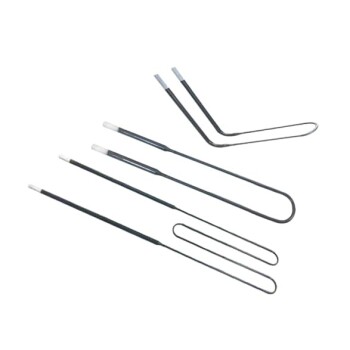
- Molybdenum Disilicide (MoSi2) Thermal Elements Electric Furnace Heating Element
- High Temperature Resistant Optical Quartz Glass Sheet
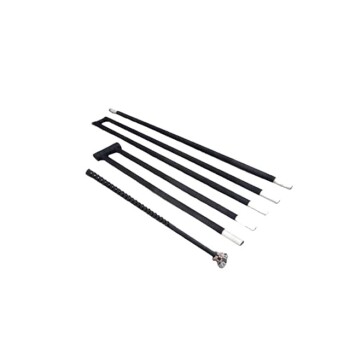
- Silicon Carbide SiC Thermal Heating Elements for Electric Furnace
- Optical Window Glass Substrate Wafer Quartz Plate JGS1 JGS2 JGS3
People Also Ask
- What are the advantages of using an electric heating furnace with a quartz tube for liquid bismuth corrosion control?
- How do you clean a quartz furnace tube? Essential Steps for Peak Performance and Longevity
- What are the benefits of quartz tube? Superior Performance for High-Temp & UV Applications
- How does a quartz tube furnace facilitate the synthesis of rGO? Optimize Your Cathode Matrix with Precise Pyrolysis
- What role does a quartz tube furnace play in hBN synthesis? Optimize Your Chemical Vapor Deposition Results