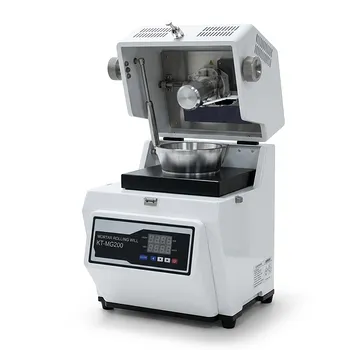
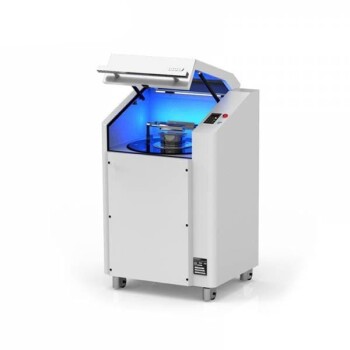
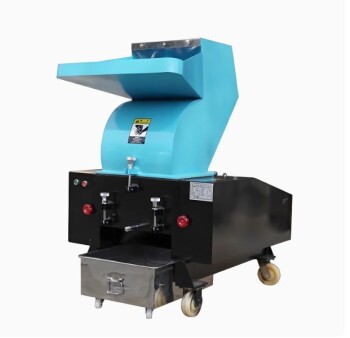
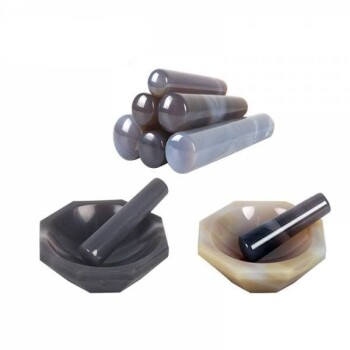
Grinding systems and the Hardgrove Grindability Index (HGI) serve as the primary validation tools to confirm the physical transformation of torrefied biomass. These metrics guide post-processing by quantifying the reduction in energy required to pulverize the material, proving its suitability for industrial applications compared to raw feedstock.
Torrefaction fundamentally alters biomass by destroying its fibrous structure, resulting in a brittle material that is significantly easier to process. HGI testing measures this change, demonstrating that torrefied biomass can be integrated into existing coal infrastructure with optimized energy efficiency.
The Physical Transformation of Biomass
Destroying Fibrous Integrity
Raw biomass naturally possesses a fibrous, resilient structure that resists mechanical processing. The torrefaction process effectively destroys this fibrous network.
Increasing Material Brittleness
As the fibrous structure degrades, the biomass becomes significantly more brittle. This physical shift is the prerequisite for efficient downstream processing.
The Role of HGI and Grinding Systems
Quantifying Energy Requirements
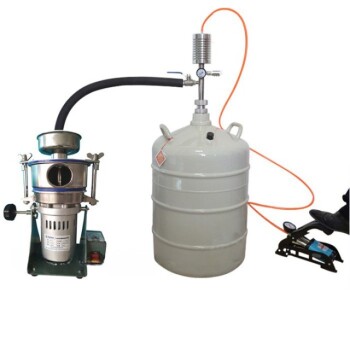
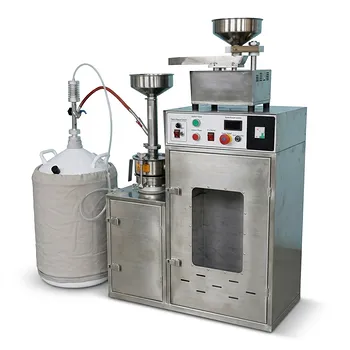
Grinding systems provide empirical data on the power needed to reduce particle size. HGI evaluations are used to benchmark this grindability against a standard.
Demonstrating Efficiency Gains
Testing reveals that torrefied biomass requires significantly less energy for pulverization than its raw counterparts. This reduction is critical for improving the overall energy output ratio of the fuel.
Industrial Application and Integration
Enabling Co-firing Capability
Because the material is brittle and easy to grind, it acts similarly to coal. This allows for direct use in industrial pulverized coal boilers without major equipment modifications.
Optimizing Gasification
The improved grindability also facilitates efficient conversion in gasifiers. High-quality feedstock preparation ensures consistent operation and better energy recovery.
Understanding the Trade-offs
Process Energy vs. Grinding Savings
While grinding energy is reduced, the torrefaction process itself consumes energy. You must ensure the energy saved in pulverization justifies the energy expenditure required to torrefy the raw material.
Reliance on Physical State
The benefits of improved grindability are entirely dependent on the success of the fibrous destruction. If the torrefaction is incomplete, the HGI scores will not improve, and the energy savings in the grinding phase will be lost.
Making the Right Choice for Your Goal
- If your primary focus is Co-firing with Coal: Prioritize high HGI scores to ensure the biomass behaves like coal in your existing pulverizers.
- If your primary focus is Net Energy Efficiency: Calculate the "overall energy output ratio," balancing the energy cost of torrefaction against the savings in the grinding stage.
Accurate testing ensures your processed biomass delivers the necessary efficiency for industrial scale-up.
Summary Table:
| Metric / Factor | Impact of Torrefaction | Benefit for Post-Processing |
|---|---|---|
| Fibrous Structure | Destruction of resilient fibers | Reduced resistance to mechanical grinding |
| Material State | Shift from ductile to brittle | Enables coal-like pulverization behavior |
| HGI Score | Significant increase in HGI | Easier integration into coal infrastructure |
| Energy Demand | Lower pulverization power | Improved net energy output for the facility |
| Application | Enhanced consistency | Optimized feed for gasifiers and boilers |
Maximize Your Biomass Potential with KINTEK Precision
Transitioning from raw biomass to high-efficiency industrial fuel requires the right tools. KINTEK specializes in high-performance laboratory equipment, providing the crushing and milling systems, sieving equipment, and pellet presses essential for validating your torrefaction results. Whether you are benchmarking HGI scores for coal co-firing or optimizing net energy efficiency for large-scale gasification, our robust technology ensures your materials meet the most rigorous industrial standards.
Take control of your material processing today. Contact KINTEK for expert solutions and specialized equipment to streamline your laboratory and production workflows.
References
- Ping Fa Chiang, Abdulmoseen Segun Giwa. Effectiveness of Torrefaction By-Products as Additive in Vacuum Blackwater under Anaerobic Digestion and Economic Significance. DOI: 10.3390/pr11123330
This article is also based on technical information from Kintek Solution Knowledge Base .
Related Products
- Small Cryogenic Grinder Cryomill Cryogrinder with Liquid Nitrogen for Laboratory Use
- Vibrating Disc Mill Small Laboratory Grinding Machine
- Laboratory Hybrid Tissue Grinding Mill
- Laboratory Disc Cup Vibratory Mill for Sample Grinding
- Laboratory High Throughput Tissue Grinding Mill Grinder
People Also Ask
- What are the advantages of using a cryogenic grinder? Achieve Nanoscale Precision for All-Solid-State Battery Cathodes
- Why is a cryogenic grinder required for cured alkyd resin HRMAS NMR? Ensure Structural Integrity & Sample Precision
- What is the role of a cryogenic grinder in PET recycling? Transform Waste into High-Reactive Micron Powders
- What is cryogenic grinding of crumb rubber? Achieve Fine, High-Quality Rubber Powder
- What food is cryogenic grinding? The Ultimate Guide to Preserving Flavor & Aroma