Knowledge Why are PTFE laboratory consumables required when testing stainless steel against organic acids? Ensure Data Integrity
Author avatar

Tech Team · Kintek Solution

Updated 1 day ago

Why are PTFE laboratory consumables required when testing stainless steel against organic acids? Ensure Data Integrity


Reliability in corrosion testing hinges on eliminating variables. Polytetrafluoroethylene (PTFE) is required for testing stainless steel against aggressive organic acids because of its extreme chemical inertness and temperature resistance. Unlike standard plastics or silicate glass, PTFE does not degrade or release impurity ions when exposed to highly reductive agents like formic or acetic acid, ensuring the test environment remains uncontaminated.

Core Takeaway The validity of a corrosion test depends on isolating the interaction between the metal and the acid. PTFE eliminates the risk of the container itself influencing the results, ensuring that any measured corrosion is caused solely by the organic acid, not by leached impurities or container degradation.

The Science of Chemical Inertness

Resisting Reductive Environments

Organic acids such as formic and acetic acid act as highly reductive agents, particularly at high concentrations or elevated temperatures.

Standard laboratory materials often lack the chemical bonds necessary to withstand this aggression. PTFE, however, possesses a unique molecular structure that renders it virtually immune to chemical attack from these specific acids.

Preventing Ionic Contamination

A critical failure mode in corrosion testing is the introduction of impurity ions into the test solution.

Certain types of glass can leach silicates, and standard plastics may release plasticizers or fillers when stressed. PTFE remains stable, preventing these foreign ions from entering the solution and accelerating or inhibiting the corrosion process artificially.

Establishing Experimental Integrity

Isolating the Variable

The primary goal of testing stainless steel is to determine its specific resistance to a known corrosive medium.

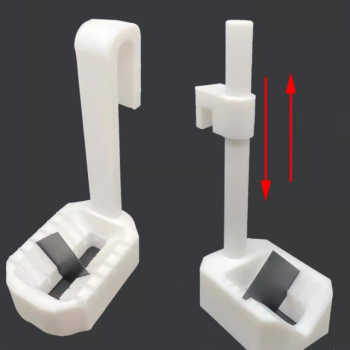
By using PTFE for linings, seals, and fixtures, you create a neutral background. This ensures the data reflects only the interaction between the stainless steel surface and the acid, rather than an interaction between the acid and the test vessel.

Handling Thermal Stress

Corrosion tests regarding organic acids are frequently conducted at elevated temperatures to simulate harsh processing conditions.

PTFE maintains its structural and chemical integrity under heat. This prevents the physical deformation or chemical breakdown that would otherwise compromise the test setup during long-duration thermal exposure.

The Risks of Material Substitution

The Consequence of Standard Glass

Using standard laboratory glass in these specific tests introduces a significant margin of error.

Because glass can react slightly with certain aggressive environments or leach ions, it introduces a chemical interference that casts doubt on the precision of the corrosion rate calculation.

The Problem with Lower-Grade Plastics

Substituting PTFE with cheaper polymers (like PVC or standard PE) often leads to material degradation.

This not only risks a leak or vessel failure but also changes the chemistry of the acid solution, rendering the final corrosion data invalid and non-reproducible.

Ensuring Valid Test Results

To guarantee the accuracy of your material selection process, apply these guidelines to your testing protocol:

  • If your primary focus is data precision: Mandate the use of PTFE for all wetted components (liners, gaskets, and holders) to eliminate chemical noise.
  • If your primary focus is high-temperature testing: Rely on PTFE fixtures to maintain dimensional stability and inertness throughout the heating cycle.

By utilizing PTFE, you transform the test container from a variable into a constant, safeguarding the credibility of your stainless steel performance data.

Summary Table:

Feature PTFE (Polytetrafluoroethylene) Standard Plastics/Glass
Chemical Inertness Extreme; resistant to reductive organic acids Prone to degradation or leaching
Contamination Risk Zero; no release of impurity ions or fillers High; leaches silicates or plasticizers
Thermal Stability Maintains integrity at high temperatures May deform or breakdown chemically
Data Reliability High; isolates the metal-acid interaction Low; introduces experimental variables

Elevate Your Material Testing Precision with KINTEK

Don't let container degradation compromise your laboratory data. KINTEK specializes in high-performance laboratory equipment and consumables designed for the most demanding environments. Whether you are testing stainless steel against aggressive organic acids or conducting high-temperature research, our premium PTFE products, ceramics, and crucibles ensure your experimental environment remains a constant, never a variable.

From high-temperature furnaces and reactors to specialized battery research tools and cooling solutions, KINTEK provides the comprehensive toolkit needed by researchers and quality control professionals.

Ready to eliminate chemical noise and secure reproducible results?

Contact KINTEK Today to Consult with Our Experts

Related Products

People Also Ask

Related Products

Custom PTFE Teflon Parts Manufacturer PTFE Beaker and Lids

Custom PTFE Teflon Parts Manufacturer PTFE Beaker and Lids

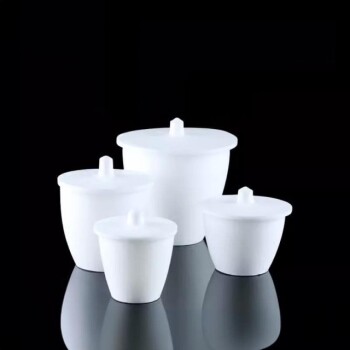
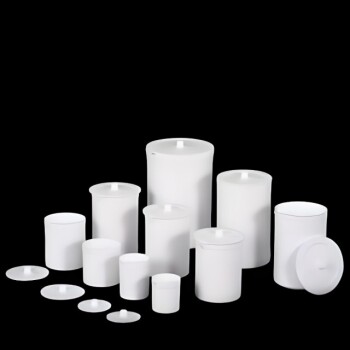
The PTFE beaker is a laboratory container that is resistant to acid, alkali, high and low temperatures and is suitable for temperatures ranging from -200ºC to +250ºC. This beaker has excellent chemical stability and is widely used for heat treatment samples and volume analysis.

Custom PTFE Teflon Parts Manufacturer F4 Conical Flask Triangular Flask 50 100 250ml

Custom PTFE Teflon Parts Manufacturer F4 Conical Flask Triangular Flask 50 100 250ml

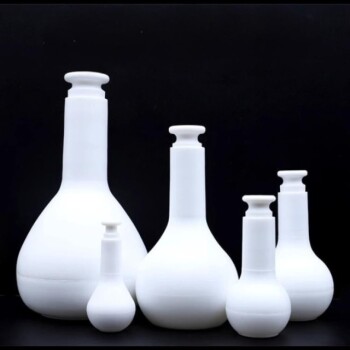
The PTFE triangular flask, also known as a Teflon reagent bottle, is a robust, chemical-resistant alternative to traditional glass bottles, suitable for handling both acids and alkalis. These bottles are unbreakable, lightweight, and feature a leak-proof screw cap, making them ideal for laboratory use.

Custom PTFE Teflon Parts Manufacturer for PTFE Tweezers

Custom PTFE Teflon Parts Manufacturer for PTFE Tweezers

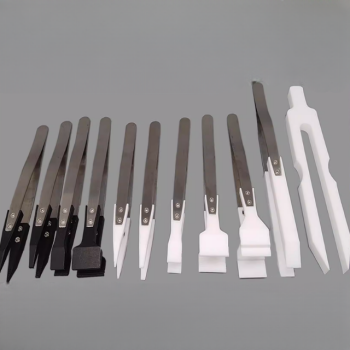
PTFE tweezers inherit the excellent physical and chemical properties of PTFE, such as high temperature resistance, cold resistance, acid and alkali resistance, and corrosion resistance to most organic solvents.

Custom PTFE Teflon Parts Manufacturer for PTFE Measuring Cylinder 10/50/100ml

Custom PTFE Teflon Parts Manufacturer for PTFE Measuring Cylinder 10/50/100ml

PTFE measuring cylinder are a rugged alternative to traditional glass cylinders. They are chemically inert over a wide temperature range (up to 260º C), have excellent corrosion resistance and maintain a low coefficient of friction, ensuring ease of use and cleaning.

Custom PTFE Teflon Parts Manufacturer for Magnetic Stirring Bar

Custom PTFE Teflon Parts Manufacturer for Magnetic Stirring Bar

The PTFE magnetic stirring bar, made from high-quality PTFE, offers exceptional resistance to acids, alkalis, and organic solvents, coupled with high-temperature stability and low friction. Ideal for laboratory use, these stirring bars are compatible with standard flask ports, ensuring stability and safety during operations.

Custom PTFE Teflon Parts Manufacturer for Sampling Solution Sample and Dry Powder Spoons

Custom PTFE Teflon Parts Manufacturer for Sampling Solution Sample and Dry Powder Spoons

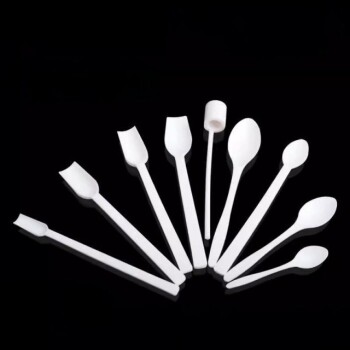
The PTFE sampling spoon, also known as a solution spoon or sample spoon, is a crucial tool for accurately introducing dry powder samples in various analytical processes. Made from PTFE, these spoons offer excellent chemical stability, corrosion resistance, and non-stick properties, making them ideal for handling delicate and reactive substances in laboratory settings.

Custom PTFE Teflon Parts Manufacturer for PTFE Mesh F4 Sieve

Custom PTFE Teflon Parts Manufacturer for PTFE Mesh F4 Sieve

PTFE mesh sieve is a specialized test sieve designed for particle analysis in various industries, featuring a non-metallic mesh woven from PTFE filament. This synthetic mesh is ideal for applications where metal contamination is a concern . PTFE sieves are crucial for maintaining the integrity of samples in sensitive environments, ensuring accurate and reliable results in particle size distribution analysis.

Custom PTFE Teflon Parts Manufacturer for Hydrothermal Synthesis Reactor Polytetrafluoroethylene Carbon Paper and Carbon Cloth Nano-growth

Custom PTFE Teflon Parts Manufacturer for Hydrothermal Synthesis Reactor Polytetrafluoroethylene Carbon Paper and Carbon Cloth Nano-growth

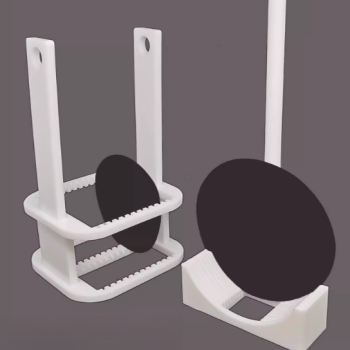
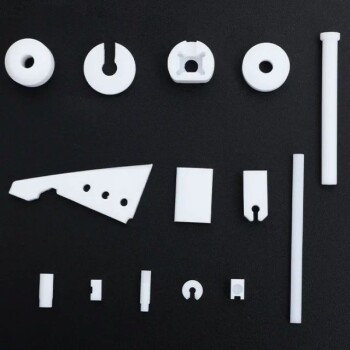
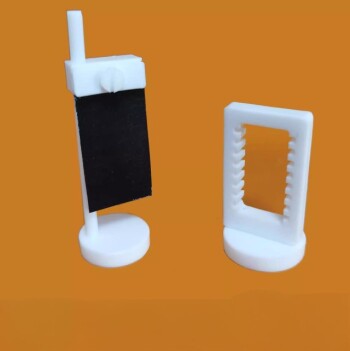
Acid and alkali resistant polytetrafluoroethylene experimental fixtures meet different requirements. The material is made of brand new polytetrafluoroethylene material, which has excellent chemical stability, corrosion resistance, airtightness, high lubricity and non-stickiness, electrical corrosion and good anti-aging ability, and can work for a long time at temperatures from -180℃ to +250℃.

Custom PTFE Teflon Parts Manufacturer for Air Valve Applications

Custom PTFE Teflon Parts Manufacturer for Air Valve Applications

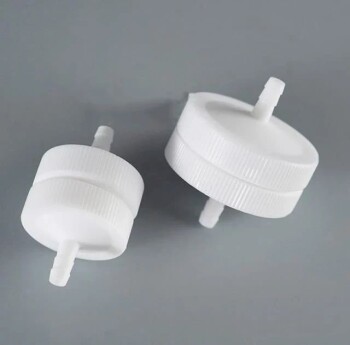
PTFE small air valve for gas-liquid sampling and sampling bag for sample collection.

Custom PTFE Teflon Parts Manufacturer Grinding Bowl

Custom PTFE Teflon Parts Manufacturer Grinding Bowl

PTFE is renowned for its exceptional chemical resistance, thermal stability, and low friction properties, making it a versatile material in various industries. The PTFE grinding bowl, specifically, finds applications where these properties are crucial.

Custom PTFE Teflon Parts Manufacturer for Acid and Alkali Resistant Chemical Powder Material Scoops

Custom PTFE Teflon Parts Manufacturer for Acid and Alkali Resistant Chemical Powder Material Scoops

Known for its excellent thermal stability, chemical resistance and electrical insulating properties, PTFE is a versatile thermoplastic material.

Custom PTFE Teflon Parts Manufacturer Laboratory High Temperature Mixing Paddle Mixer

Custom PTFE Teflon Parts Manufacturer Laboratory High Temperature Mixing Paddle Mixer

The PTFE mixing paddle mixer is a versatile and robust tool designed for laboratory use, particularly in environments requiring high resistance to chemicals and extreme temperatures. Crafted from high-quality PTFE, this mixer boasts several key features that enhance its functionality and durability.

Assemble Lab Cylindrical Press Mold

Assemble Lab Cylindrical Press Mold

Get reliable and precise molding with Assemble Lab Cylindrical Press Mold. Perfect for ultra-fine powder or delicate samples, widely used in material research and development.

Desktop Fast Laboratory Autoclave Sterilizer 35L 50L 90L for Lab Use

Desktop Fast Laboratory Autoclave Sterilizer 35L 50L 90L for Lab Use

The desktop fast steam sterilizer is a compact and reliable device used for rapid sterilization of medical, pharmaceutical, and research items. It efficiently sterilizes surgical instruments, glassware, medicines, and resistant materials, making it suitable for various applications.

Laboratory Sterilizer Lab Autoclave Pulsating Vacuum Desktop Steam Sterilizer

Laboratory Sterilizer Lab Autoclave Pulsating Vacuum Desktop Steam Sterilizer

The pulsating vacuum desktop steam sterilizer is a compact and reliable device used for rapid sterilization of medical, pharmaceutical, and research items.

Platinum Sheet Electrode for Laboratory and Industrial Applications

Platinum Sheet Electrode for Laboratory and Industrial Applications

Elevate your experiments with our Platinum Sheet Electrode. Crafted with quality materials, our safe and durable models can be tailored to fit your needs.

Special Shape Press Mold for Lab

Special Shape Press Mold for Lab

Discover high-pressure special shape press molds for diverse applications, from ceramics to automotive parts. Ideal for precise, efficient molding of various shapes and sizes.

Laboratory Disc Rotary Mixer for Efficient Sample Mixing and Homogenization

Laboratory Disc Rotary Mixer for Efficient Sample Mixing and Homogenization

Efficient Laboratory Disc Rotary Mixer for Precise Sample Mixing, Versatile for Various Applications, DC Motor and Microcomputer Control, Adjustable Speed and Angle.

Laboratory Oscillating Orbital Shaker

Laboratory Oscillating Orbital Shaker

Mixer-OT orbital shaker uses brushless motor, which can run for a long time. It is suitable for vibration tasks of culture dishes, flasks and beakers.

Sub-Lance Probe for Molten Steel Temperature Carbon Content Oxygen Content Measurement and Steel Sample Collection

Sub-Lance Probe for Molten Steel Temperature Carbon Content Oxygen Content Measurement and Steel Sample Collection

Optimize steelmaking with sub-lance probes for precise temperature, carbon, and oxygen measurements. Enhance efficiency and quality in real-time.


Leave Your Message