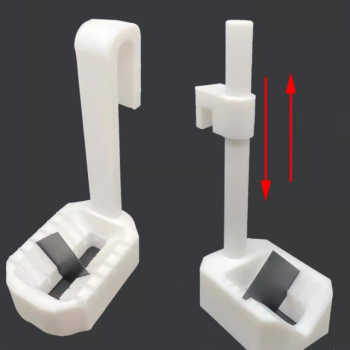
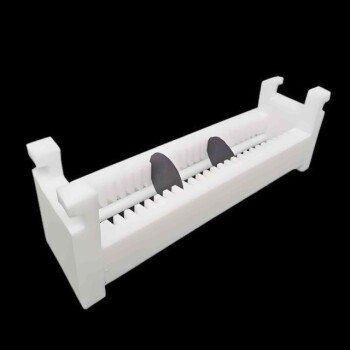
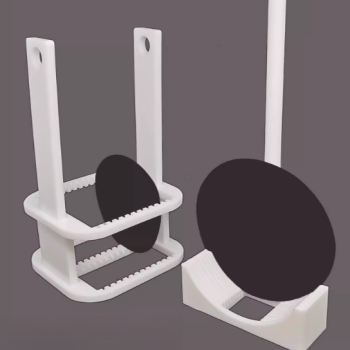
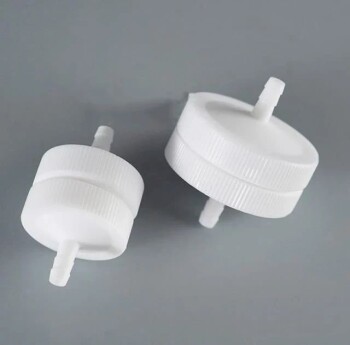
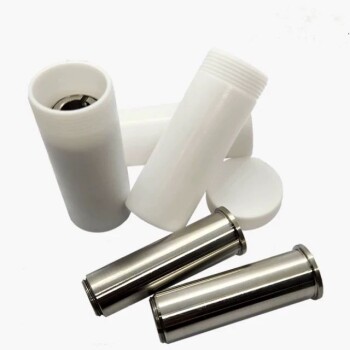
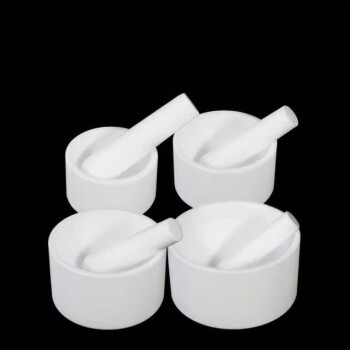
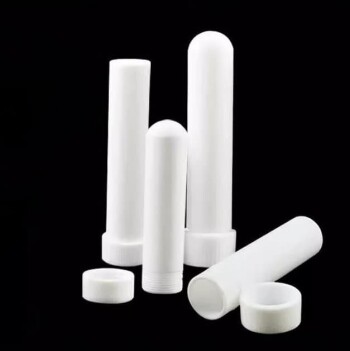
The mandatory use of Polytetrafluoroethylene (PTFE) is dictated by the specific chemical aggression Hydrofluoric Acid (HF) exhibits toward standard laboratory materials. Unlike many other acids, HF actively attacks and dissolves glass (silicates) and most ceramics, leading to rapid vessel failure and hazardous leaks. PTFE is required because it possesses exceptional chemical stability, remaining completely inert when exposed to HF solutions.
While standard glassware is suitable for most acids, HF specifically targets silicate bonds. Using PTFE is not just a preference but a safety necessity to prevent catastrophic container failure and to ensure your corrosion testing media remains free from dissolved contaminants.
The Chemistry of Material Compatibility
The Vulnerability of Glass
Standard laboratory glassware relies on silicate structures for stability. HF is unique in its ability to rapidly attack these silicates.
Using glass containers for HF results in the chemical breakdown of the vessel walls. This reaction compromises the structural integrity of the container, posing an immediate risk of leaks or shattering.
PTFE’s Chemical Stability
PTFE (often known by the brand name Teflon) provides a distinct chemical structure that resists this attack. It possesses exceptional chemical stability against corrosive agents.
Because it does not react with HF, PTFE acts as a robust barrier. It contains the acid without undergoing physical degradation or chemical alteration.
Critical Applications in Corrosion Testing
Media Preparation and Storage
When preparing corrosion media, the solution must remain stable over time. PTFE consumables are essential for mixing and storing these test solutions.
Using PTFE ensures that the concentration of the acid remains constant. It prevents the vessel from dissolving into the solution, which would otherwise alter the chemistry of your test media.
Fabrication of Test Cells
Corrosion testing often involves complex setups, such as electrochemical test cells. These cells must withstand prolonged exposure to the test environment.
PTFE is the standard material for fabricating these cells. Its inert nature ensures that the apparatus itself does not become a variable in your experiment.
Ensuring Data Integrity
Beyond safety, the use of PTFE is critical for experimental accuracy. If HF dissolves a glass container, the resulting silicates contaminate the solution.
This media contamination introduces foreign elements that can skew corrosion rates and electrochemical readings. PTFE ensures the only chemical interactions occurring are the ones you intend to measure.
Common Pitfalls to Avoid
Misjudging "Resistant" Glass
Do not assume that high-quality borosilicate glass is safe for HF. HF attacks most ceramic materials and silicates regardless of the glass grade.
Even a short exposure can etch the glass surface, weakening the vessel for future use and contaminating the current sample.
Overlooking Accessories
Ensure that all components in contact with the solution are PTFE. This includes stir bars, lids, and tubing.
Using a PTFE beaker with a glass thermometer or a ceramic stirrer will still lead to contamination and equipment damage.
Making the Right Choice for Your Goal
When handling Hydrofluoric Acid, materials selection is binary: you must use fluoropolymers like PTFE to ensure success.
- If your primary focus is Personnel Safety: Use PTFE containers to prevent vessel disintegration and hazardous acid spills during handling.
- If your primary focus is Experimental Accuracy: Use PTFE consumables to prevent dissolved silicates from contaminating your corrosion media and skewing test results.
PTFE is the only material that guarantees both the physical containment of HF and the chemical purity of your test environment.
Summary Table:
| Material Type | Compatibility with HF | Primary Risk / Benefit |
|---|---|---|
| Standard Glass/Borosilicate | Non-Compatible | Rapid silicate attack, vessel failure, and hazardous leaks |
| Ceramics & Silicates | Non-Compatible | Surface etching and chemical contamination of test media |
| PTFE (Polytetrafluoroethylene) | Fully Compatible | Exceptional chemical inertness; ensures safety and purity |
| PTFE Accessories | Mandatory | Prevents contamination from stir bars, lids, and tubing |
Protect Your Lab and Your Data with KINTEK PTFE Solutions
Handling Hydrofluoric Acid requires precision and uncompromising safety. KINTEK specializes in high-performance laboratory equipment and consumables designed for the most demanding environments.
Our comprehensive range of PTFE products, ceramics, and crucibles ensures your corrosion testing and chemical processing remain contamination-free. Whether you are conducting battery research, using high-temperature reactors, or managing complex electrochemical cells, KINTEK provides the specialized tools—from PTFE containers to hydraulic presses and cooling solutions—that target customers need for reliable results.
Don't risk equipment failure or skewed data. Contact our technical experts today to source the high-quality PTFE consumables and specialized laboratory equipment your facility deserves.
References
- Hailong Dai, Xu Chen. Recent progress on the corrosion behavior of metallic materials in HF solution. DOI: 10.1515/corrrev-2020-0101
This article is also based on technical information from Kintek Solution Knowledge Base .
Related Products
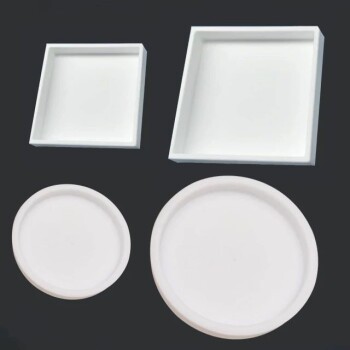
- Custom PTFE Teflon Parts Manufacturer for PTFE Containers
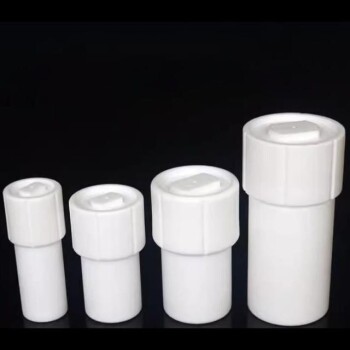
- Custom PTFE Teflon Parts Manufacturer for Microwave Digestion Tank
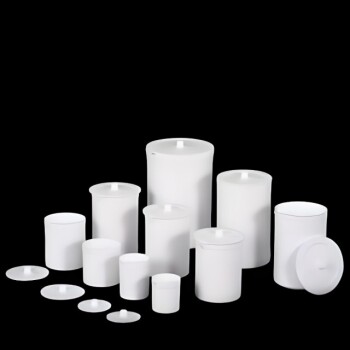
- Custom PTFE Teflon Parts Manufacturer PTFE Beaker and Lids
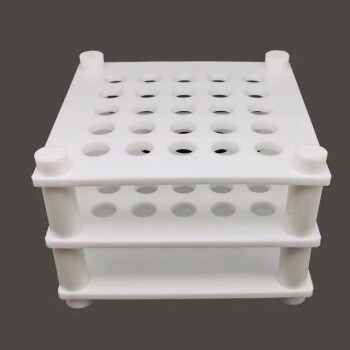
- Custom PTFE Teflon Parts Manufacturer for Centrifuge Tube Racks
- Custom PTFE Teflon Parts Manufacturer Corrosion Resistant Cleaning Rack Flower Basket
People Also Ask
- Why are PTFE containers required for PCT leaching tests? Ensure Chemical Inertness and Analytical Precision
- Why are PTFE containers necessary for selective HF etching of MAX phases? Ensure Safe & Pure MXene Synthesis
- Why is a PTFE container required for acid leaching of silicon nanosheets? Ensure High Purity and Safety
- Why are polytetrafluoroethylene (PTFE) containers essential for assessing the corrosion resistance of glassified waste?
- Why use high-quality PTFE containers for CO2 reduction electrolytes? Eliminate silicon contamination and ensure data.