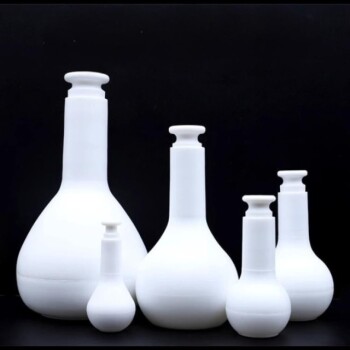
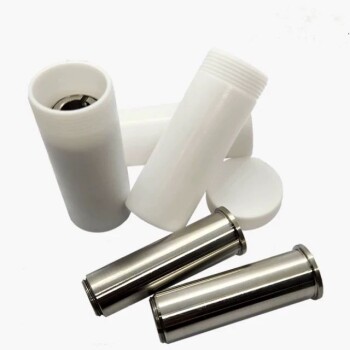
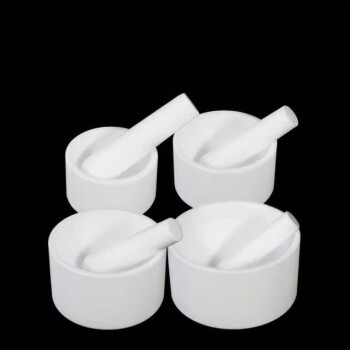
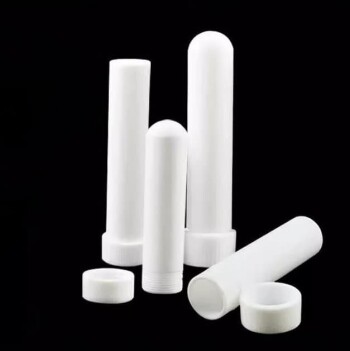
The primary recommendation for using high-quality Polytetrafluoroethylene (PTFE) containers stems from the material's chemical inertness in the presence of alkaline electrolytes. Unlike traditional glassware, PTFE prevents the leaching of silicon impurities into the solution, ensuring that experimental data reflects the true behavior of the catalyst rather than the effects of contamination.
Core Takeaway: Standard silicate glass corrodes when exposed to alkaline electrolytes like KOH, releasing silicon that bonds with and alters copper catalyst active sites. Switching to PTFE eliminates this contamination source, preserving the integrity of the alkali cations essential for accurate CO2 reduction analysis.
The Hidden Interaction Between Glass and Electrolytes
The Vulnerability of Silicate Glass
While often assumed to be inert, traditional silicate glass is chemically vulnerable to strong bases. Alkaline electrolytes, such as Potassium Hydroxide (KOH), actively corrode glass surfaces over time. This reaction breaks down the glass structure, releasing silicon (Si) into your electrolyte solution.
The Mechanism of Contamination
This is not merely a matter of debris; it is a chemical contamination. The dissolved silicon does not remain suspended harmlessly in the solution. Instead, it migrates to the catalyst, acting as a poison to the system.
Impact on Copper Catalysts
Interference with Active Sites
In CO2 reduction experiments, the surface of the copper catalyst is where the reaction occurs. Silicon impurities introduced by glass corrosion can deposit onto these surfaces. This deposition blocks or chemically alters the active sites, changing how the catalyst interacts with CO2.
Distorting Experimental Data
When active sites are compromised, the resulting data becomes unreliable. You may observe shifts in efficiency or selectivity that are actually caused by the silicon, not the catalyst design. Using PTFE ensures that the performance you measure is intrinsic to your catalyst material.
The Importance of Cation Purity
Maintaining Accurate Concentrations
Alkali cations (such as K+) are critical variables in these experiments. They have been identified as primary drivers inducing cathodic corrosion in copper catalysts. To understand this phenomenon, you must maintain precise control over the cation concentration.
Eliminating Variables
Glass corrosion alters the ionic composition of your electrolyte. This makes it difficult to isolate the specific effects of the alkali cations. PTFE containers maintain the solution’s chemical stability, allowing for a controlled environment.
Understanding the Trade-offs
Cost and Availability
High-quality PTFE labware is significantly more expensive than standard borosilicate glass. It is also less ubiquitous in general chemistry inventories, often requiring specific procurement. However, the cost of PTFE is negligible compared to the cost of wasted time and resources spent analyzing contaminated samples.
Visual Inspection Limitations
Unlike clear glass, PTFE is often opaque or translucent. This can make visual checks for precipitation or dissolution slightly more difficult. Despite this, the chemical assurance it provides outweighs the visual inconvenience.
Making the Right Choice for Your Goal
To ensure the validity of your electrochemical data, prioritize material compatibility over convenience.
- If your primary focus is rigorous mechanistic study: Use PTFE exclusively to prevent silicon interference with catalyst active sites.
- If your primary focus is long-term stability testing: Use PTFE to ensure the electrolyte concentration remains constant without leaching impurities over time.
Eliminating glass from your storage workflow is a small adjustment that removes a major source of experimental error.
Summary Table:
| Feature | Silicate Glass Containers | High-Quality PTFE Containers |
|---|---|---|
| Chemical Stability | Corrodes in alkaline electrolytes (KOH) | Chemically inert and highly stable |
| Impurity Risk | Leaches Silicon (Si) into solution | Zero leaching of structural impurities |
| Catalyst Impact | Silicon poisons copper active sites | Preserves intrinsic catalyst performance |
| Data Accuracy | High risk of distorted selectivity/efficiency | Enables precise mechanistic studies |
| Visual Clarity | Transparent for easy inspection | Opaque or translucent |
| Recommended Use | Standard non-alkaline chemistry | CO2 reduction & high-purity electrolysis |
Secure Your Experimental Precision with KINTEK
Don't let silicon contamination compromise your electrochemical breakthroughs. KINTEK provides high-performance laboratory solutions tailored for rigorous research. From high-quality PTFE products and consumables to advanced electrolytic cells and electrodes, we ensure your materials meet the highest standards of chemical inertness.
Whether you are conducting mechanistic studies or long-term stability tests, KINTEK’s comprehensive range—including high-temperature reactors, battery research tools, and precision crushing systems—is designed to eliminate variables and deliver reliable data.
Ready to upgrade your lab's integrity? Contact us today to find the perfect PTFE solutions for your research!
References
- Shikai Liu, Qian He. Alkali cation-induced cathodic corrosion in Cu electrocatalysts. DOI: 10.1038/s41467-024-49492-7
This article is also based on technical information from Kintek Solution Knowledge Base .
Related Products
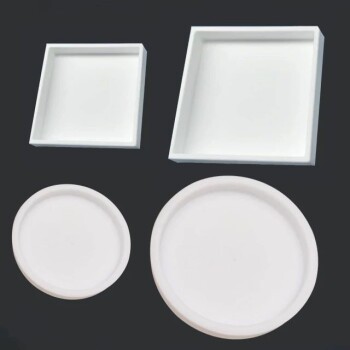
- Custom PTFE Teflon Parts Manufacturer for PTFE Containers
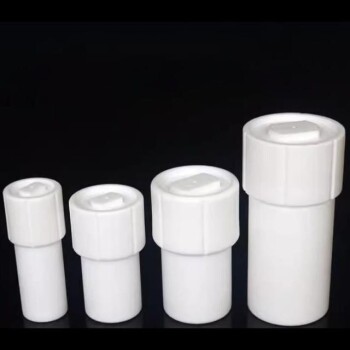
- Custom PTFE Teflon Parts Manufacturer for Microwave Digestion Tank
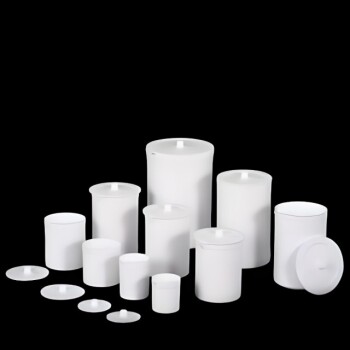
- Custom PTFE Teflon Parts Manufacturer PTFE Beaker and Lids
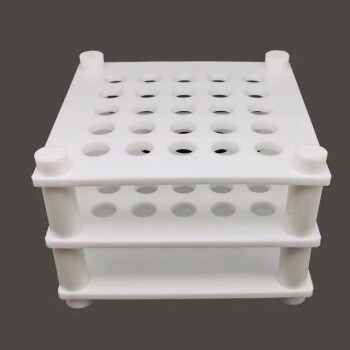
- Custom PTFE Teflon Parts Manufacturer for Centrifuge Tube Racks
- Custom PTFE Teflon Parts Manufacturer Corrosion Resistant Cleaning Rack Flower Basket
People Also Ask
- Why are PTFE containers required for PCT leaching tests? Ensure Chemical Inertness and Analytical Precision
- Why are PTFE containers necessary for selective HF etching of MAX phases? Ensure Safe & Pure MXene Synthesis
- Why is PTFE Mandatory for Hydrofluoric Acid (HF) Handling? Ensure Safety and Data Integrity in Corrosion Testing
- Why is a PTFE container required for acid leaching of silicon nanosheets? Ensure High Purity and Safety
- Why are polytetrafluoroethylene (PTFE) containers essential for assessing the corrosion resistance of glassified waste?